


From 1900s Luxury Retail to Landmark Office
A Humble Beginning
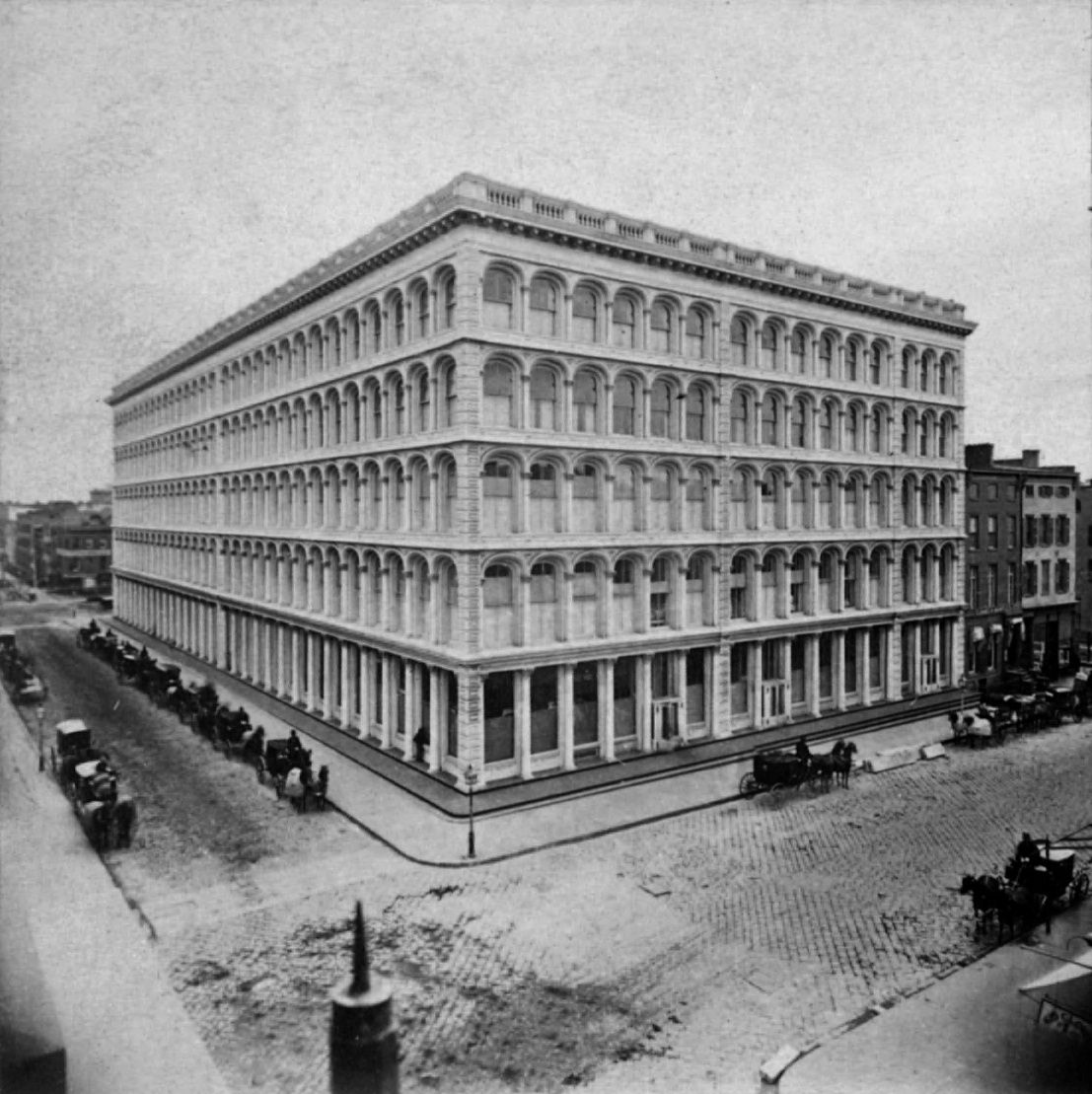
In 1846, Alexander T. Stewart built New York's first department store at 280 Broadway, completely transforming American merchandising. Stewart introduced the country to the pleasurable shopping experience and to the idea that architecture could reflect not just a retailer's identity, but the customer's own aspirations. The building's marble façades emulated an Italian Renaissance palace — a dramatic departure from New York's low-scale commercial buildings of the era, and a style imitated well into the 20th century. The building remains intact today and houses the NYC Department of Buildings.
Emergence of Ladies' Mile
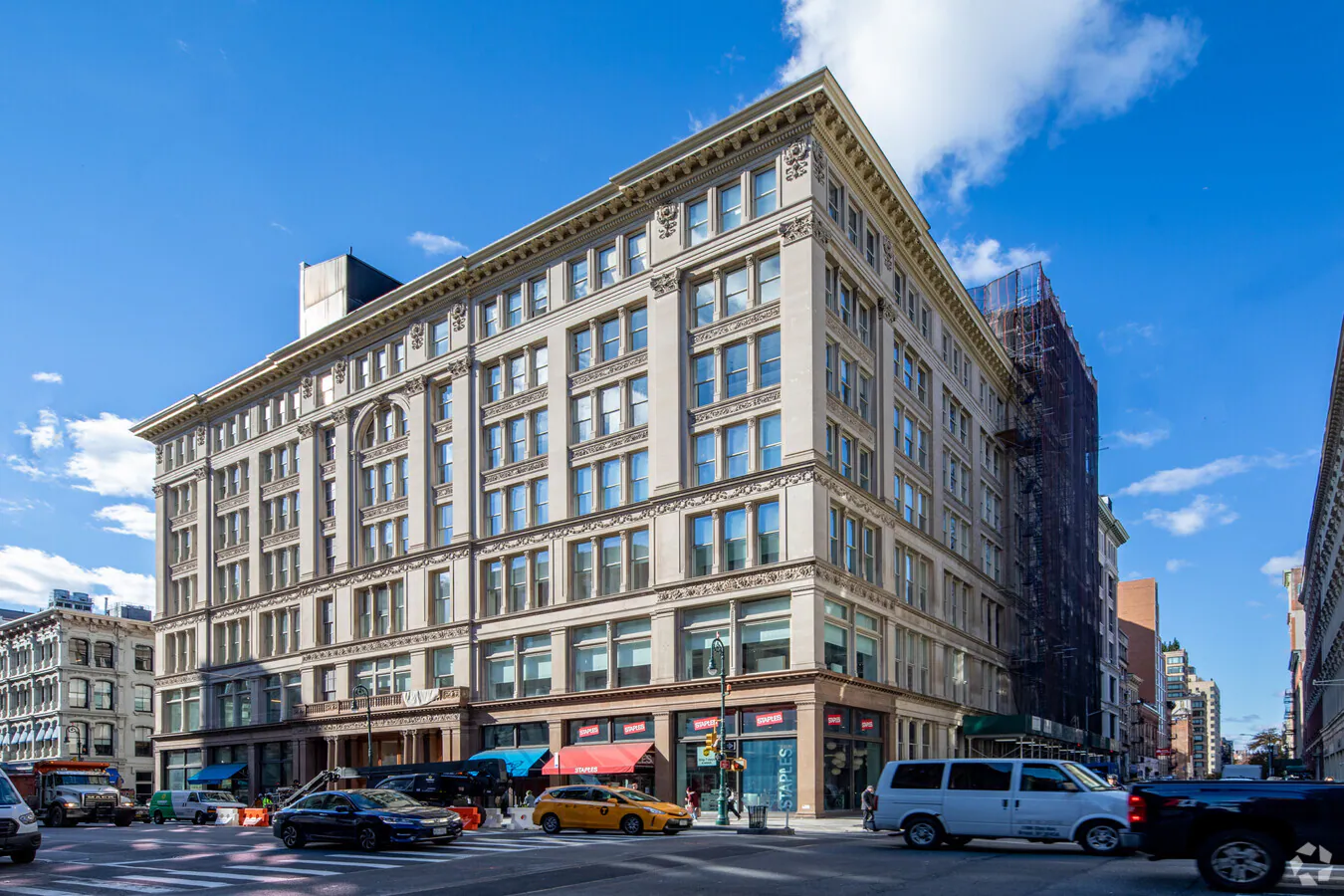
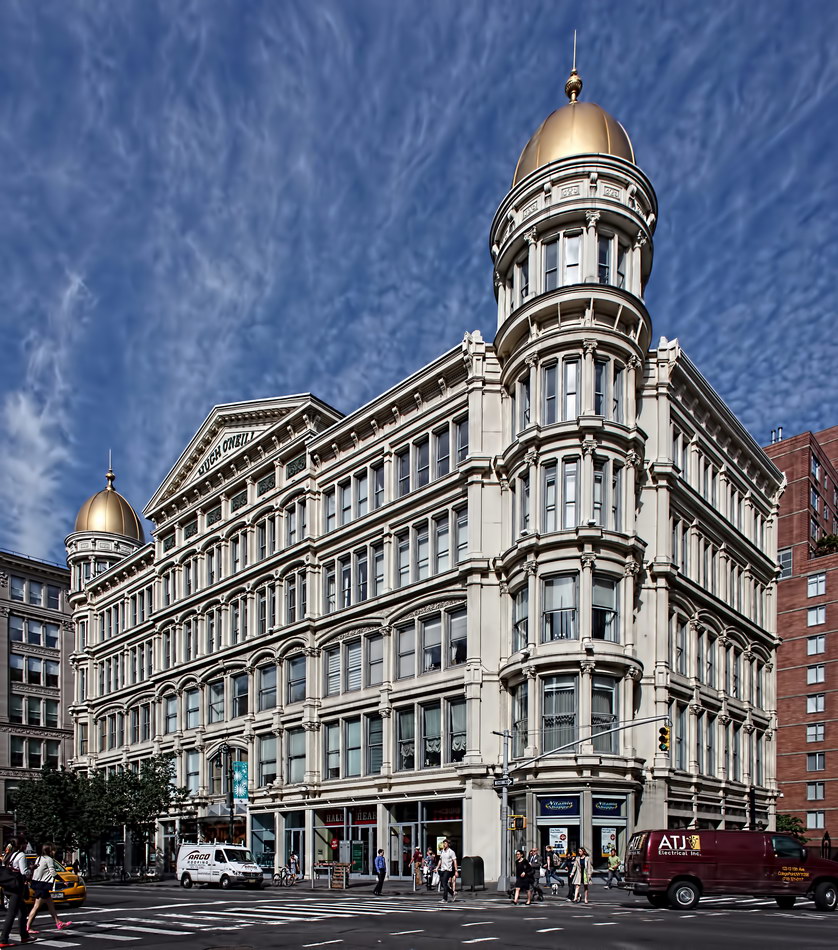
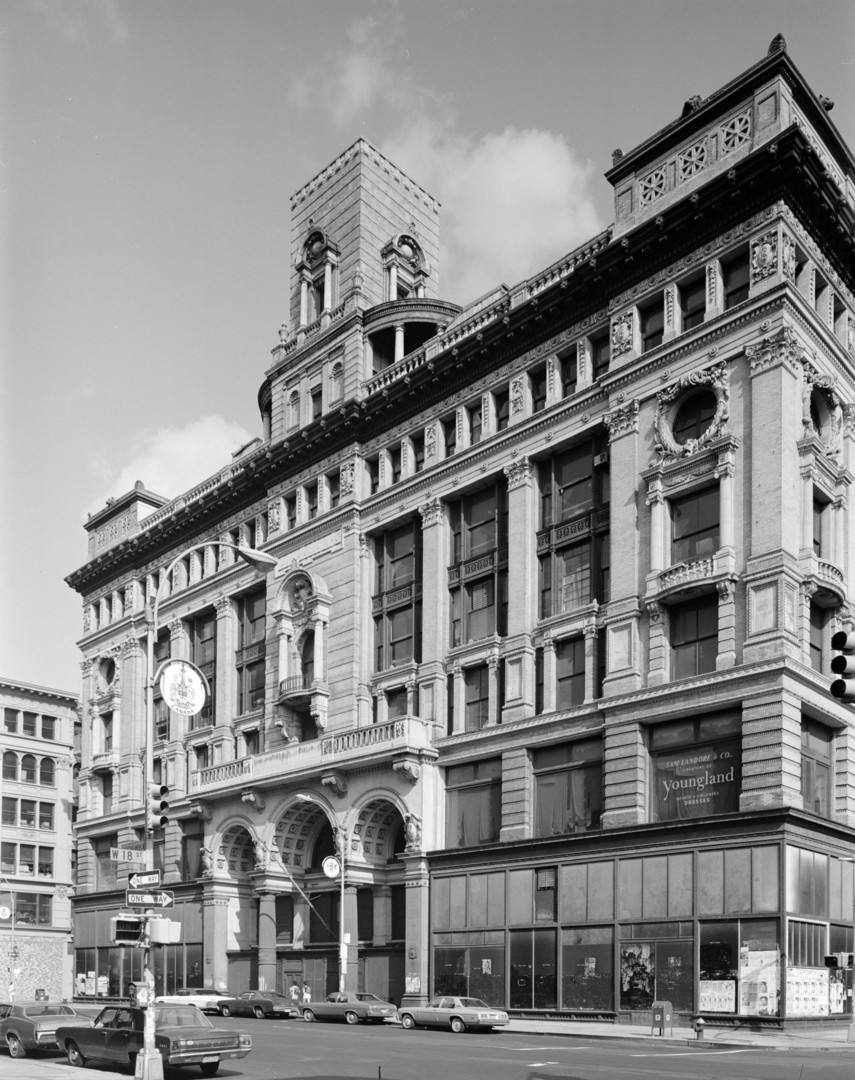
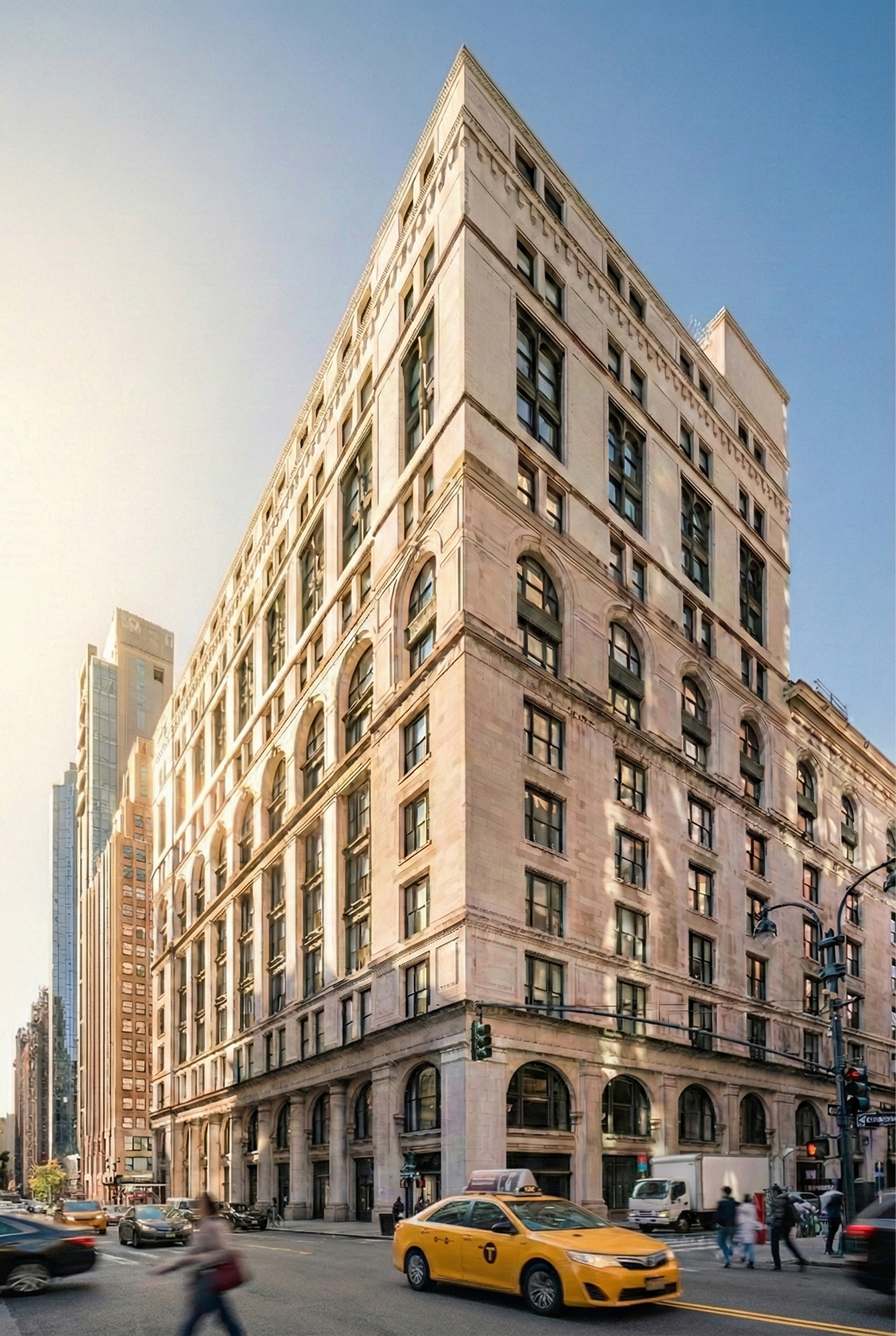
As the upper class migrated north toward Washington Square and lower Fifth Avenue, retail followed. The Ladies' Mile district — roughly between 14th and 24th Streets, from Broadway to Sixth Avenue — became the city's premier shopping destination. B. Altman & Co. moved to a grand building on Sixth Avenue between 18th and 19th Streets in 1877, the four-story site known as 625 Sixth Avenue, which stands to this day. Neighboring stores like Arnold Constable, Siegel-Cooper, Adams Dry Goods, Hugh O'Neill, and Stern Brothers all flourished here, aided by the elevated train running along Sixth Avenue.

The Leap to Fifth Avenue
Fifth Avenue at the turn of the century was not a shopping street — it was an elite residential boulevard of mansions, churches, and high-society institutions. But New York was shifting. The Sixth Avenue elevated line brought noise, shadows, and grime, pushing wealthy families further uptown: the Astors at 34th & Fifth, J.P. Morgan at Madison & 36th, the Vanderbilts at 57th & Fifth. Retail followed.
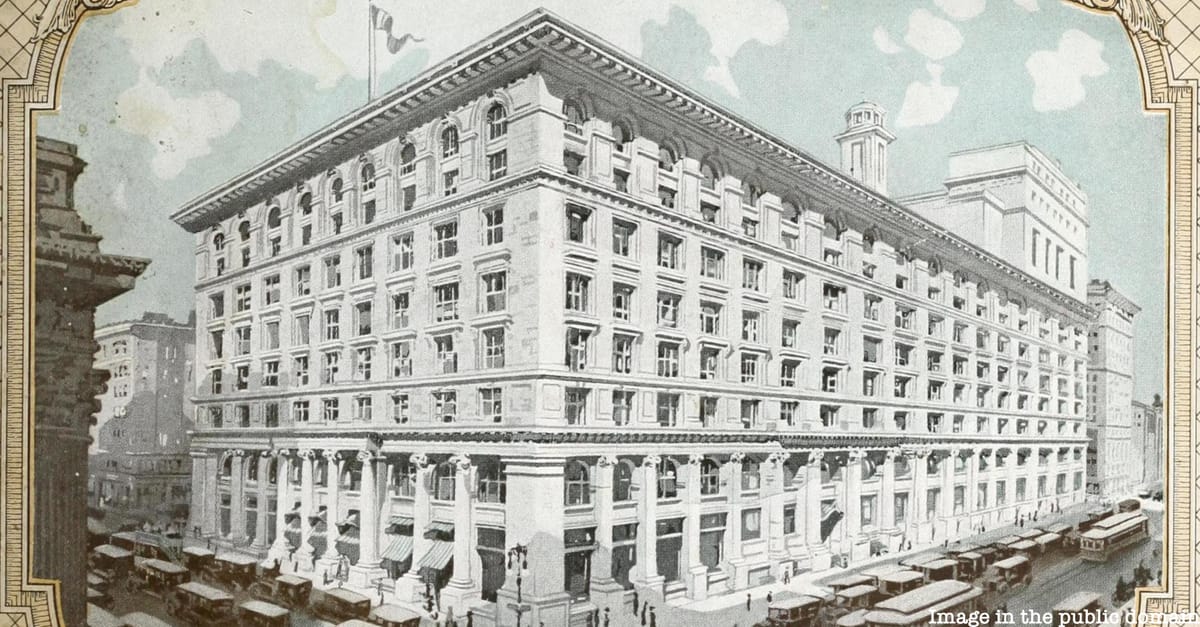
With announcements confirming the development of Pennsylvania Station (1901) and Grand Central Terminal (1903), B. Altman & Co. quietly assembled an entire Midtown block between Fifth and Madison Avenues and commissioned a bold new flagship. The architecture was deliberately restrained Beaux-Arts — grand in scale but subtle in ornamentation, designed to belong on a boulevard still in line with private residences. It was an ambitious move and one that would change Fifth Avenue forever.

Fifth Avenue’s Transformation
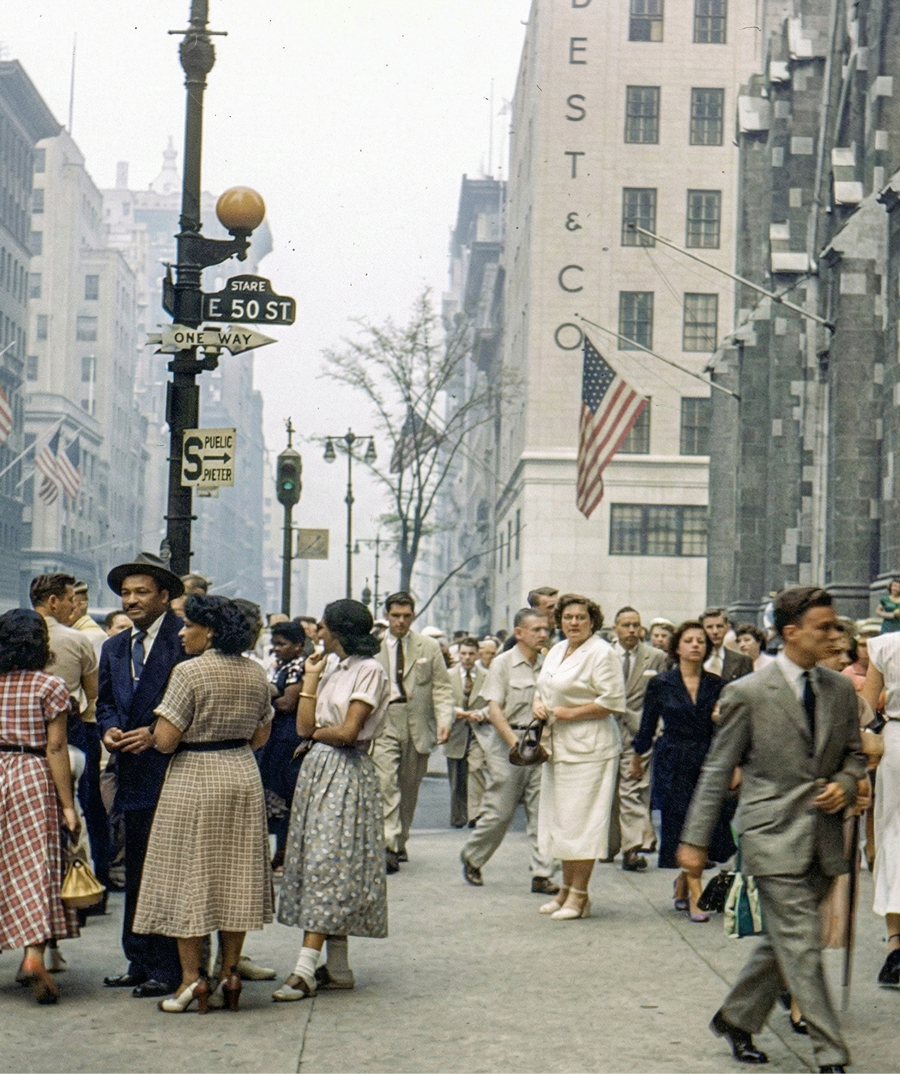
Altman's arrival helped catalyze Fifth Avenue's evolution into one of the world's great luxury shopping corridors. Other prestigious retailers followed (Lord & Taylor in 1914), Tiffany & Co (1905), Saks Fifth Avenue (1924), and the avenue's residential character gave way to the commercial grandeur it is known for today. Through decades of changing tastes and economic cycles, B. Altman & Co. remained a constant — modernizing its interiors and adapting its offerings, while the landmark limestone façade remained its defining and unchanging face to the city. For generations of New Yorkers, it was simply part of the fabric of Midtown life.
.jpg)

Landmark Status & the End of an Era
In 1985, New York City designated the building's exterior a landmark, recognizing its architectural and cultural significance. The honor came at a bittersweet moment — the golden age of the American department store was drawing to a close. B. Altman & Co., after more than a century in business, filed for bankruptcy and shuttered in 1989, leaving one of Midtown's most beloved buildings without a purpose for the first time in its history.

"B. Altman Goes Bookish"
The building sat briefly vacant before embarking on a remarkable second life. Subdivided into condominium units, it was acquired by two of the world's most distinguished literary institutions — the New York Public Library purchased an eight-floor condominium on the Madison Avenue side, with Oxford University Press contracting to buy a five-floor condominium shortly after. The New York Times captured the moment perfectly: "B. Altman Goes Bookish." A store that had once dressed New York's elite was now housing the organizations that would educate and inform them.

A $170 Million Restoration
With its new institutional tenants came a commitment to honoring the building's architectural legacy. A sweeping $170 million renovation brought the building back to its former glory — Hardy Holzman Pfeiffer led the exterior restoration while Gwathmey Siegel & Associates reconfigured the interiors. Historic details that had defined the building for nearly a century were carefully preserved and revived: the grand lobby porticoes, original bronze elevator cabs, and cast-iron staircases. It was a restoration as ambitious as the building itself.
CUNY Graduate Center Moves In
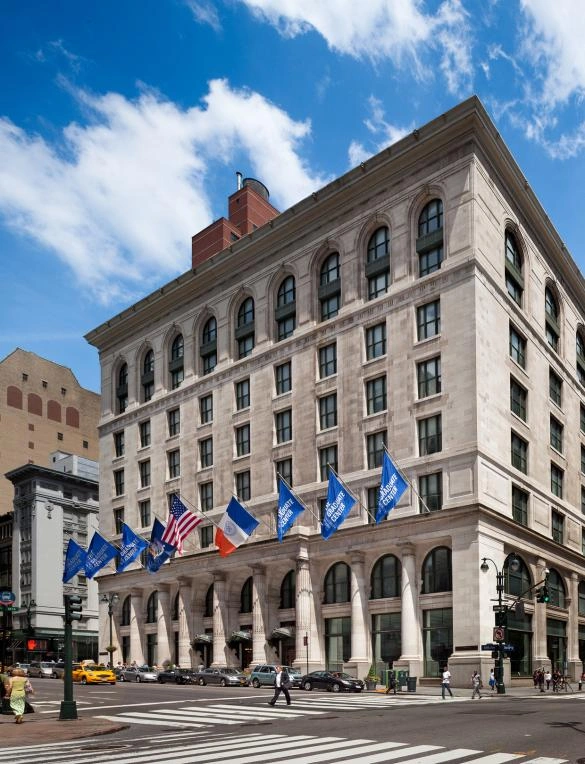
The building's academic transformation was completed when the CUNY Graduate Center relocated to 365 Fifth Avenue, making its home in what had once been one of New York's great retail palaces. The move established the building as a hub of intellectual life in Midtown, housing thousands of doctoral students across dozens of disciplines. That a landmark department store could reinvent itself as one of the city's premier academic institutions speaks to the remarkable adaptability — and enduring gravitas — of the building itself.
The B. Altman Building is Reborn
After more than a century of reinvention — from retail palace to literary landmark to academic institution — the B. Altman Building is embarking on its next chapter. The Madison Avenue portion of the building was acquired by Benchmark Properties and a group of investors with a deep passion for New York architecture, drawn by the building's extraordinary bones and its storied place in the city's history. Their vision: to honor what the building has always represented — quality, permanence, and the belief that great architecture shapes the people who inhabit it. The B. Altman Building isn't just being restored. It's being given a future worthy of its past.


Your
Landmark
Headquarters

