


City Beautiful, The defining period of New York
Influenced by planners such as Daniel Burnham (the Flatiron Building), Frederick Law Olmsted (Central Park), and the prolific firm of McKim, Mead & White (Pennsylvania Station) architects designed timeless New York sites that remain as cultural icons. Grand public spaces such as parks, train terminals, bridges, civic sites, libraries, monuments and museums all ensured an interconnected, accessible city. And commercial landmarks like hotels, theaters, office buildings, department stores and social clubs followed in the movement’s belief that great design was necessary to build on the competitive American legacy.
Below we feature a selection of some of these magnificent New York sites. The timelessness of their ideals helped shape the era, the city, and the country’s identity for all-time.
Government Landmarks
Alexander Hamilton U.S. Custom House
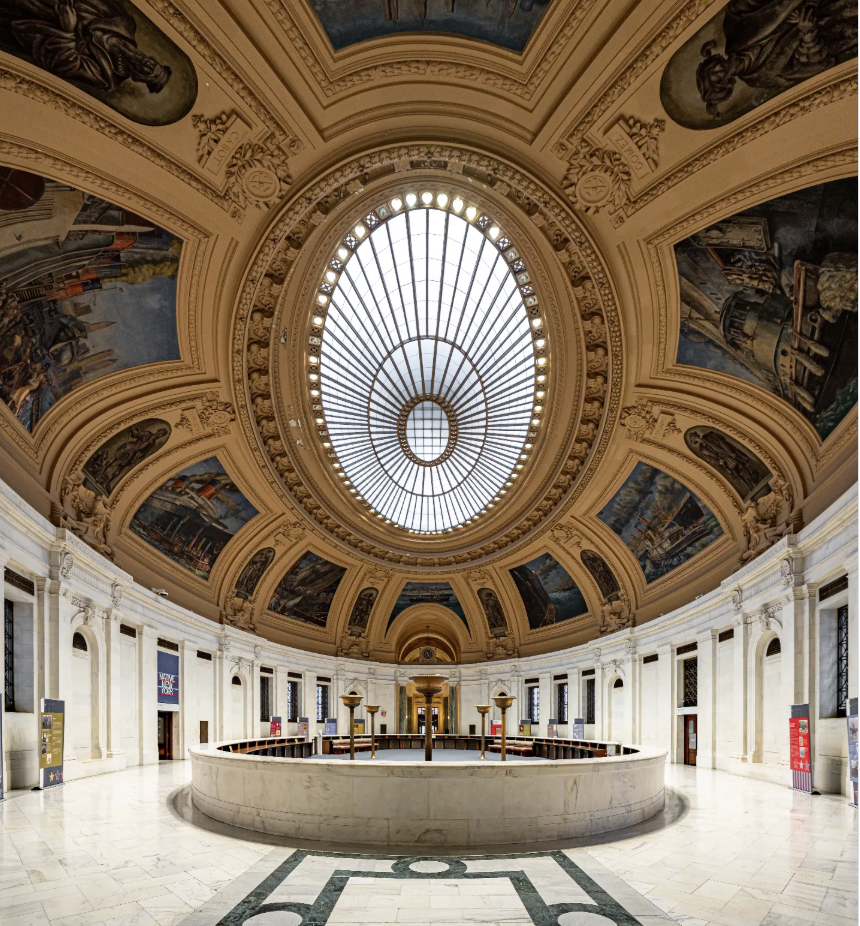
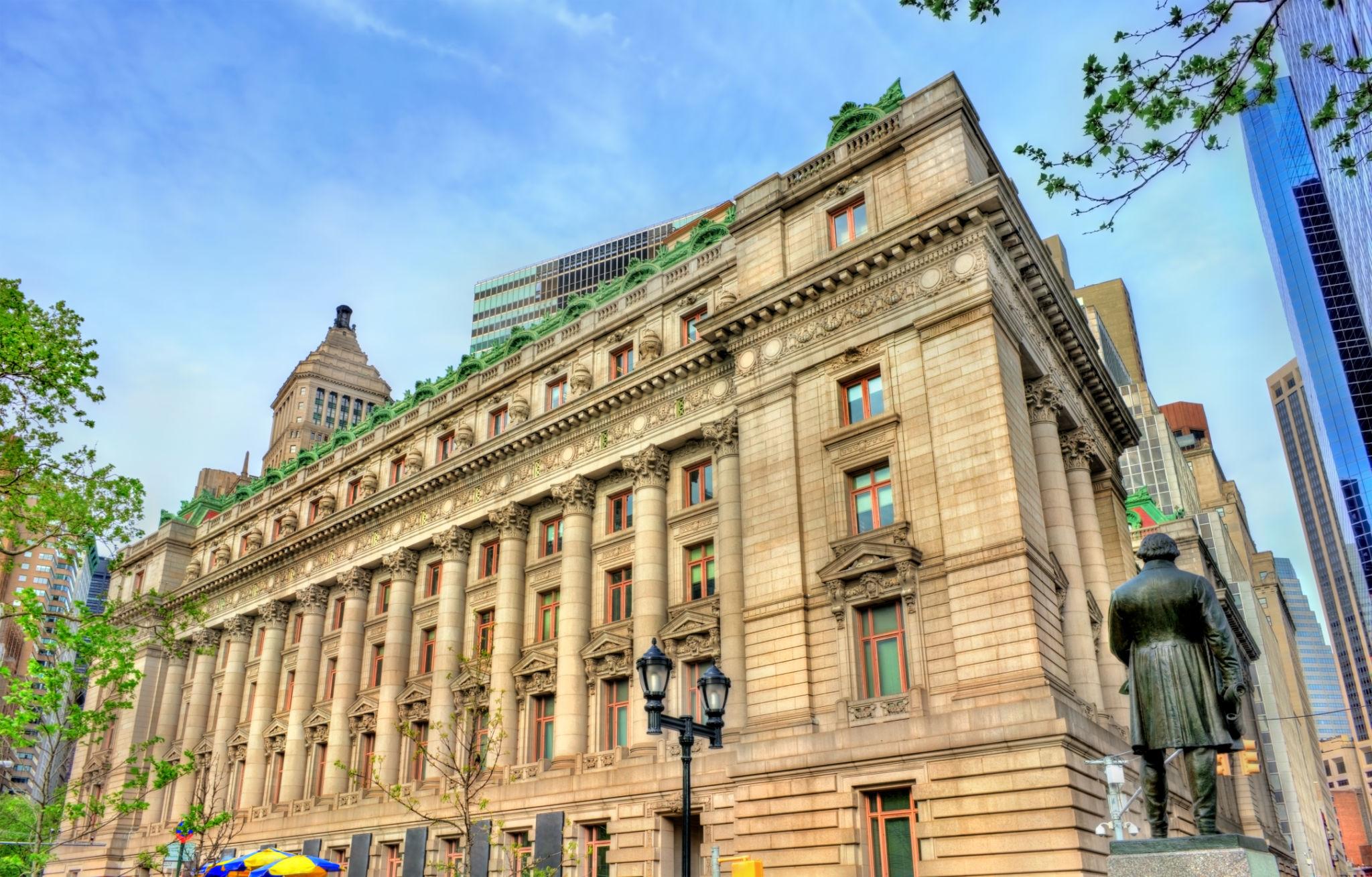
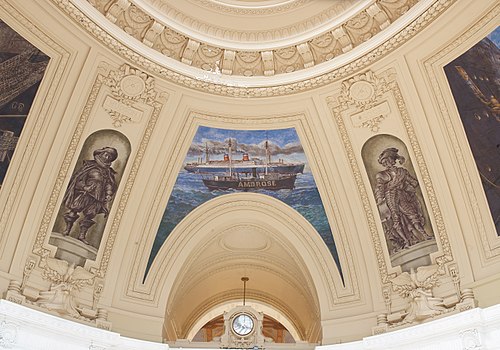
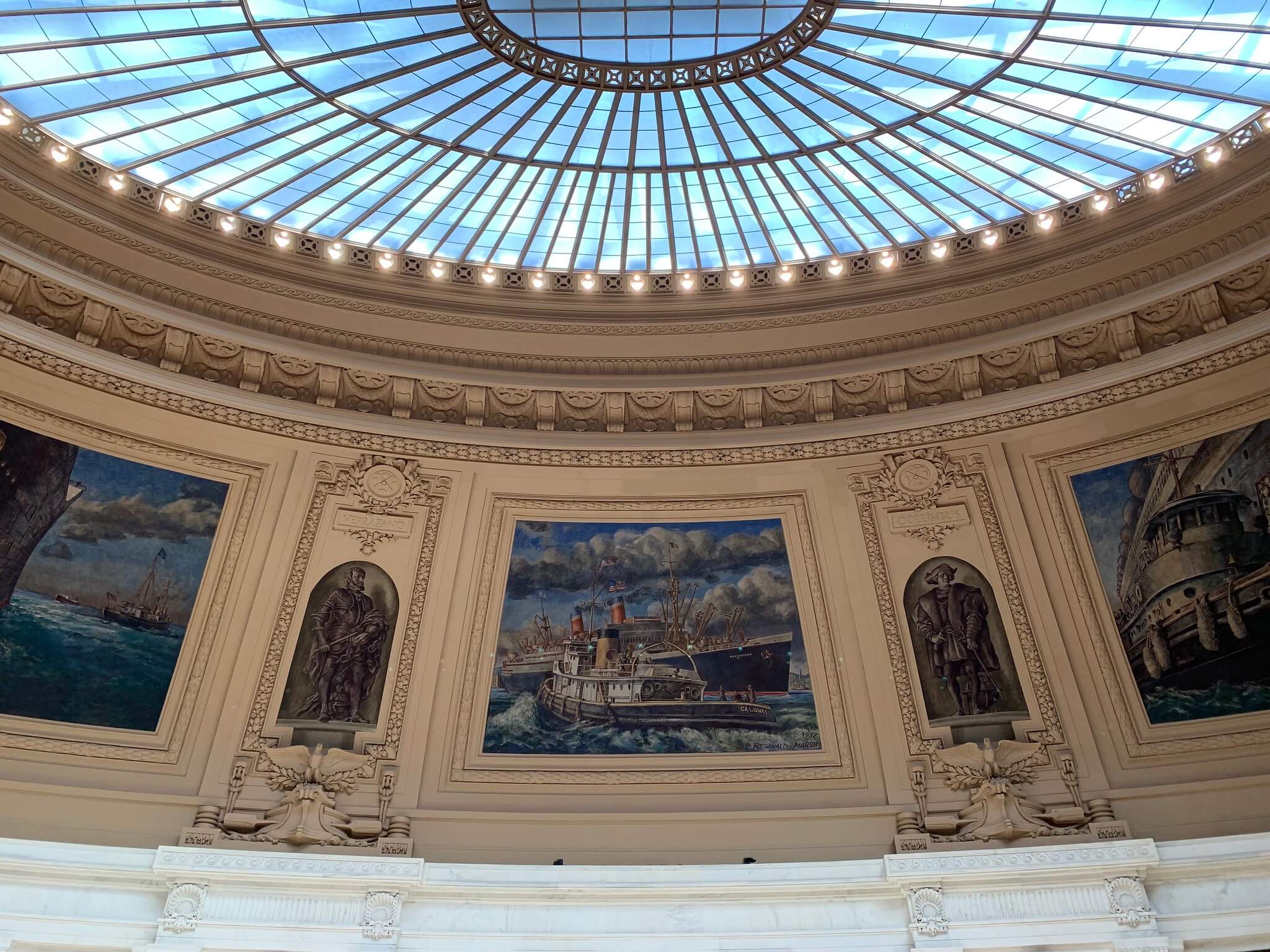
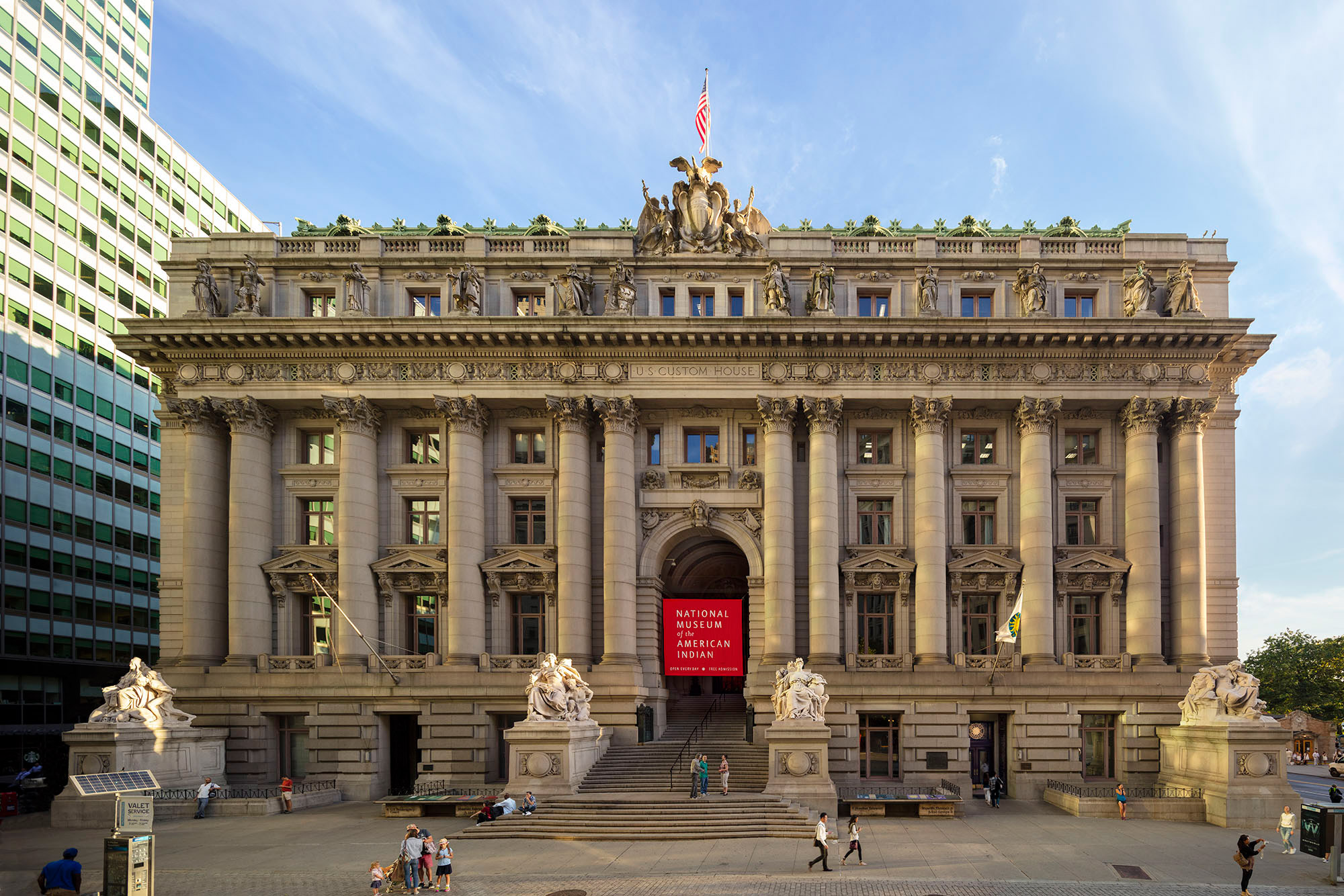
At One Bowling Green, the Alexander Hamilton U.S. Custom House was built as a federal customs headquarters at the southern edge of Manhattan, where commerce and the harbor met. Designed by Cass Gilbert in the Beaux-Arts style and completed/opened in 1907, it was conceived as a civic statement as much as a working government building. Its scale and ornament reflect the era’s ambition to represent trade, state power, and public grandeur in one composition.
Museums and Culture
American Museum of Natural History
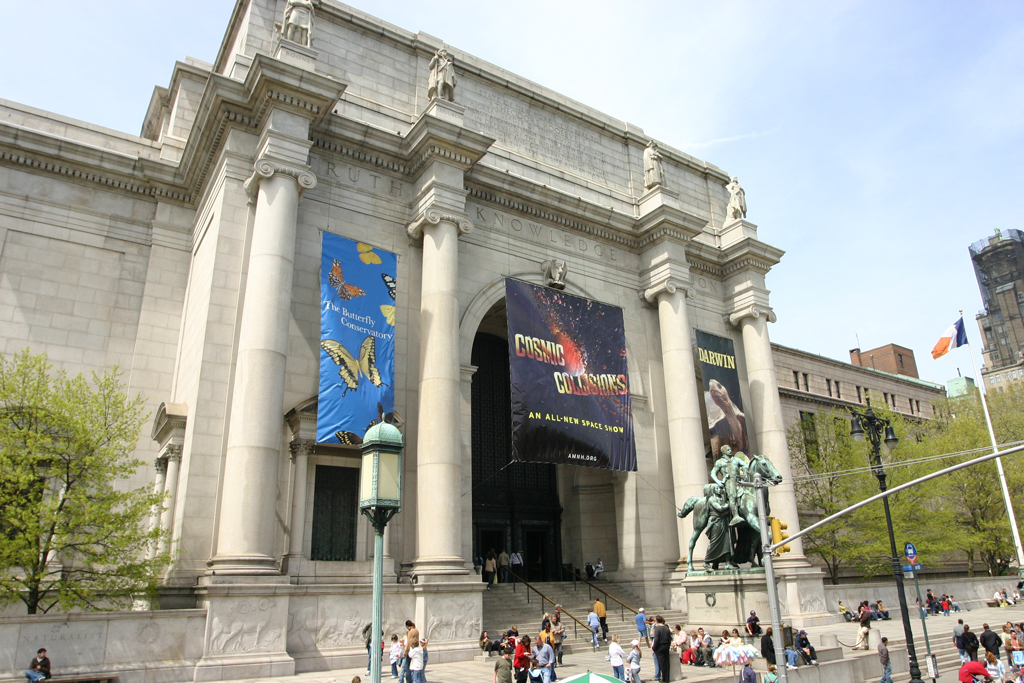
Founded in 1869 and established on Central Park West, the American Museum of Natural History was conceived as both a scientific institution and a public cultural one. Its original building, designed by Calvert Vaux and J. Wrey Mould in a Victorian Gothic mode, linked the museum architecturally to the broader Central Park era while giving it a formal, civic presence on Manhattan Square. John Russell Pope added the main entrance facade, designed in the 1920’s, featuring a monumental archway on Central Park West with a broad terrace and steps, paired Ionic columns, carved bas-reliefs, and ornate bronze doors. A monument showing Theodore Roosevelt on horseback was removed in 2022 due to public debate about its symbolism.


Buildings and Monuments
B. Altman Building
365 Fifth Avenue
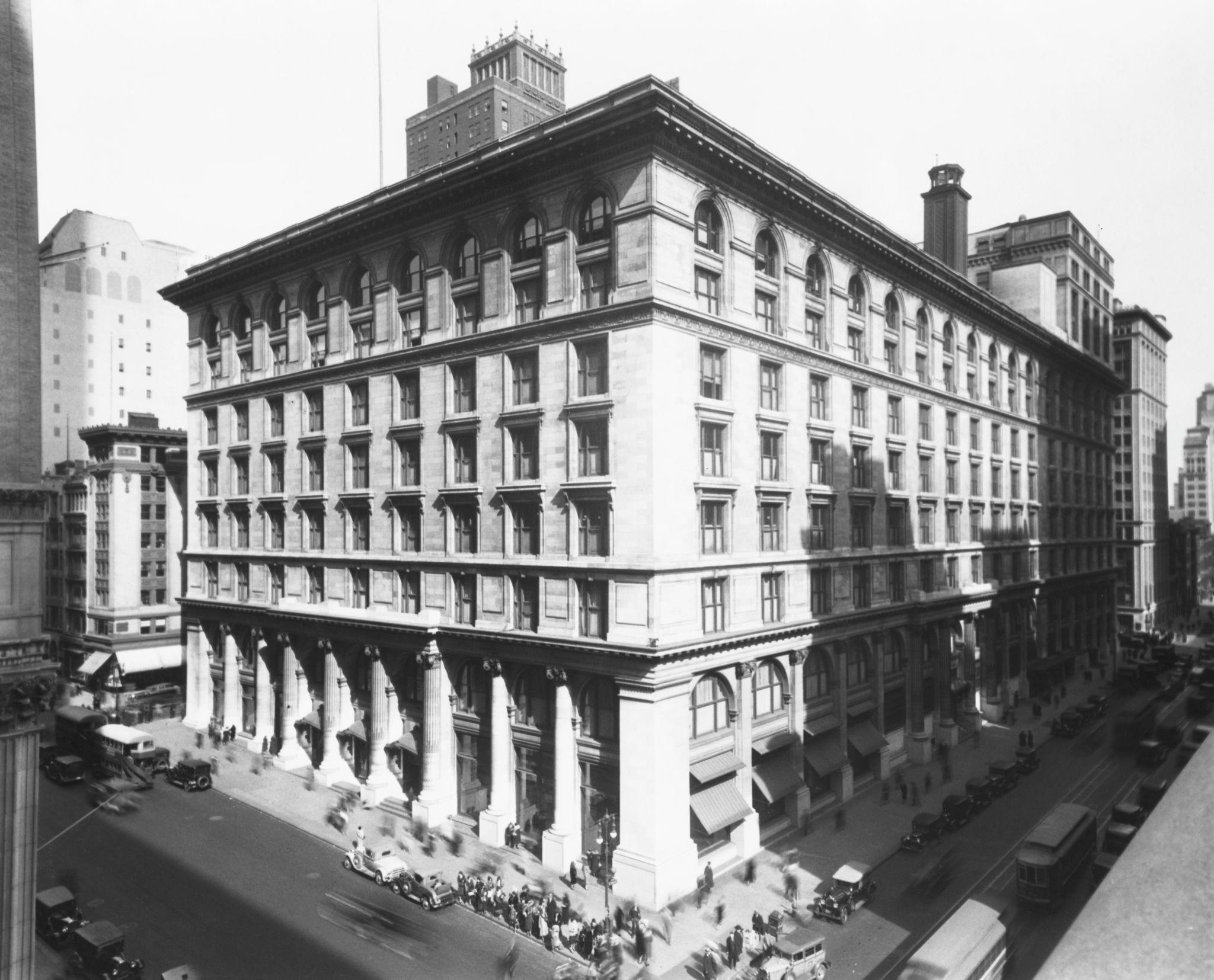
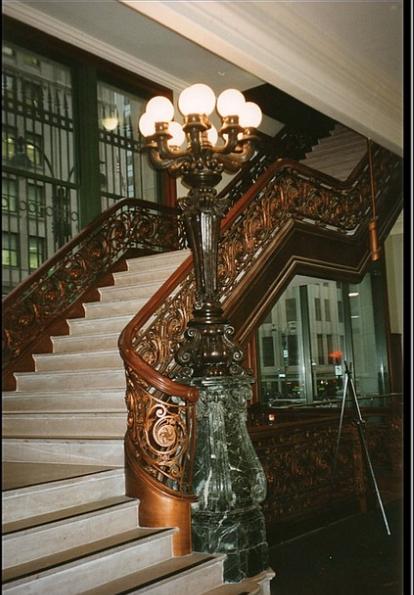
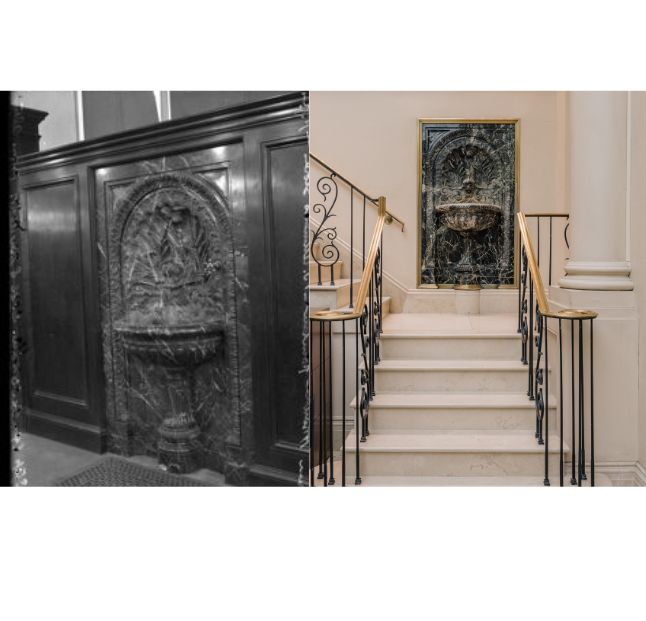
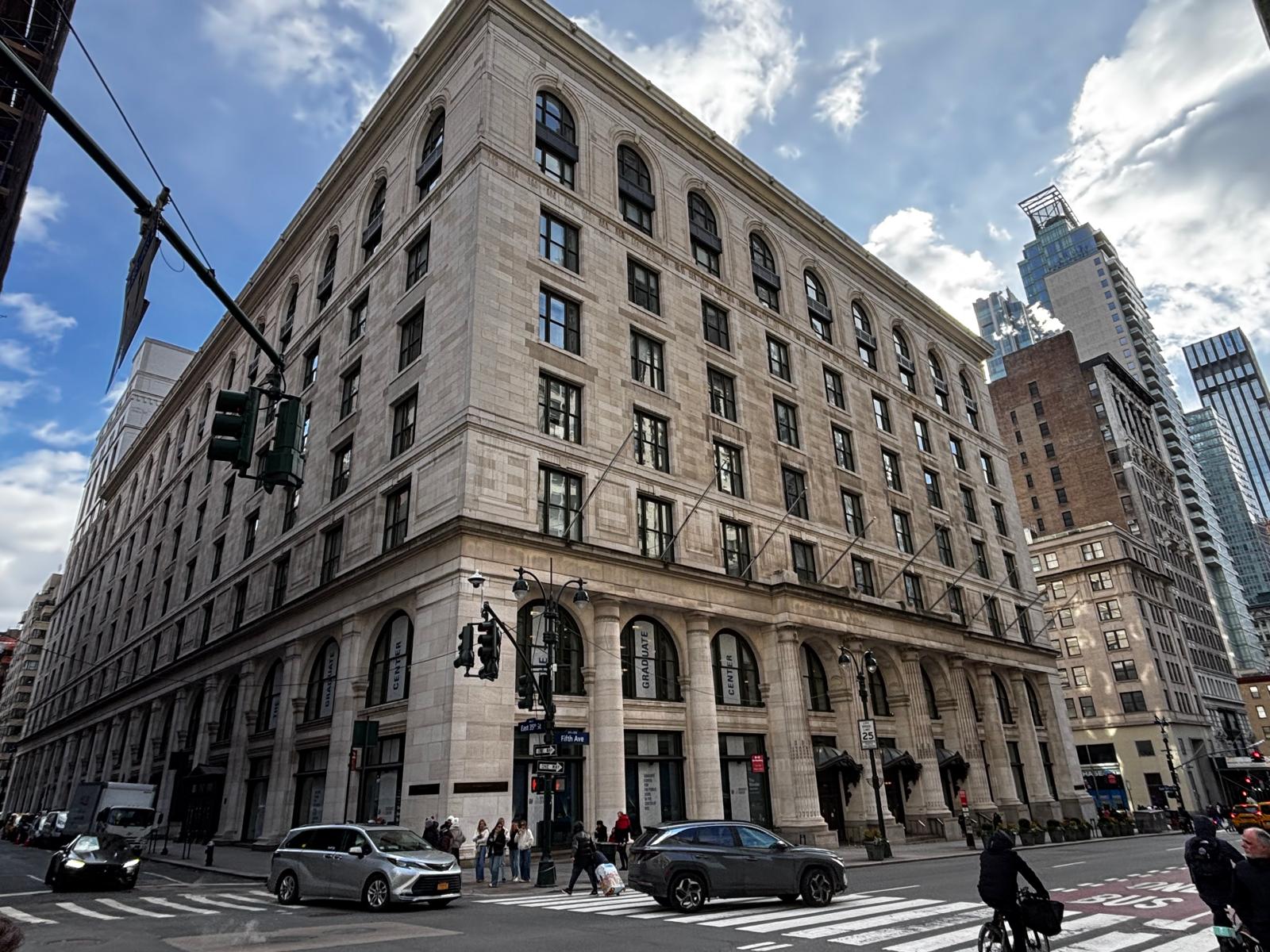
With prominent families like the Astors, J. Piermont Morgan, and Alexander Stewart all residing in the immediate area, Benjamin Altman undertook the construction of an ambitious project for the new B. Altman store. Occupying the full block between Fifth and Madison Avenues and 34th–35th Streets, the B. Altman building marked a major shift in New York retail geography. Designed by Trowbridge & Livingston in the Italian Renaissance Revival style and built in stages from 1906 to 1914, it brought department-store scale to a still-residential Fifth Avenue area, while maintaining a restrained, mansion-like limestone façade.

Infrastructure and Transit
Brooklyn Bridge
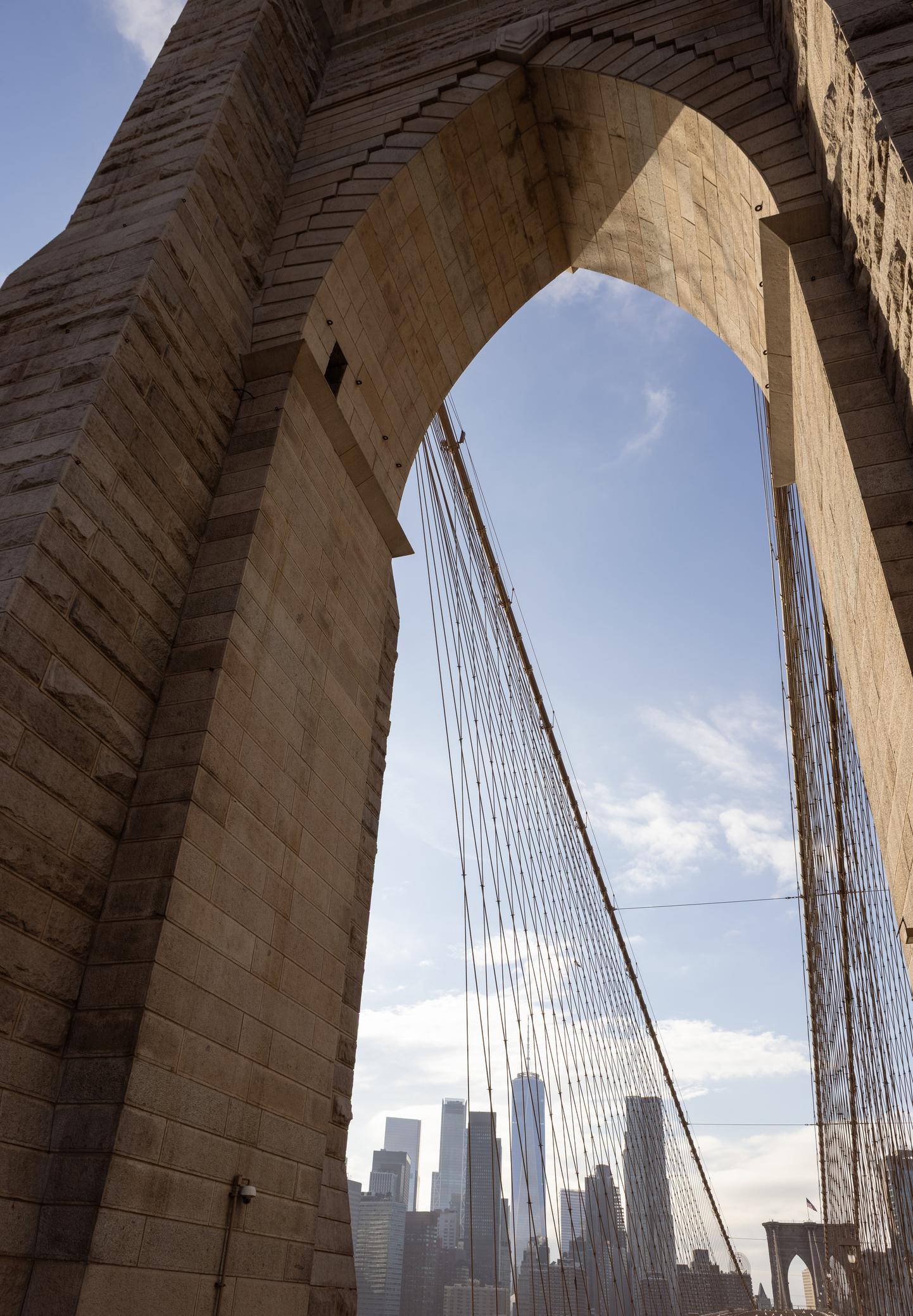
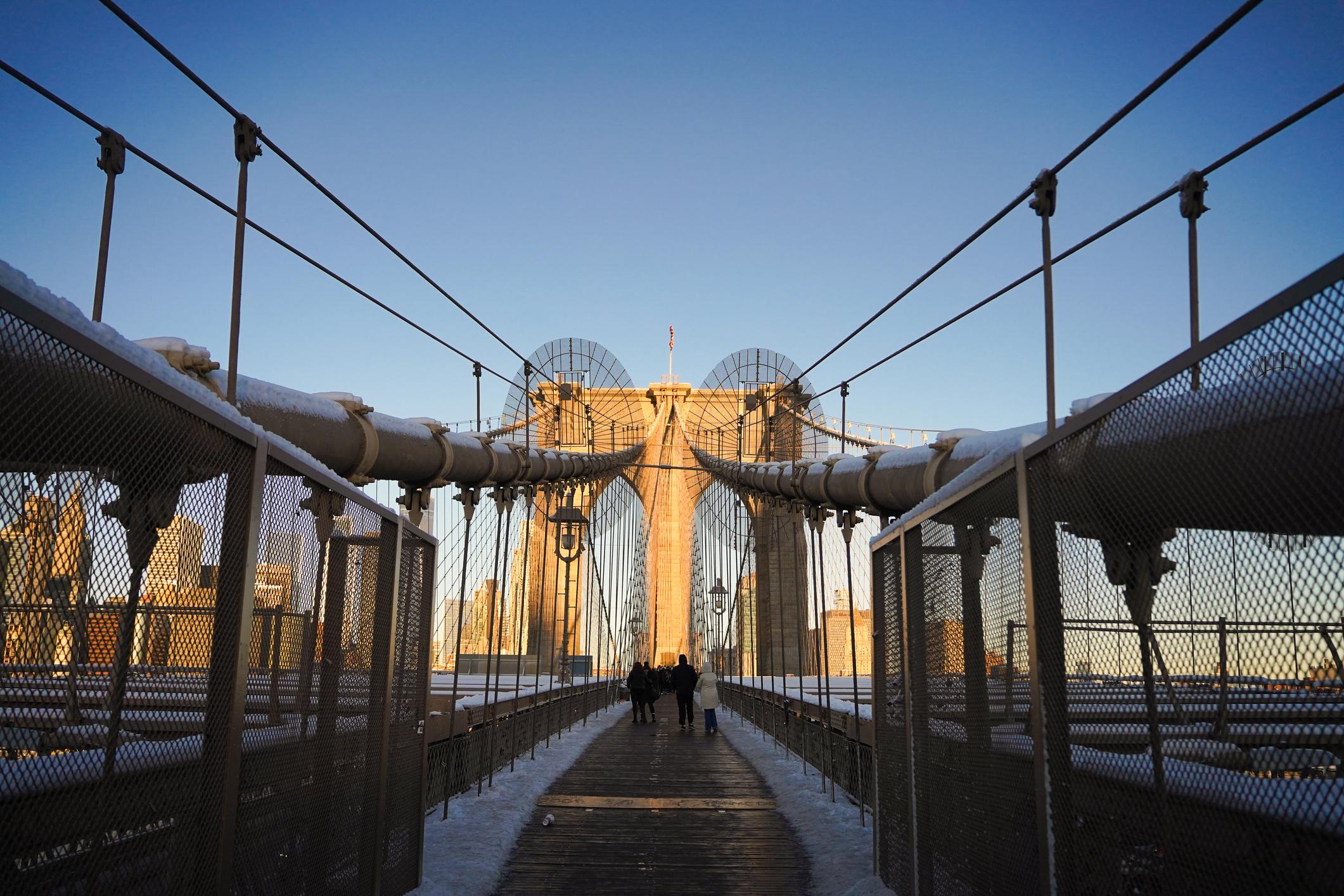
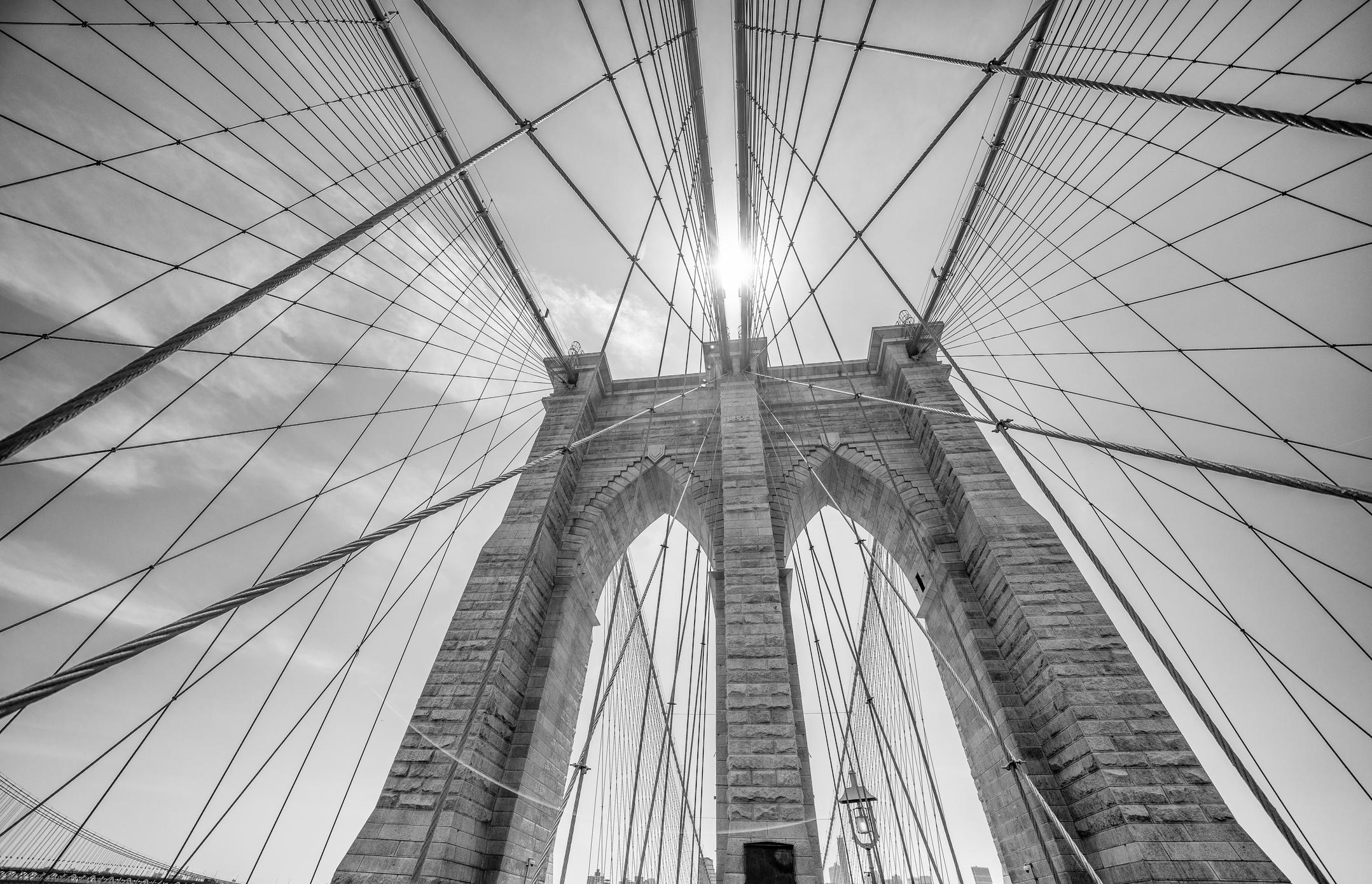
The Brooklyn Bridge opened in 1883 as a monumental act of infrastructure, linking Manhattan and Brooklyn at a moment when the city’s growth demanded a new scale of connection. Designed by John A. Roebling and completed under his son Washington Roebling, it paired engineering ambition with a civic sense of ceremony: a limestone-and-granite gateway, Gothic arches, and a soaring web of cables that made the crossing feel like an urban procession. More than a transit route, the bridge became a defining New York silhouette—both practical and poetic—still drawing commuters and visitors into one of the city’s most iconic elevated walks.
Parks
Central Park
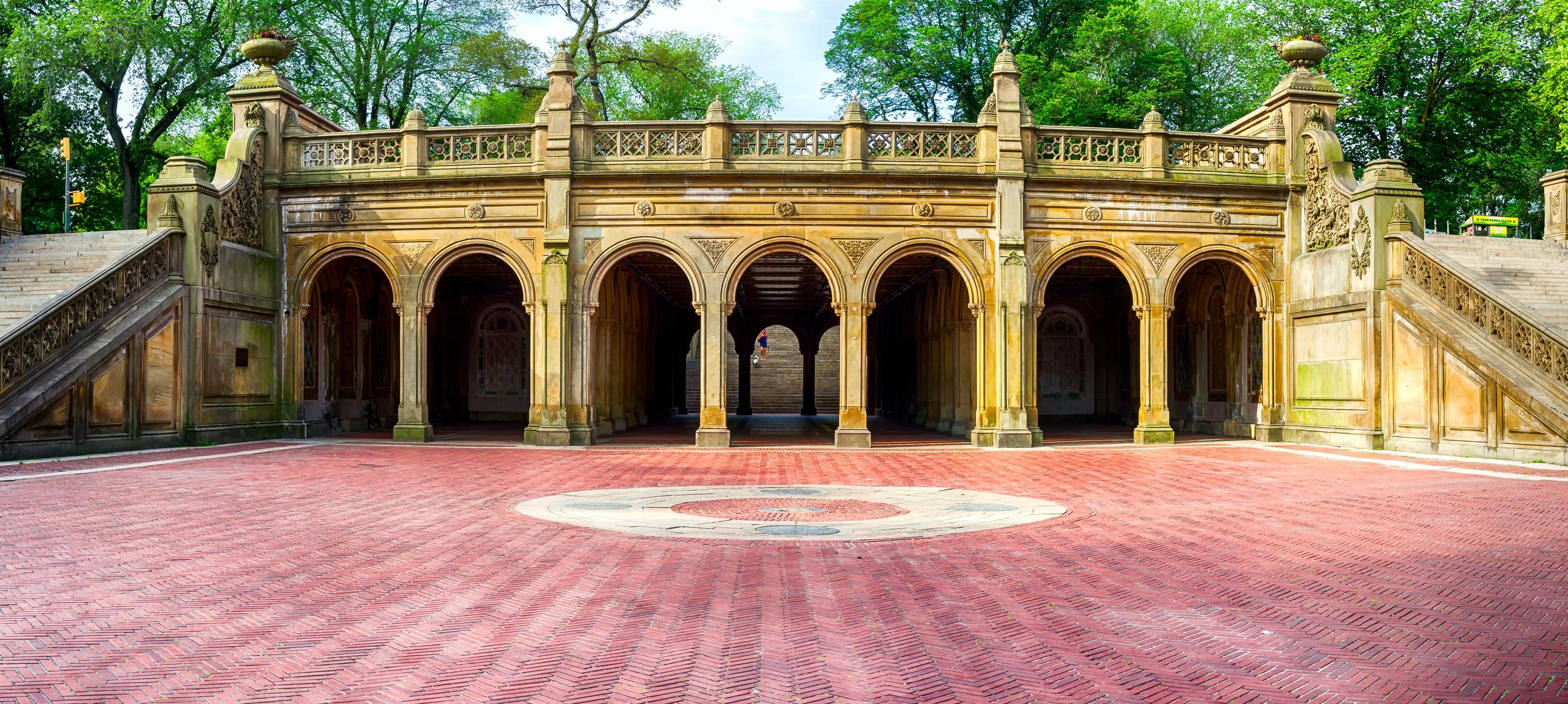
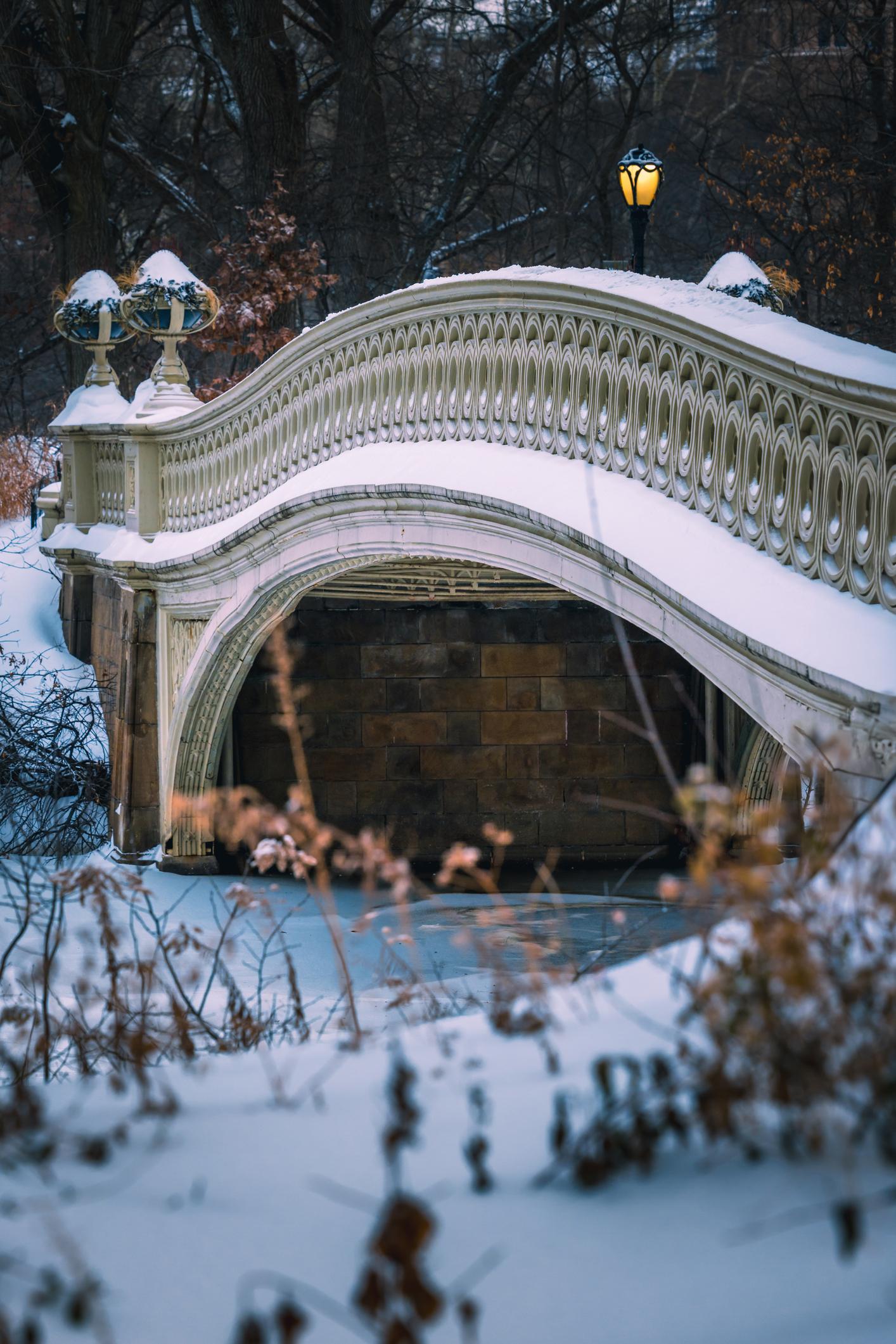
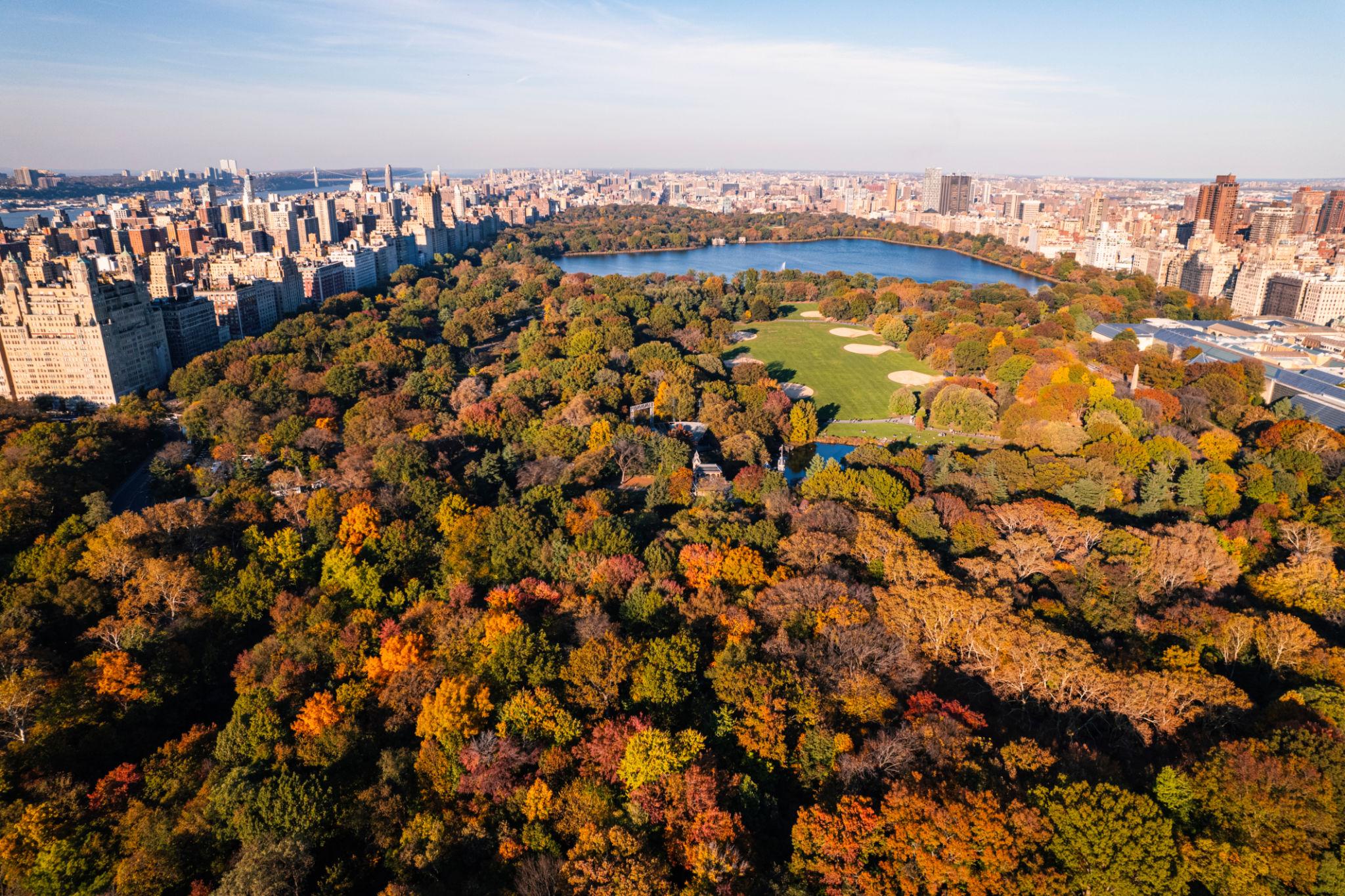
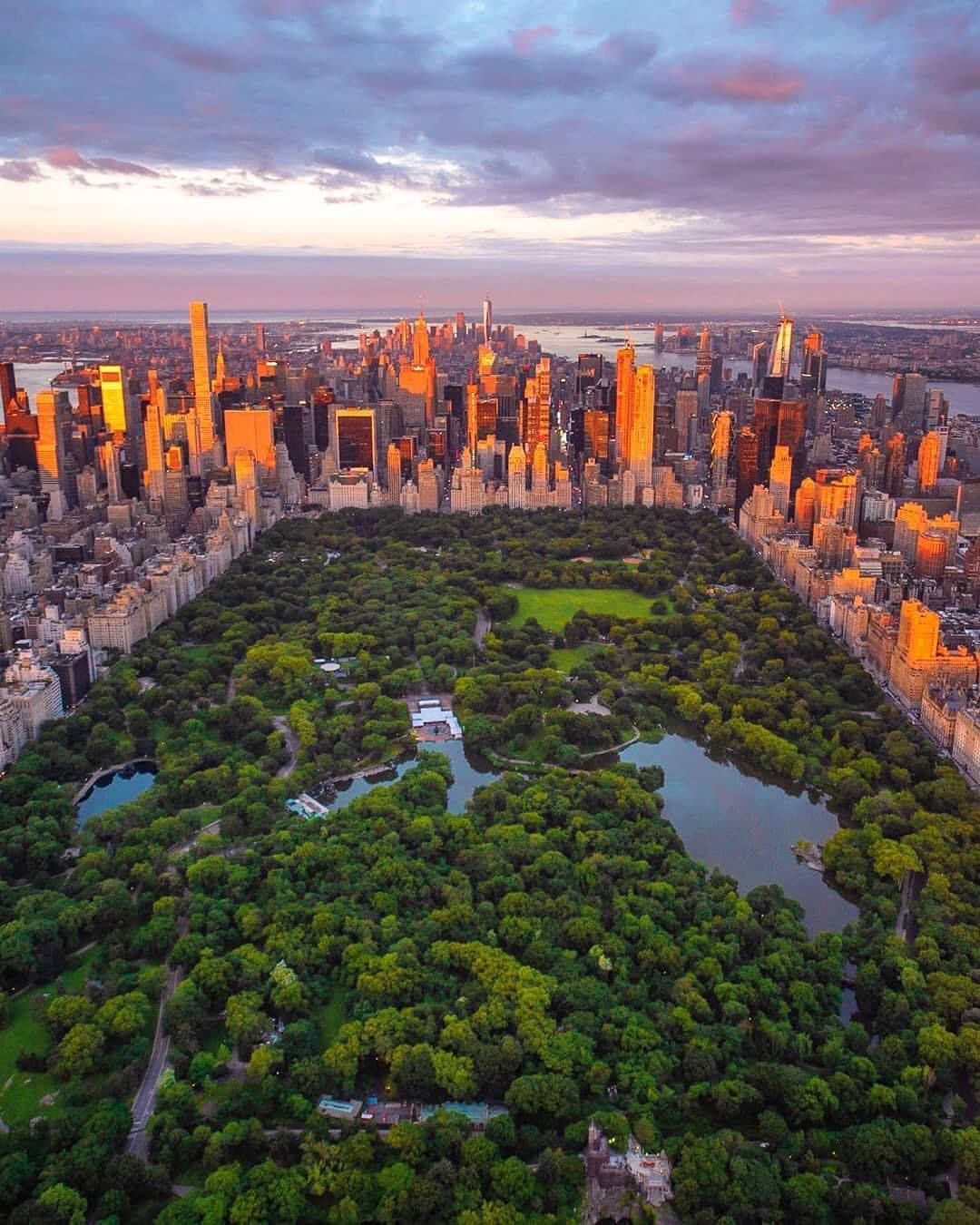
Central Park emerged from a mid-19th-century effort to create a public landscape for all New Yorkers, and Frederick Law Olmsted and Calvert Vaux’s winning design set the park’s enduring direction. Their plan favored naturalistic scenery over rigid formality, using circulation, terrain, and pastoral space to make the park both a social project and a foundational work of American landscape architecture. Perhaps above all other New York City landmarks, Central Park remains as the most open, inviting, well-preserved and influential space in the city.
.jpg)
Infrastructure and Transit
City Hall Station
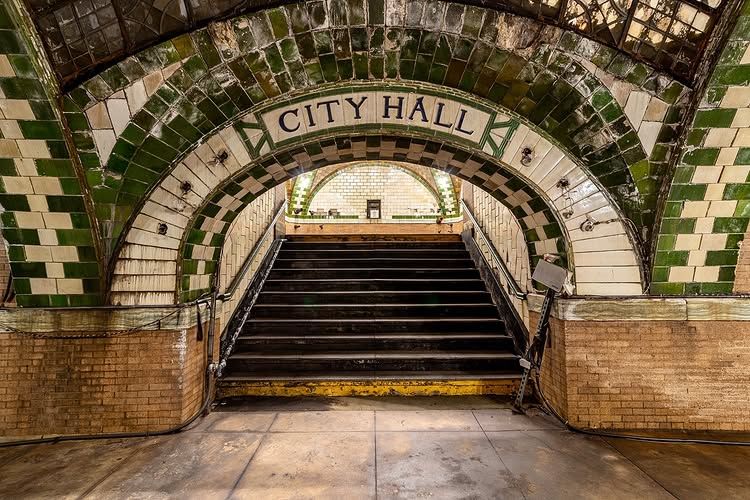
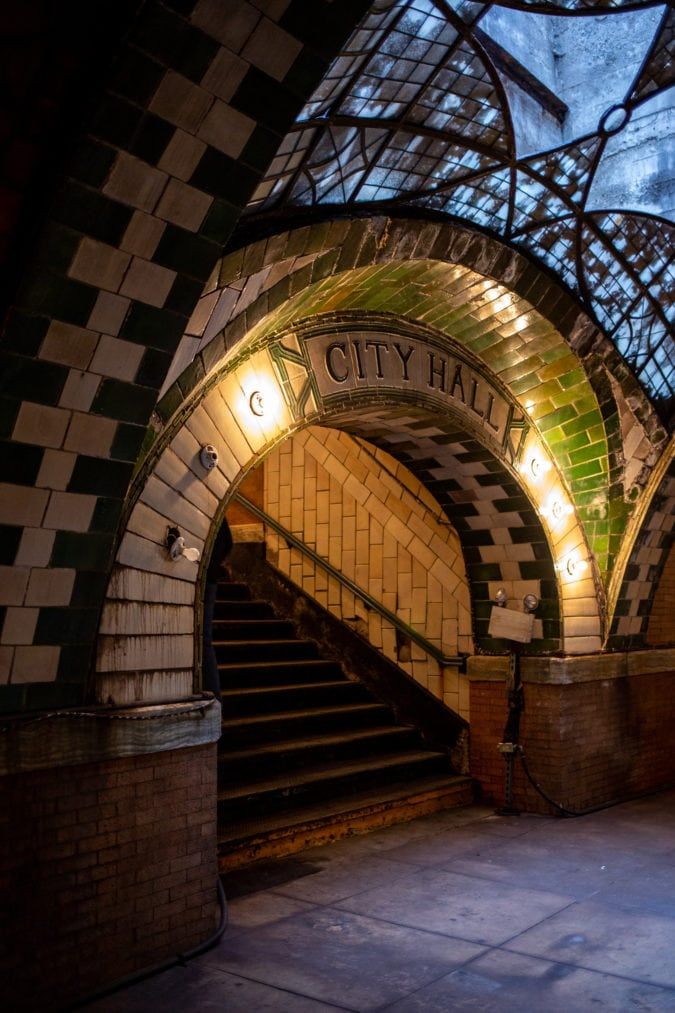
City Hall Station opened in 1904 as the ceremonial starting point of New York’s first subway, built beneath Lower Manhattan as a showpiece of civic pride. Though decommissioned in 1945, the station is remembered for its vaulted tile ceilings, chandeliers, skylights, and sweeping curves; its ornate Guastavino-led design made early transit architecture feel closer to a civic monument than a utilitarian platform.



Infrastructure and Transit
Ellis Island
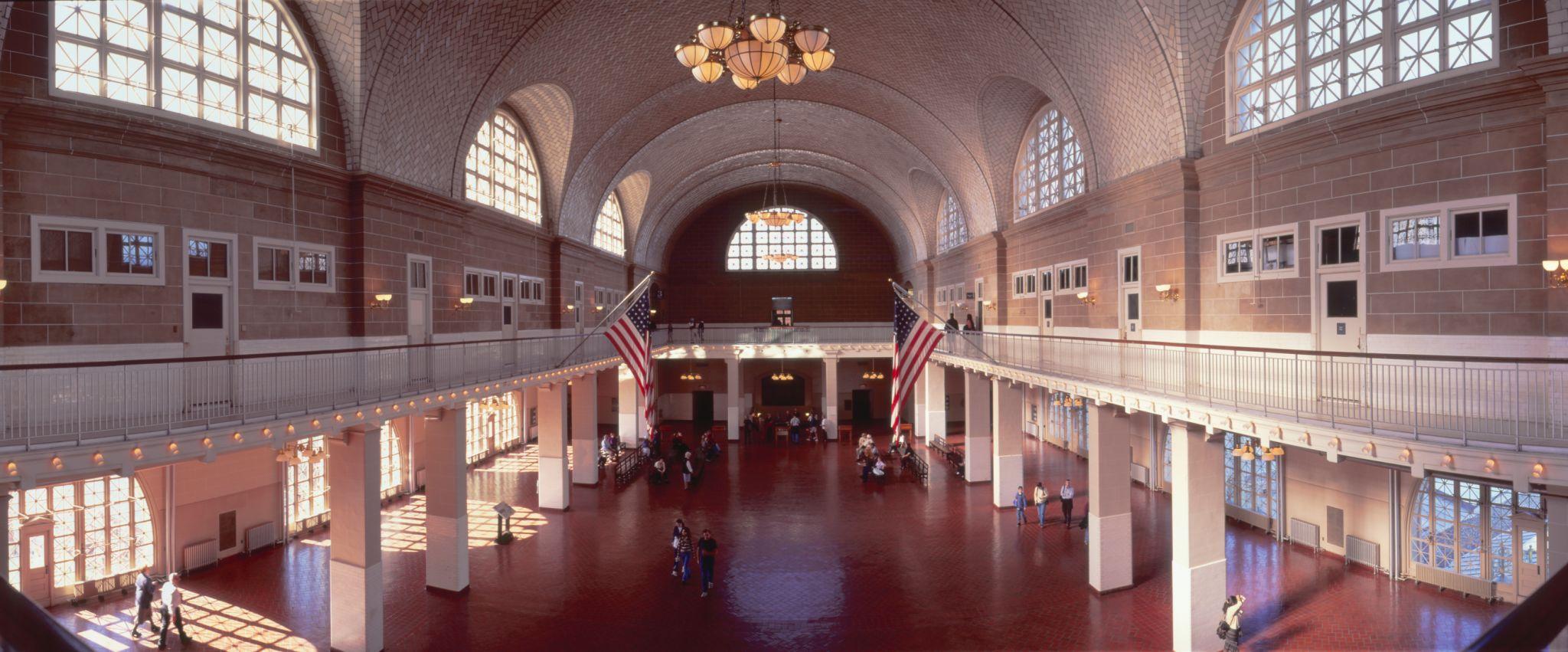
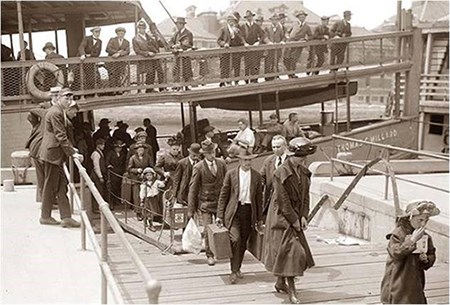
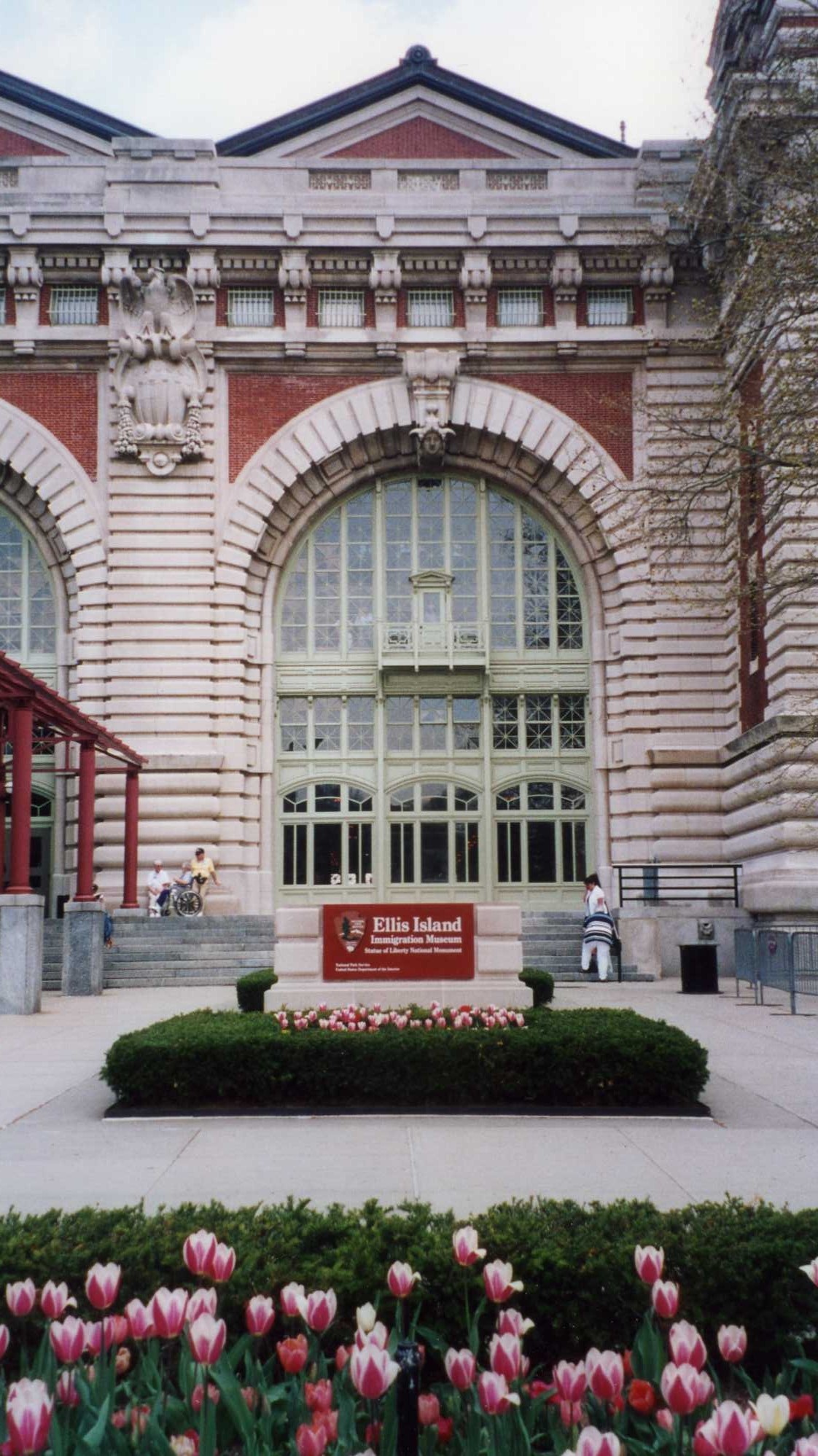
A symbol of American immigrant dreams, Ellis Island’s significance is civic before it is architectural: from 1892 to 1924, it was America’s largest and busiest immigration station, processing more than 12 million people. The 1900 main building, was designed by Edward Lippincott Tilton and William A. Boring; its red-brick, French Renaissance main structure turned a federal processing center into one of the country’s most recognizable immigrant landmarks. The Great Hall was designed with arched windows, vaulted ceilings, and beautiful symmetry.

Buildings and Monuments
Flatiron Building
175 Fifth Ave
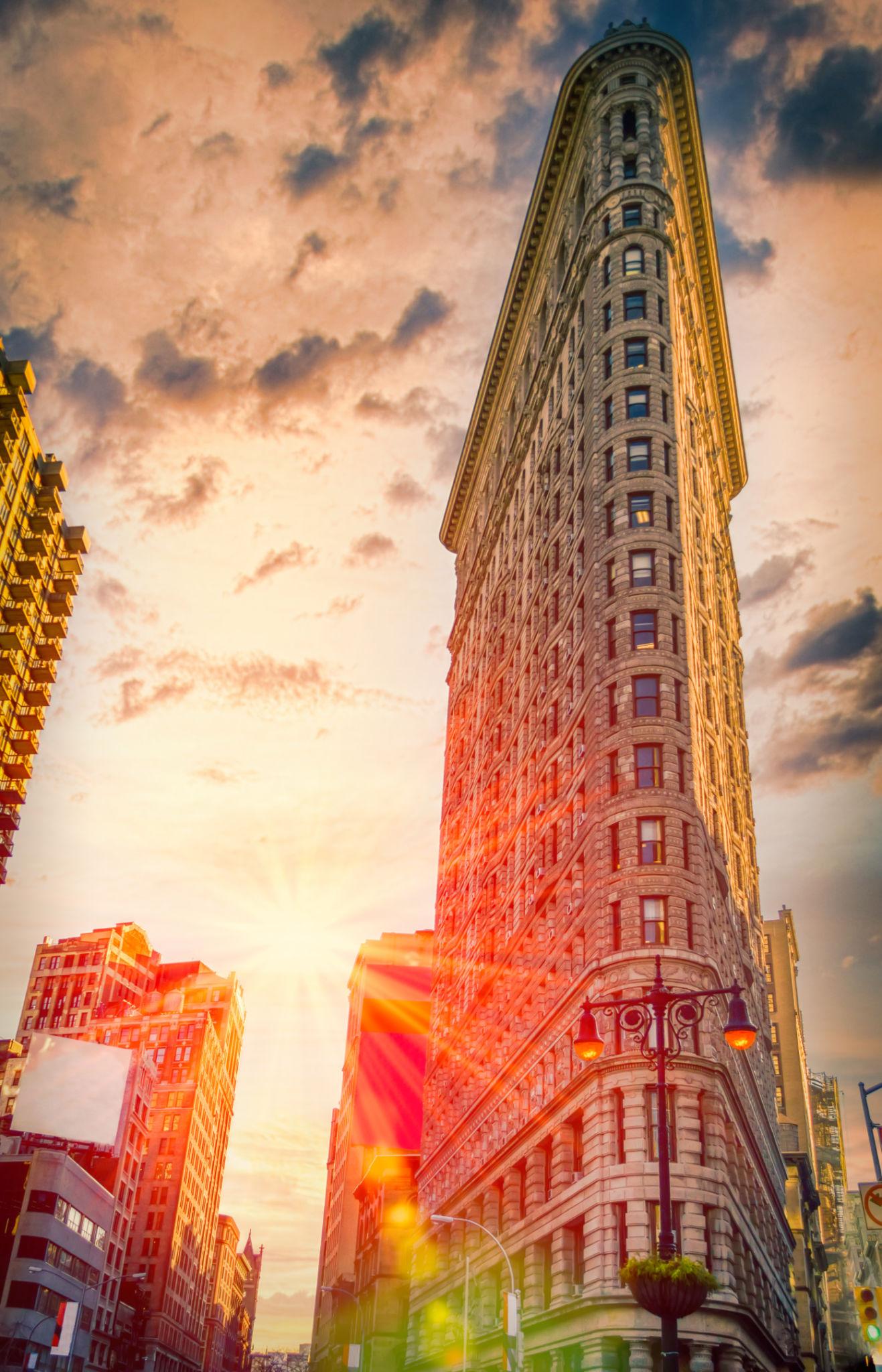
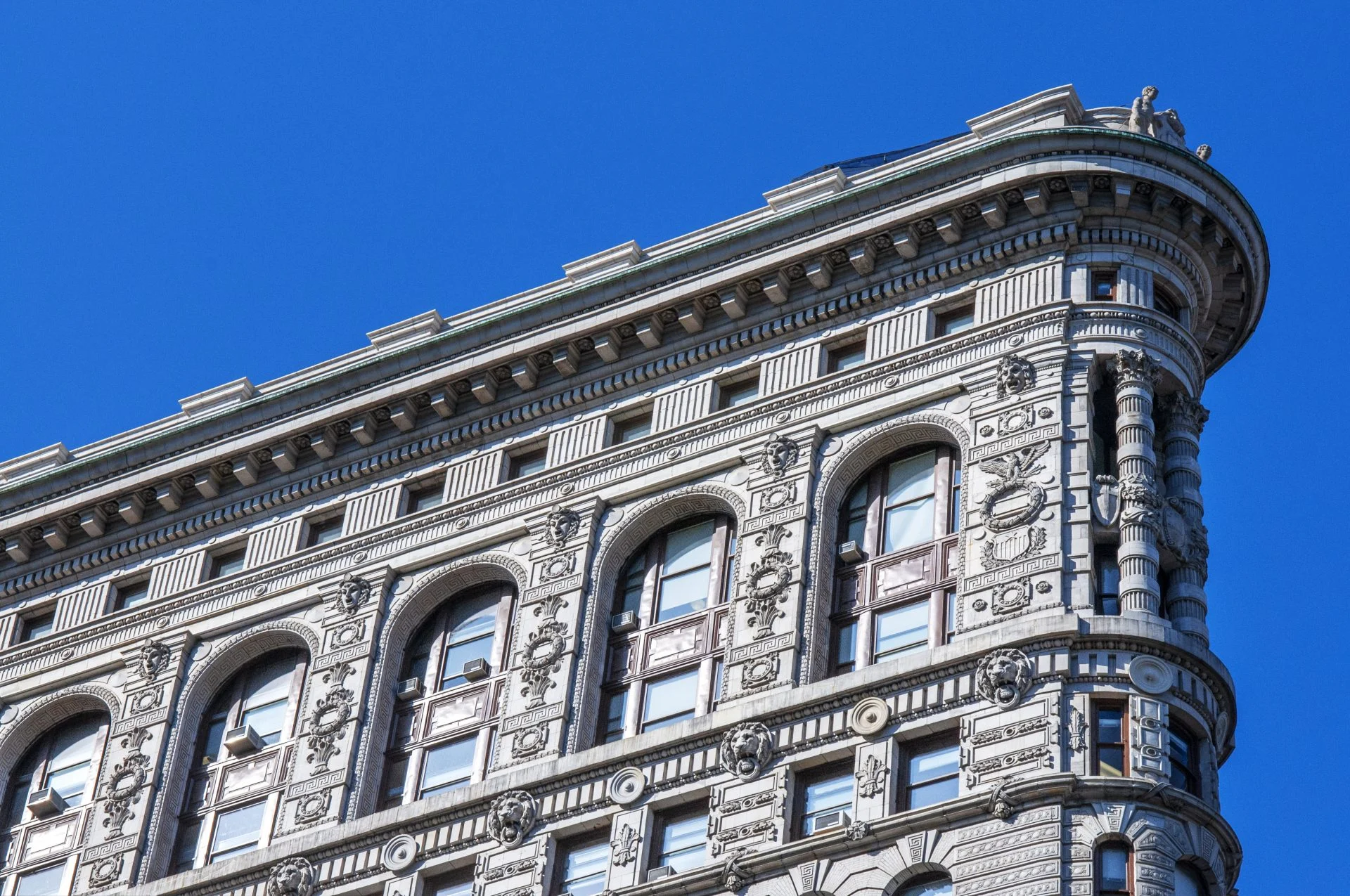
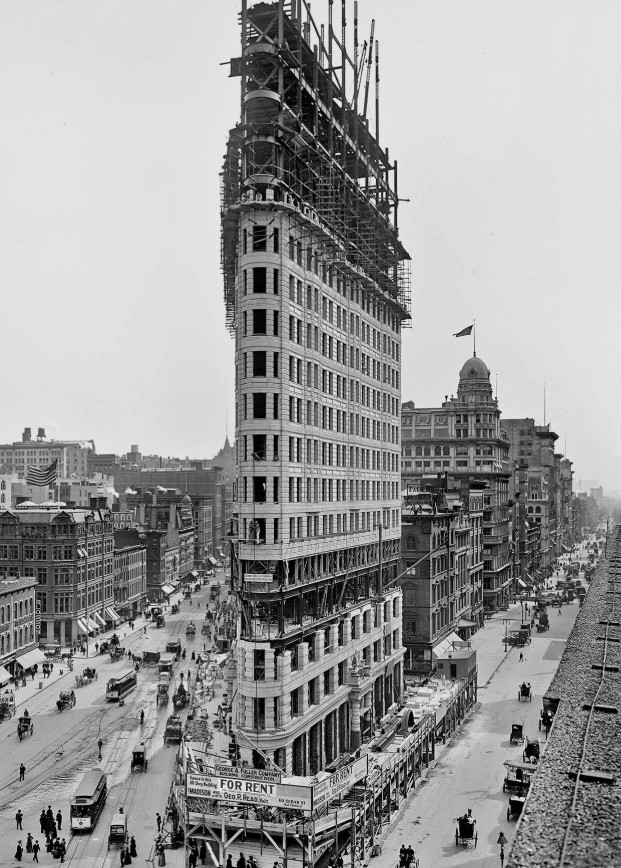
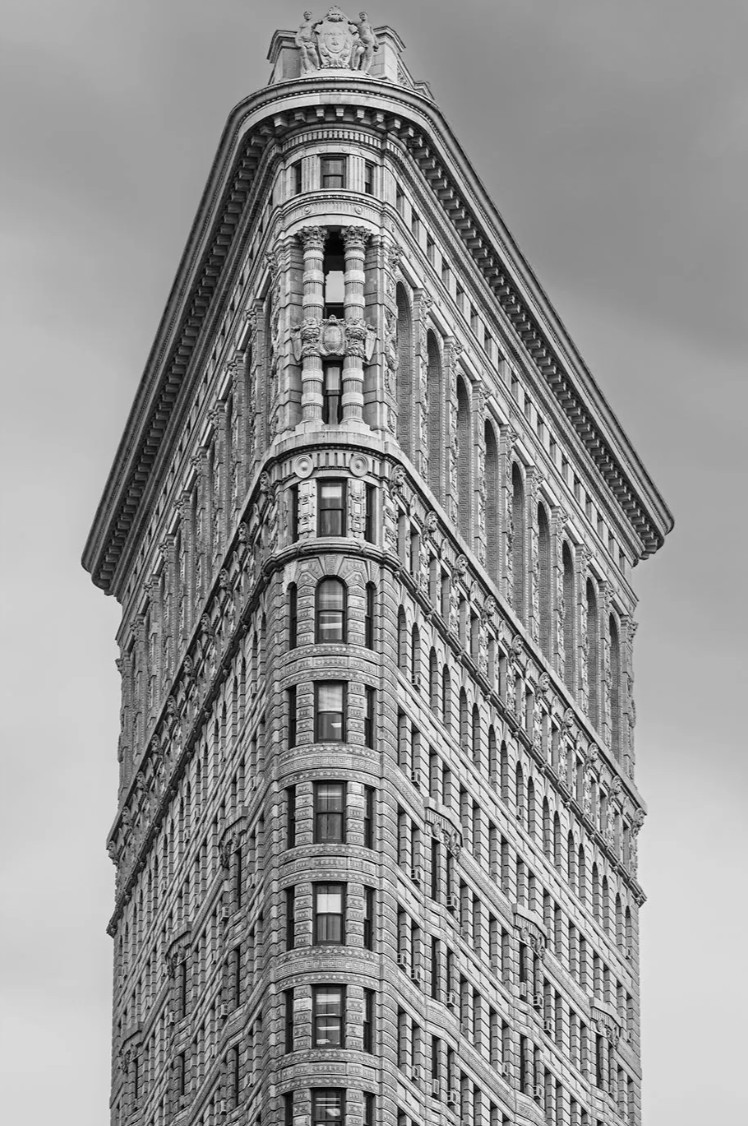
Originally known as the Fuller Building, the Flatiron Building is arguably the most iconic and most photographed building in New York City. Architect Daniel Burnham, who advocated for the City Beautiful movement, designed this masterpiece in 1902. Though not initially widely acclaimed, its beauty was probably best described by Robert A.M. Stern, the building "convincingly express(es) the romantic characteristics of the skyscraper".

Infrastructure and Transit
Grand Central Terminal
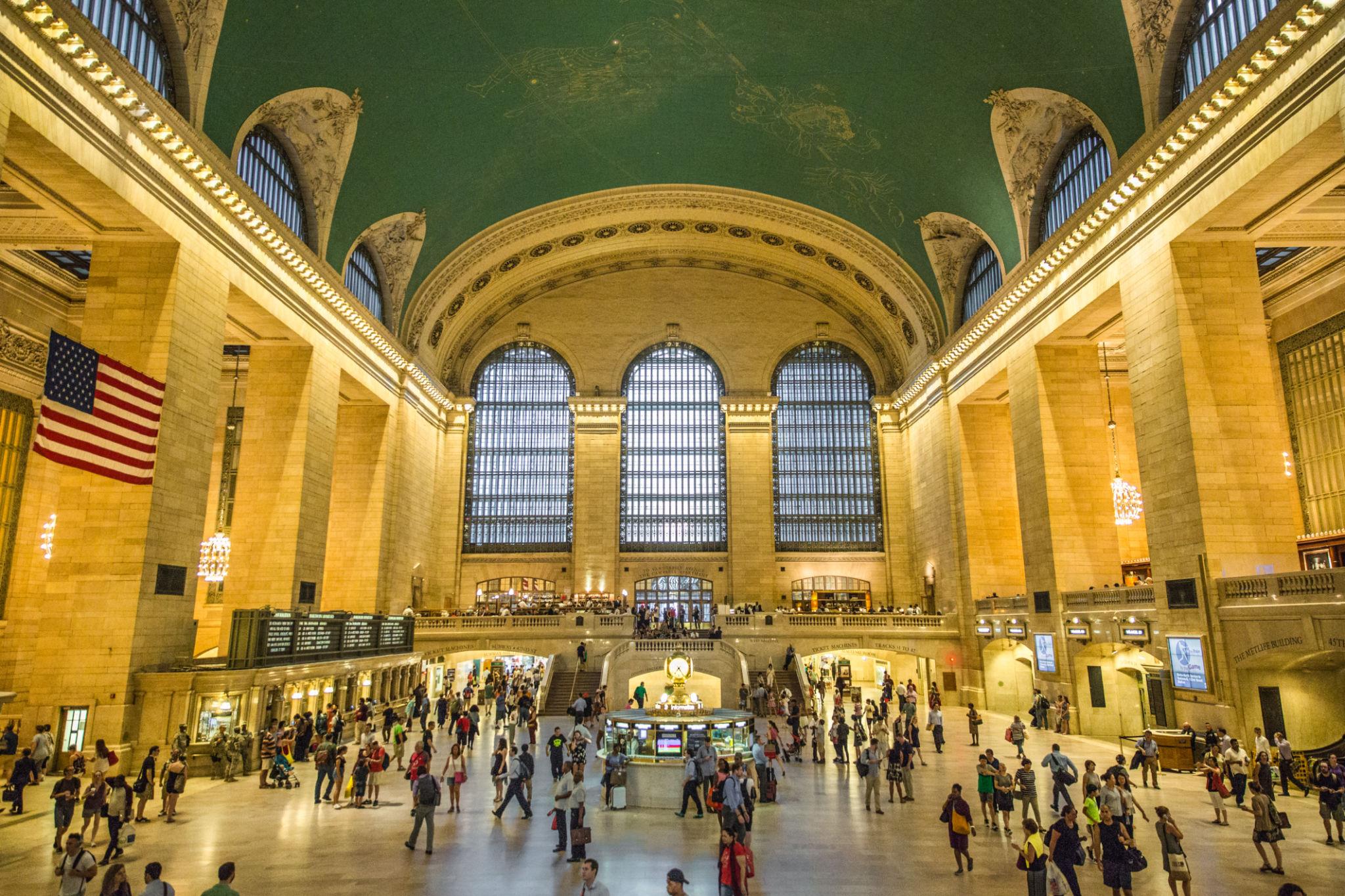
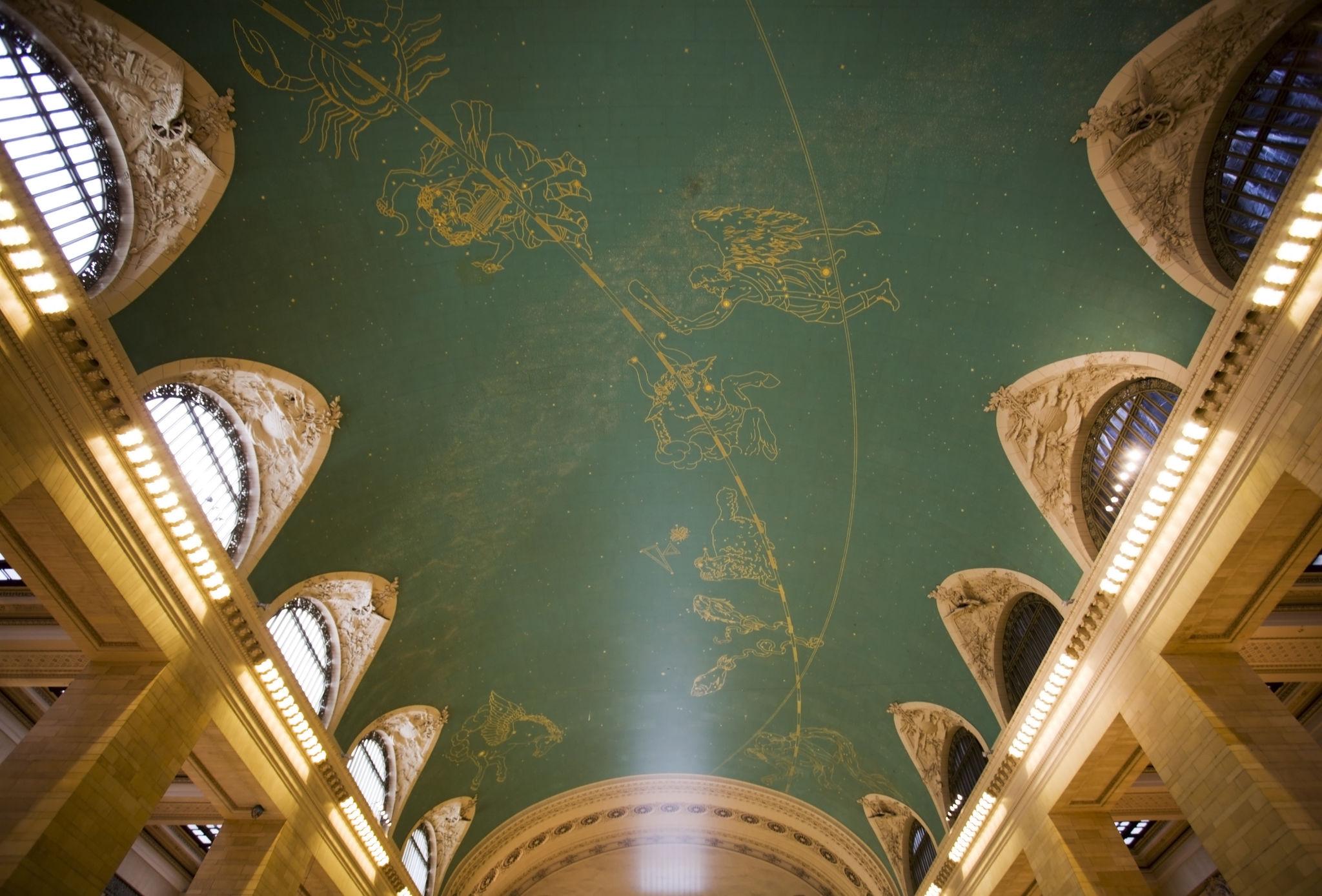
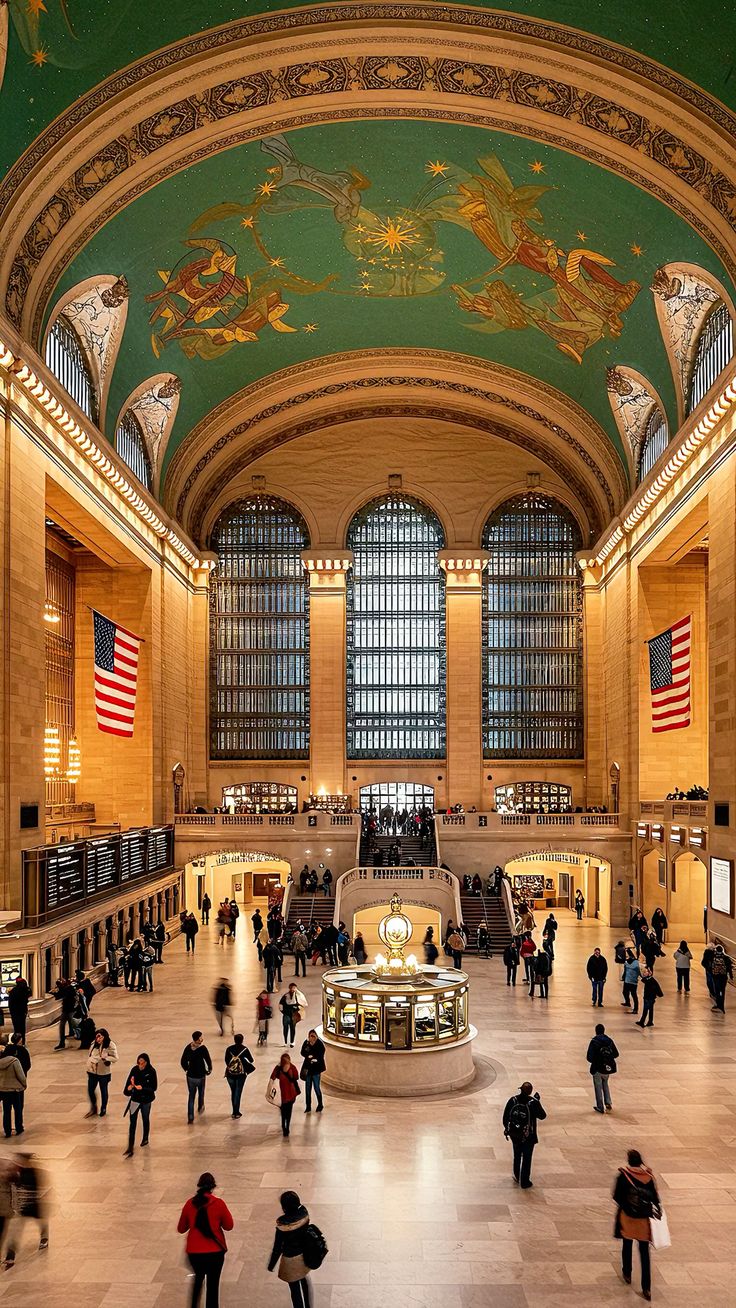
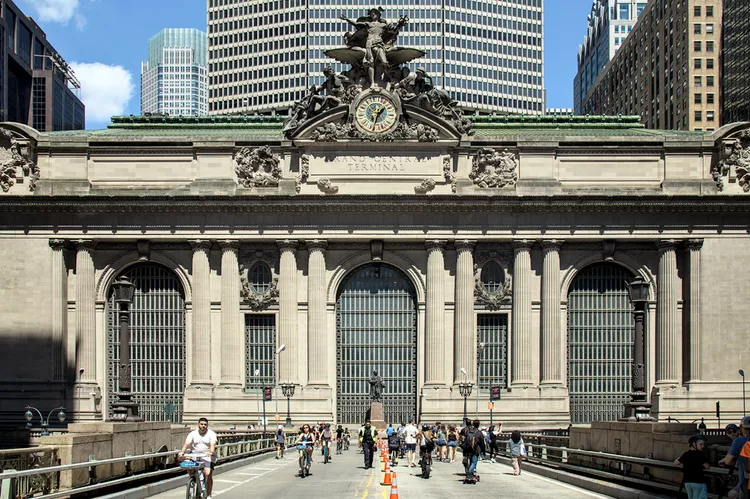
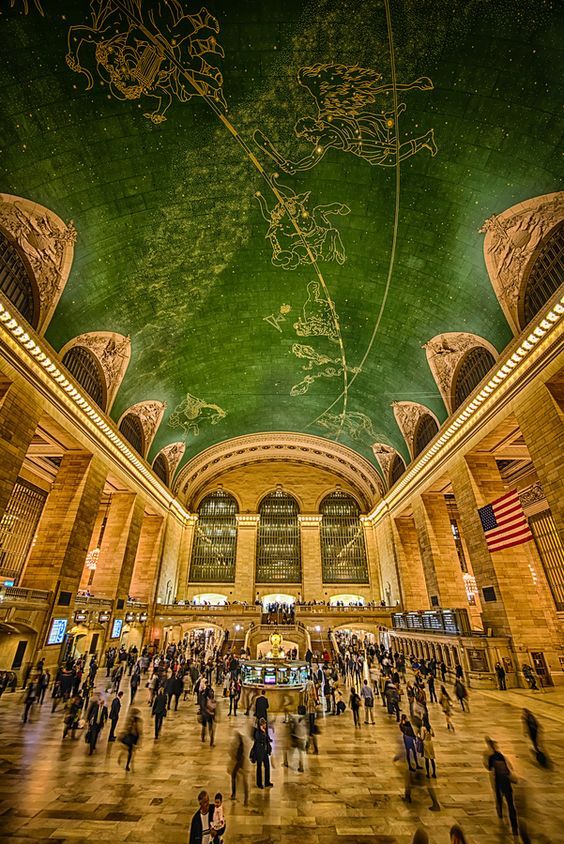
Grand Central Terminal, one of the city’s greatest architectural gifts, opened in 1913 as the city’s major east-side rail hub and remains one of New York’s defining Beaux-Arts interiors and facades. Commissioned by the Vanderbilt family, whose patriarch Cornelius Vanderbilt had consolidated railways under the New York Central Railroad, Its design was developed by Reed & Stem with Warren & Wetmore. The building’s scale and ornament were meant to make transportation feel ceremonial, not merely functional. Its main hall continues to inspire and take visitors breath away. The facade includes monumental arches and its celestial Main Concourse ceiling has become one of the most photographed spaces in New York City.
Buildings and Monuments
Grant's Tomb
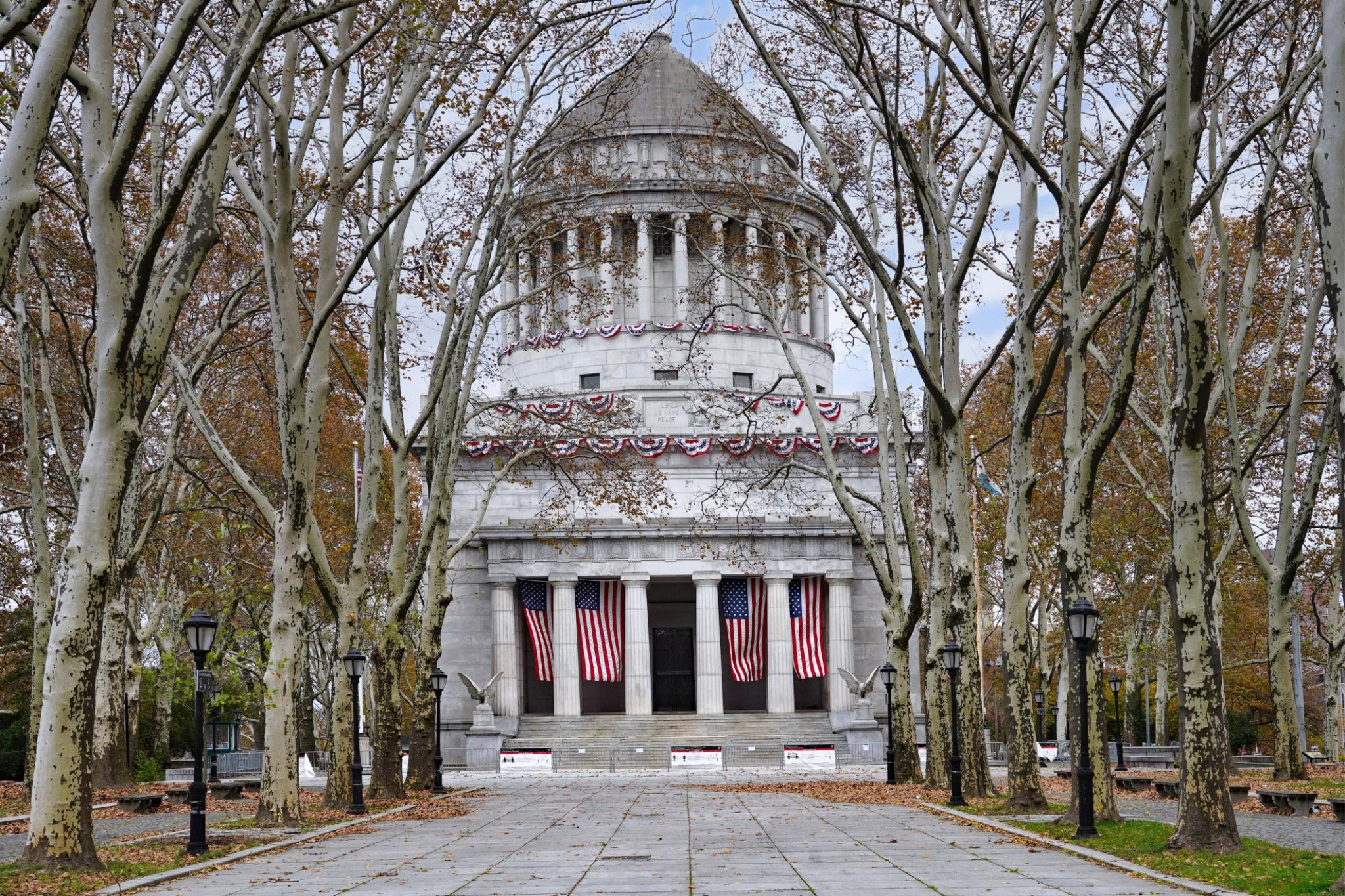
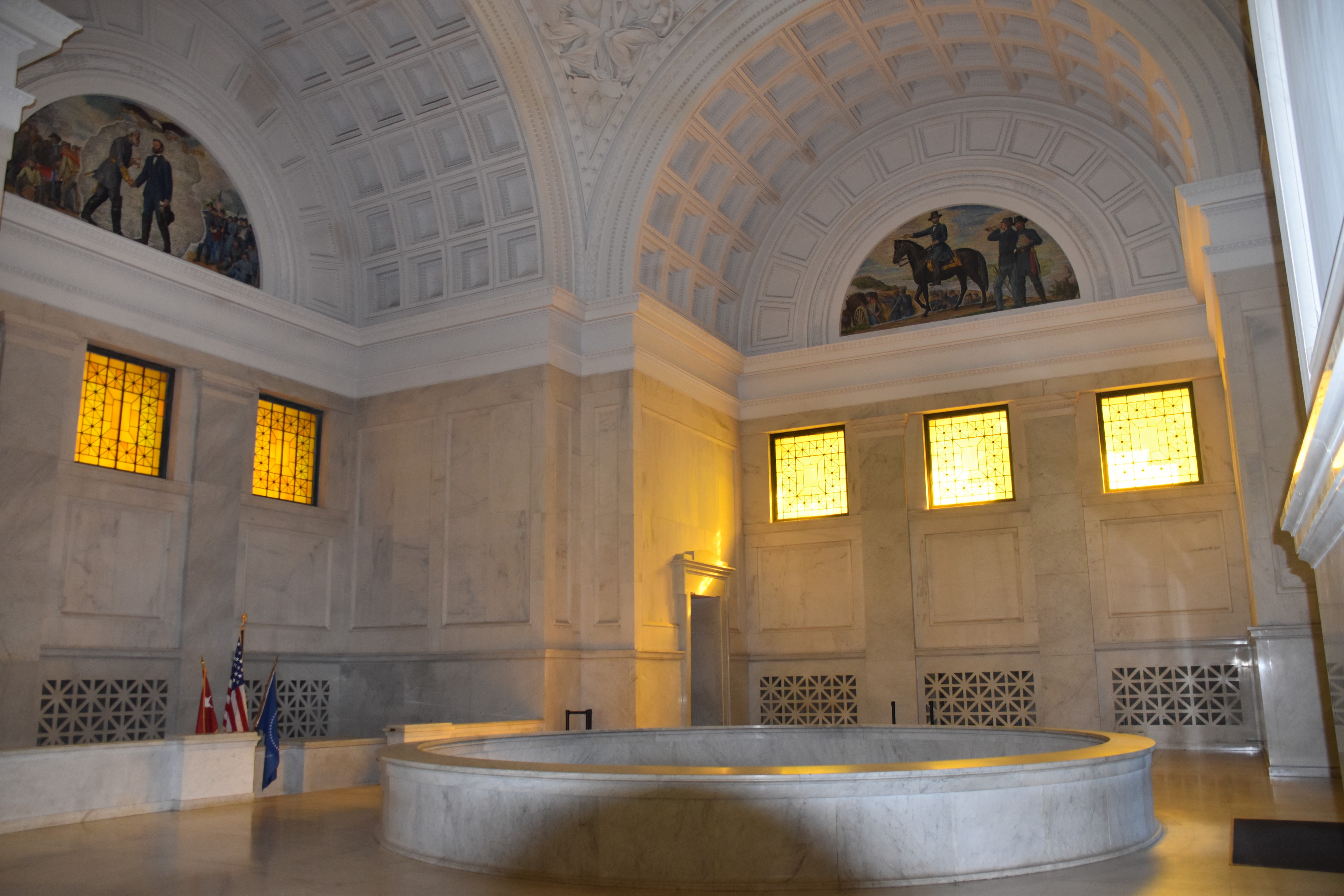
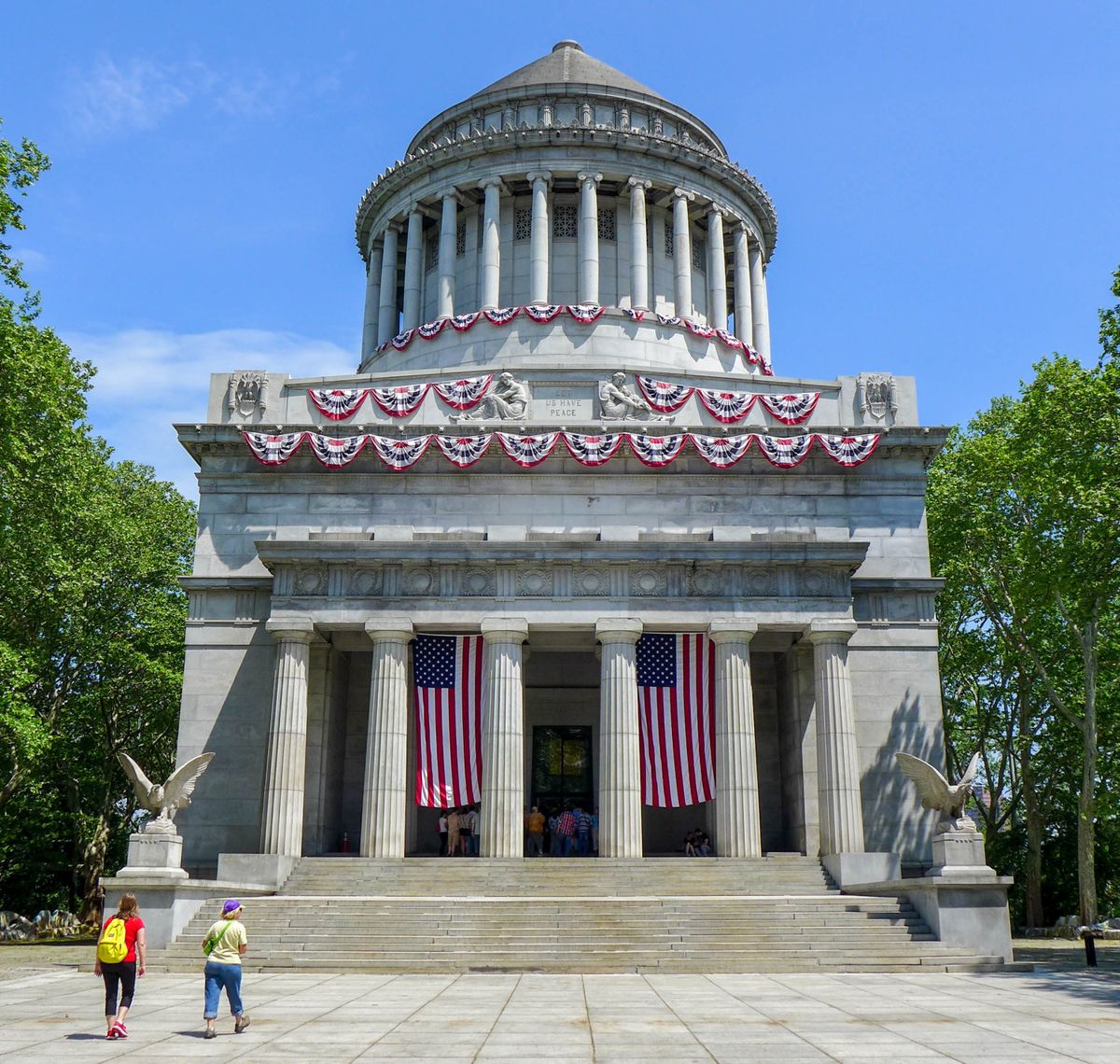
General Grant National Memorial sits in Morningside Heights, where the monument was meant to commemorate the greatest war hero of the Civil War and the 18th president. John Duncan’s winning 1890 design drew on classical precedent, and the tomb was completed in 1897, combining monumental scale with a formal mausoleum type suited to Grant’s national stature. Its dome borrowed from designs of DC’s Capitol Hill.
Buildings and Monuments
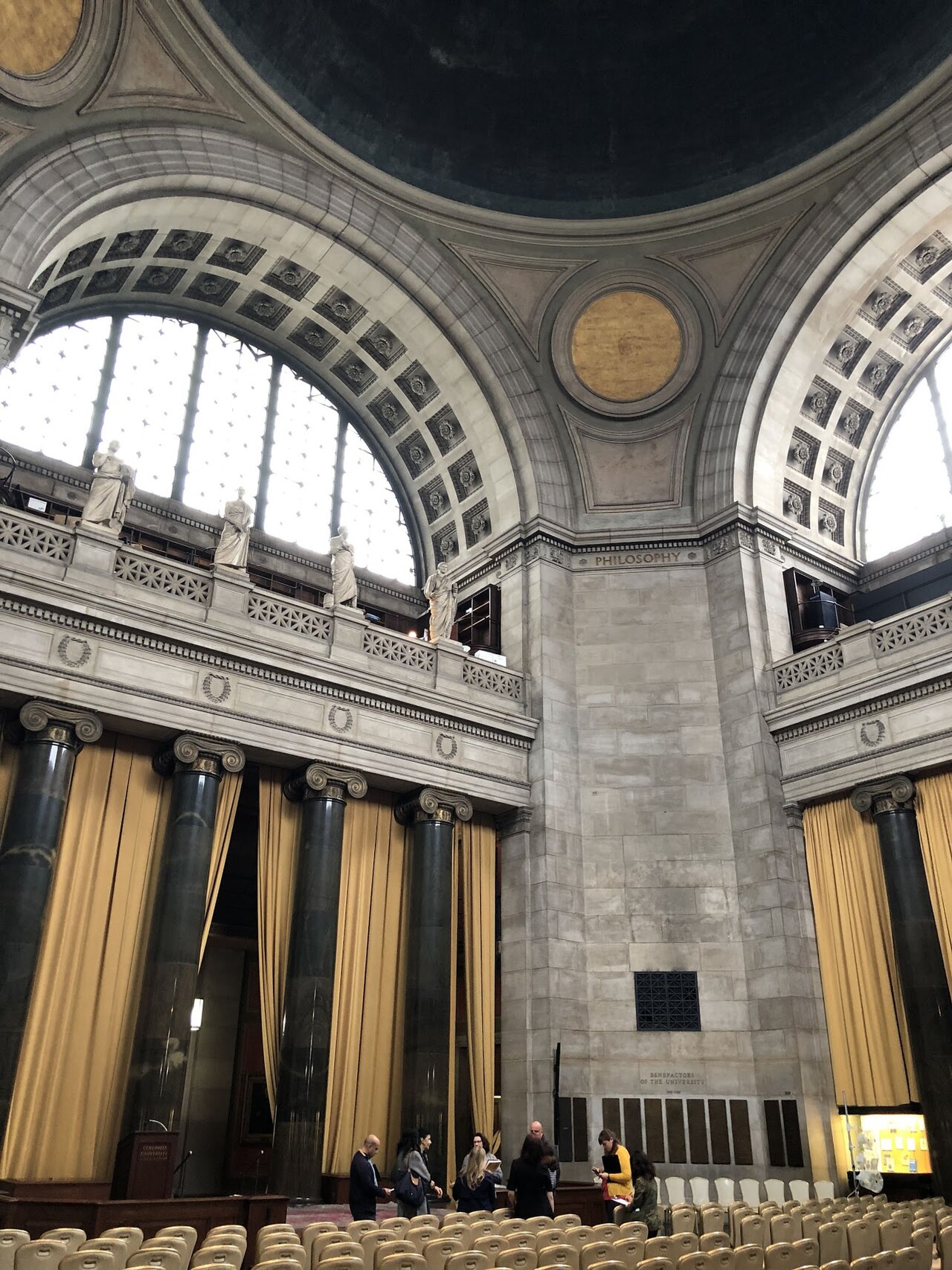
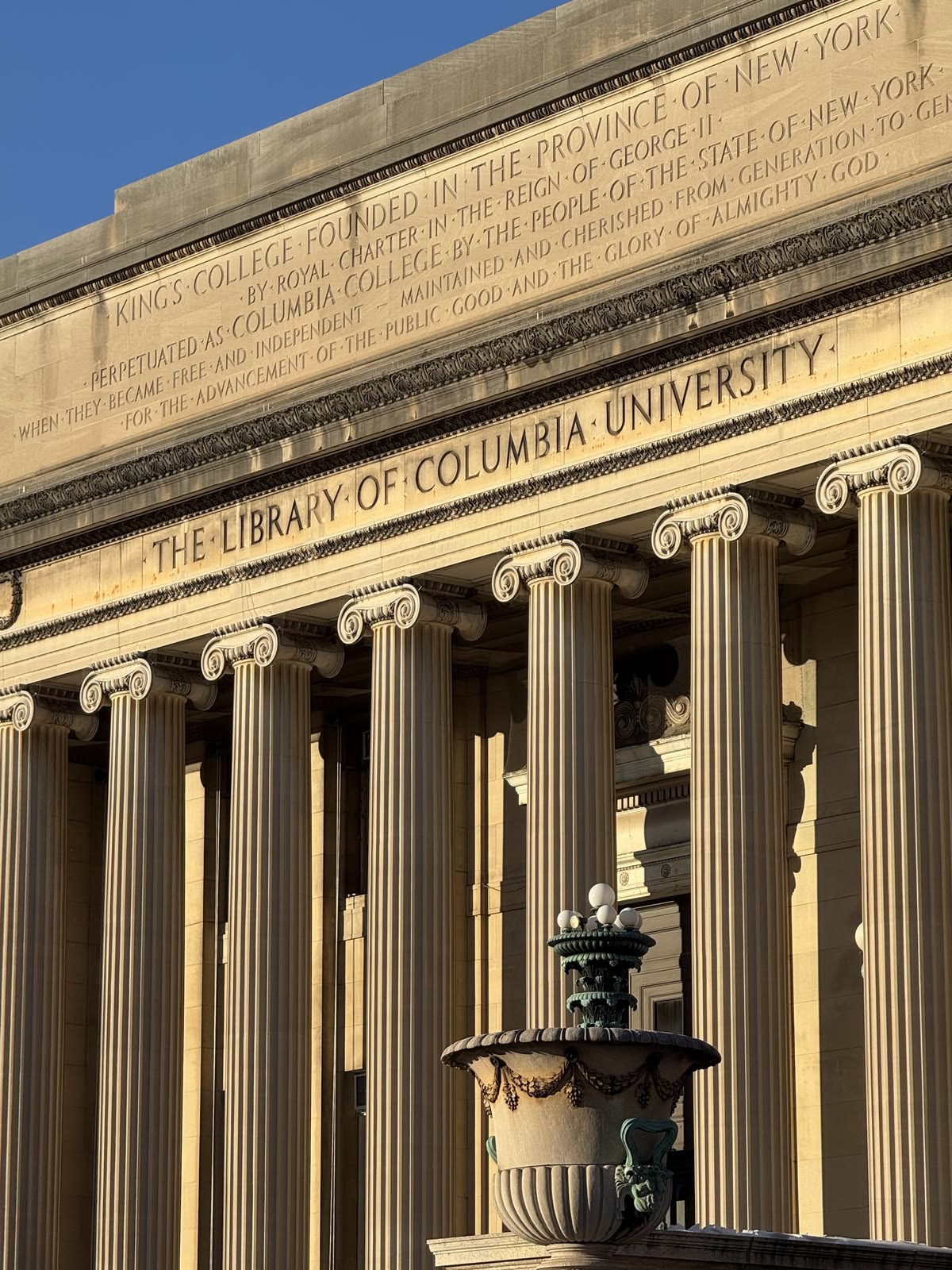
Low Memorial Library
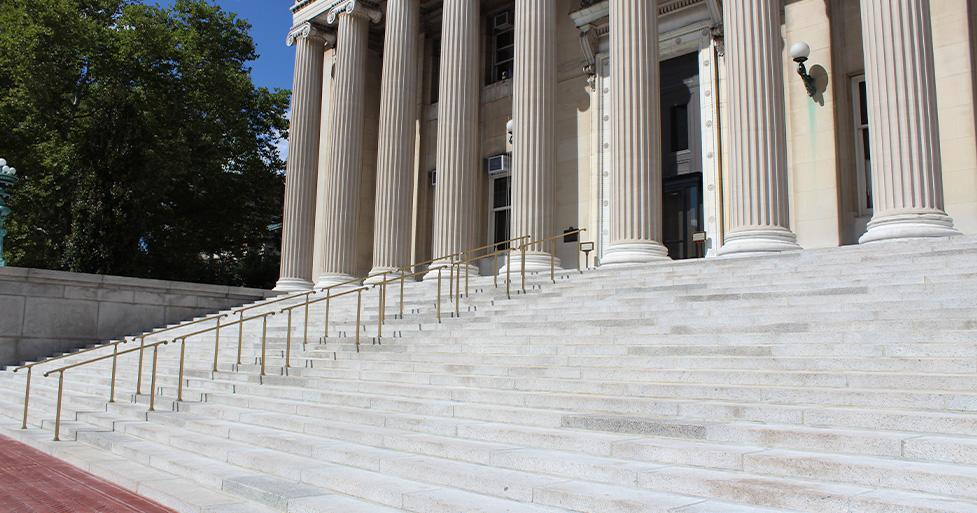
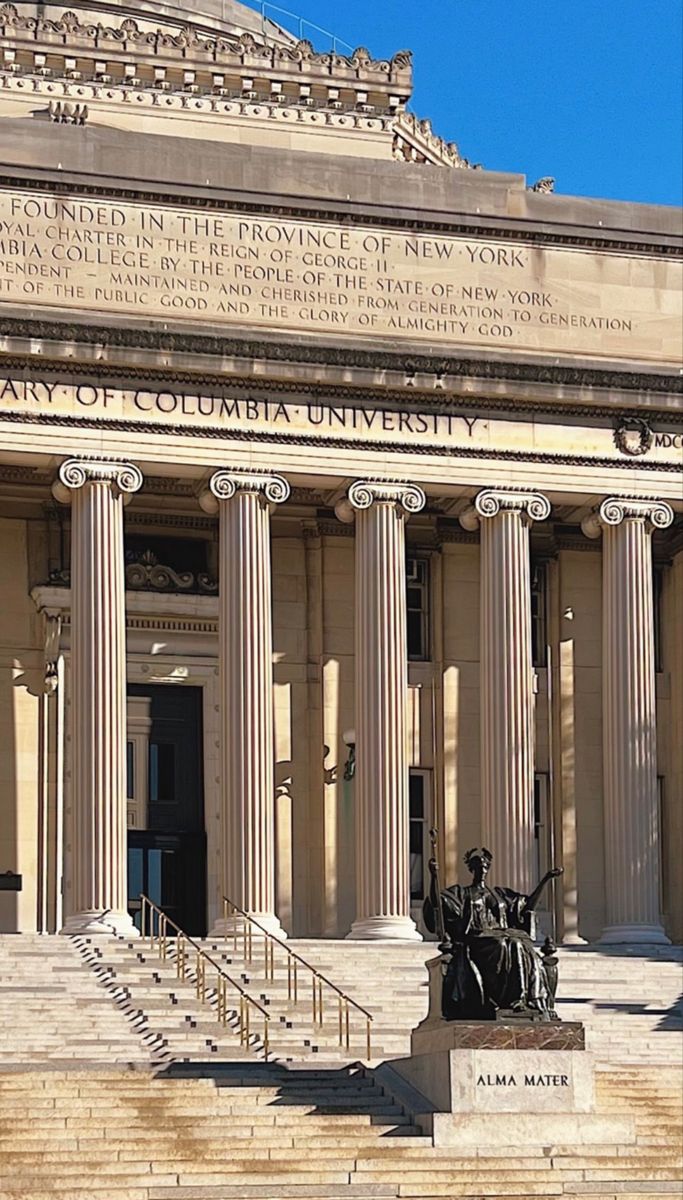
At the center of Columbia’s campus, Low Memorial Library was designed by Charles Follen McKim / McKim, Mead & White and completed in 1897. Though built as the university’s main library, it now functions as Columbia’s administrative heart, which gives the building a different kind of institutional weight. Its design is distinctly neoclassical—modeled in part on ancient Roman precedents—so it reads less like a practical library box and more like a ceremonial academic monument.
Museums and Culture
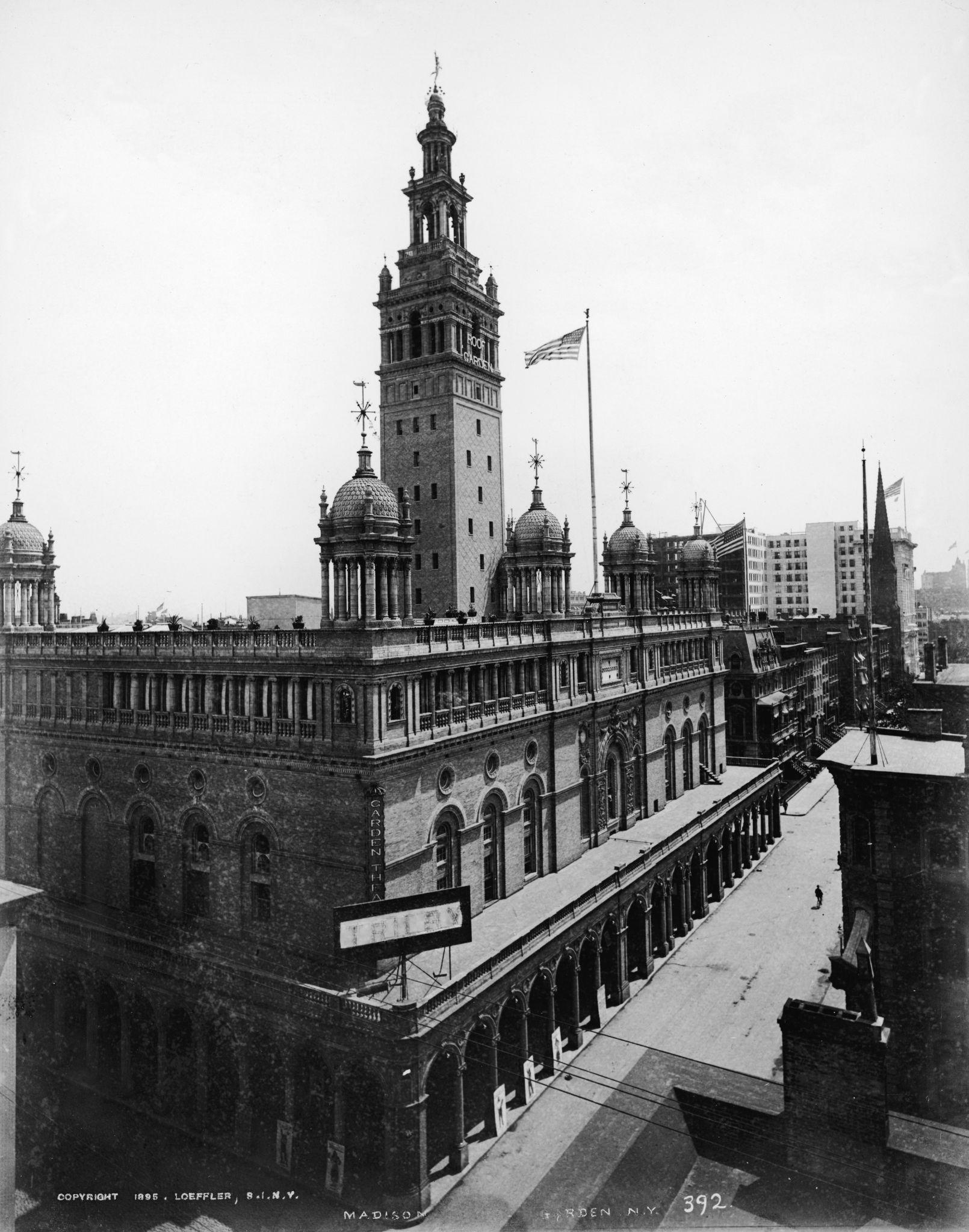
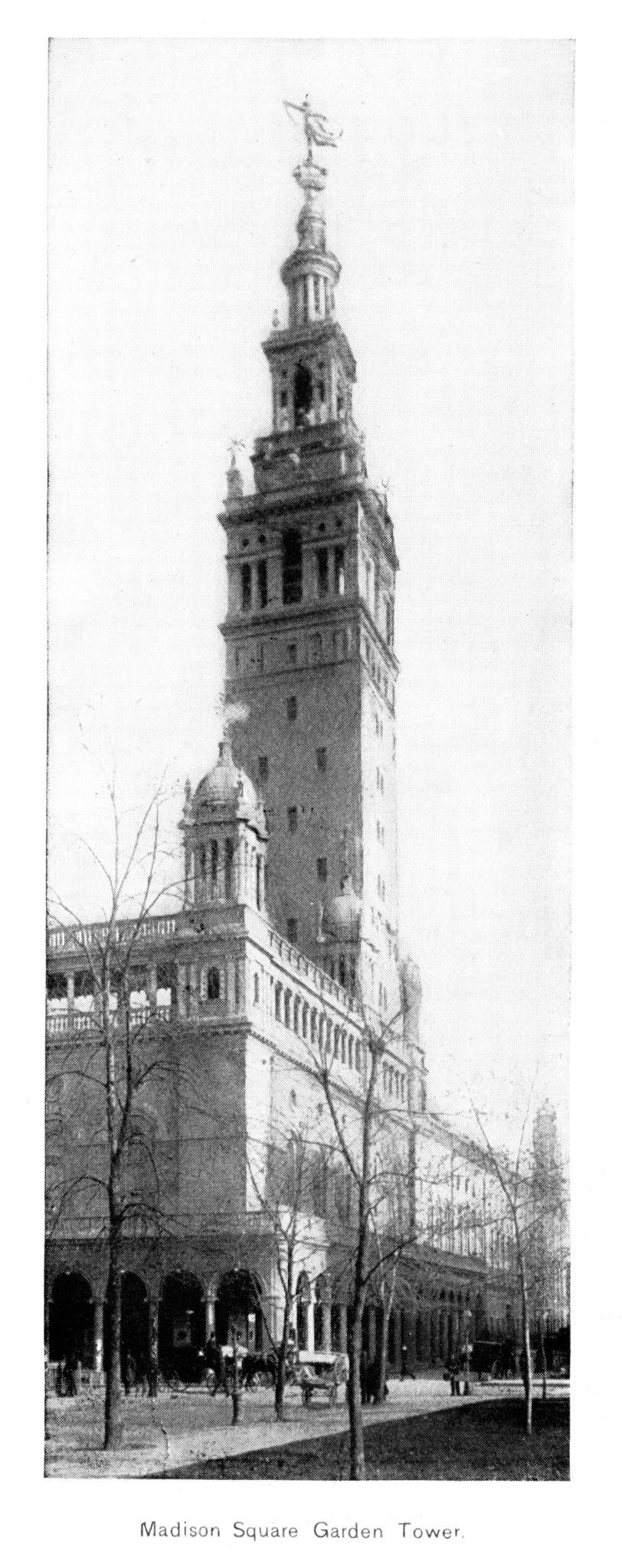
Madison Square Garden
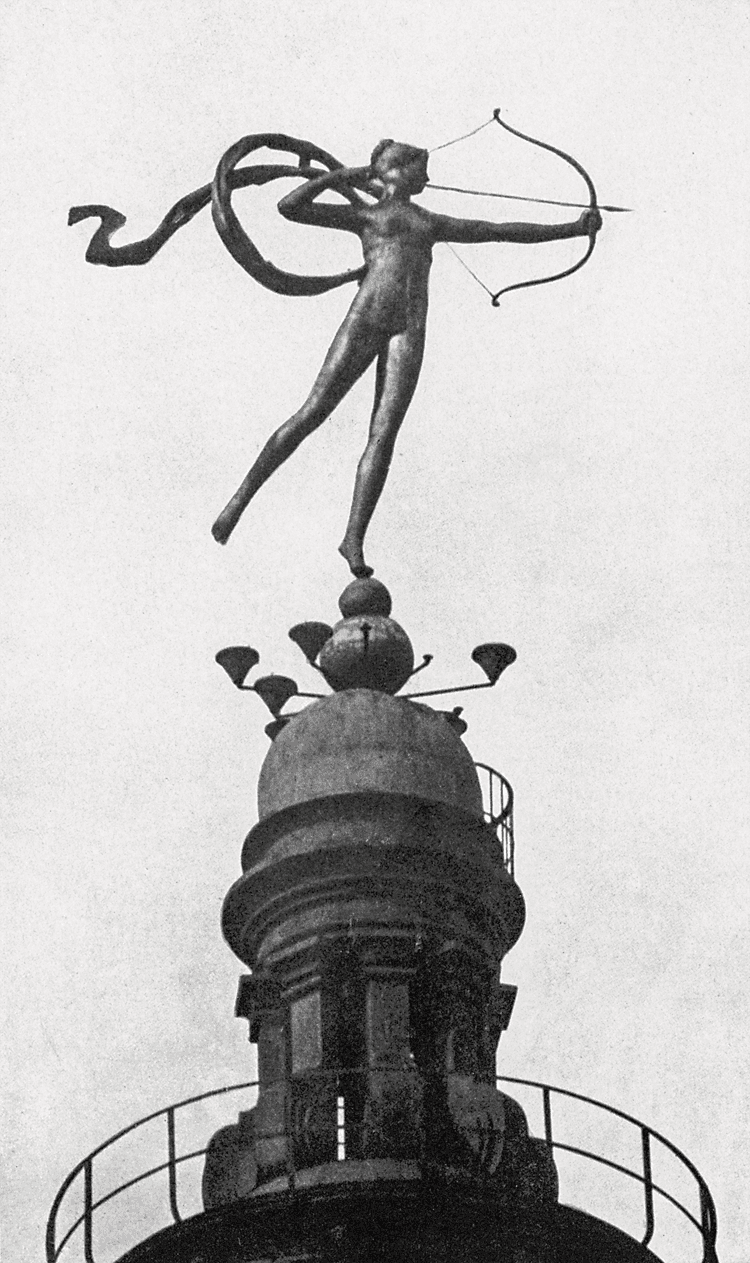
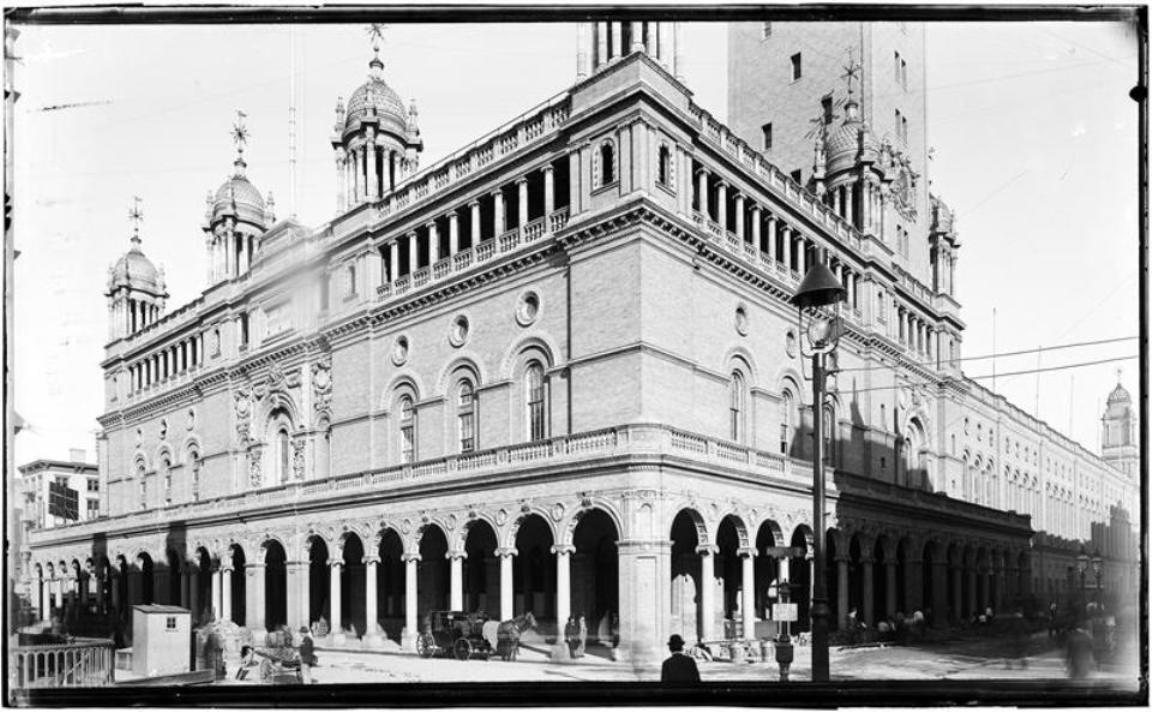
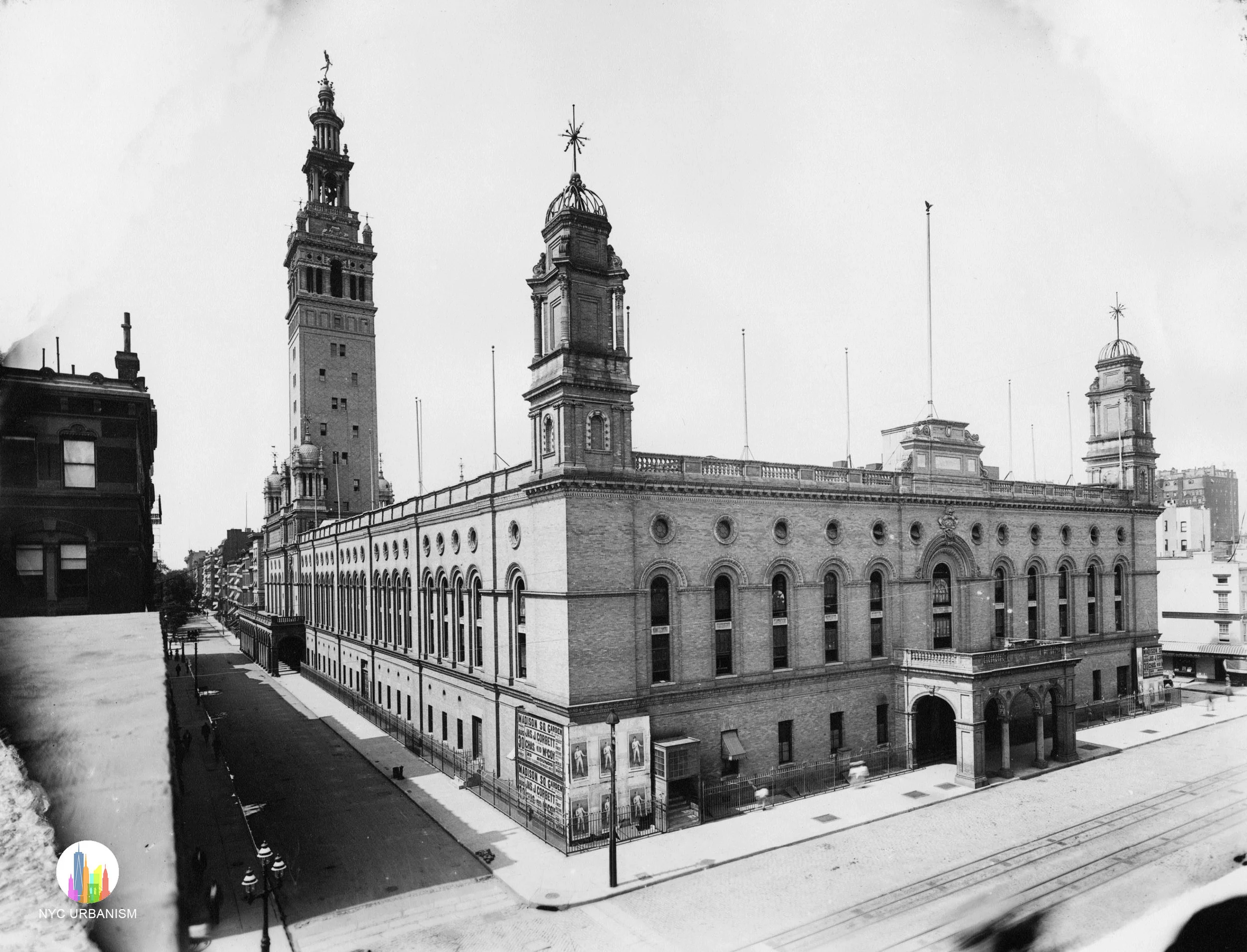
Stanford White’s second Madison Square Garden (1890) was a lavish Beaux-Arts complex in New York City that combined a large indoor arena, a theater, restaurants, and a rooftop garden for performances and social events. Its most striking feature was a 300-foot Moorish-inspired tower modeled loosely on the Giralda in Seville, topped by a statue of Diana. The building served as a major venue for sporting events, political conventions, concerts, and high-society entertainments, making it a cultural hub of Gilded Age New York. Financed by a syndicate that included J. P. Morgan, it reflected the era’s taste for grandeur and spectacle. The Garden was demolished in 1925 and replaced by the New York Life Building (51 Madison, corner of 24th), but it remains famous both for its architectural ambition and as the site connected to White’s 1906 murder
Infrastructure and Transit
Manhattan Bridge
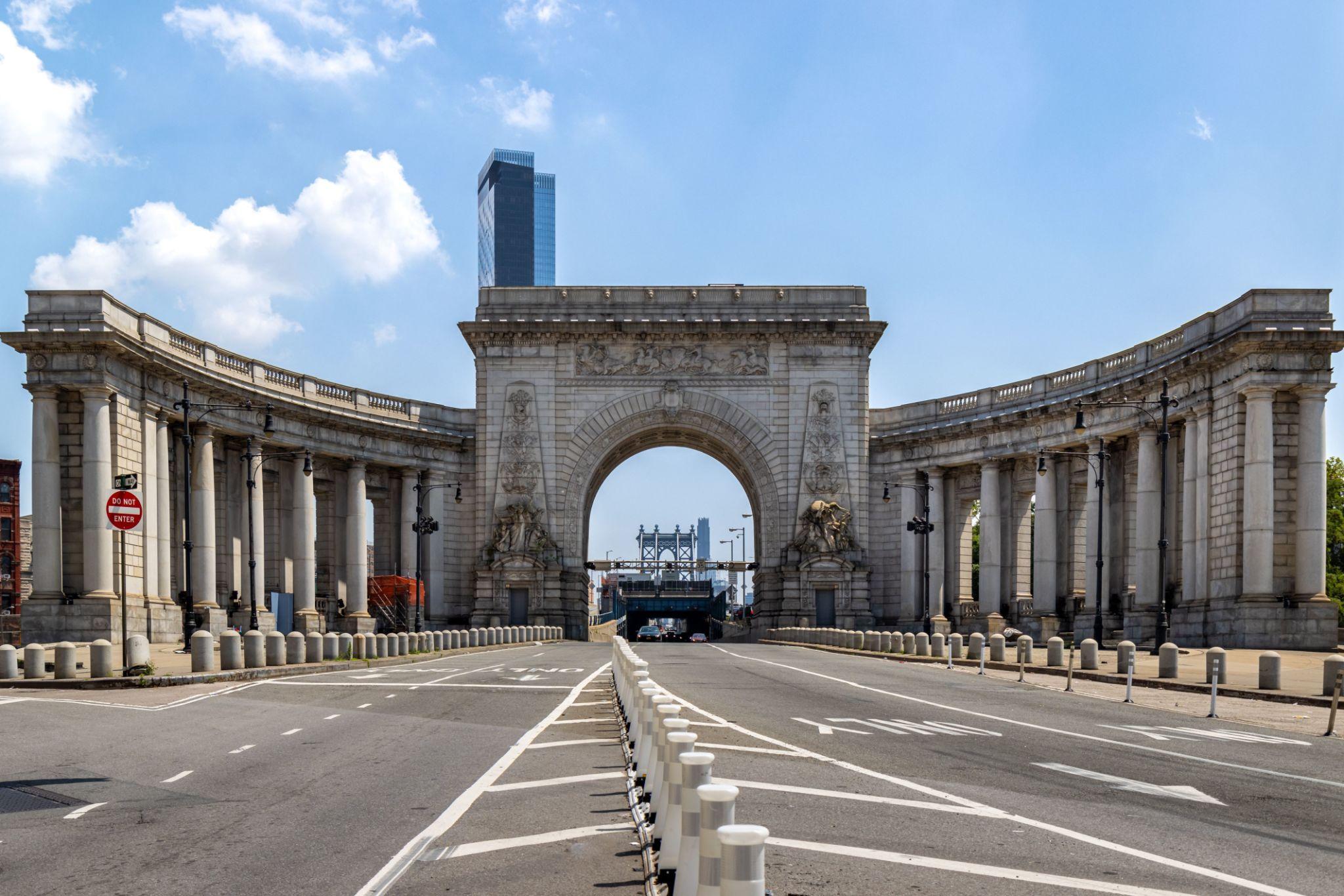
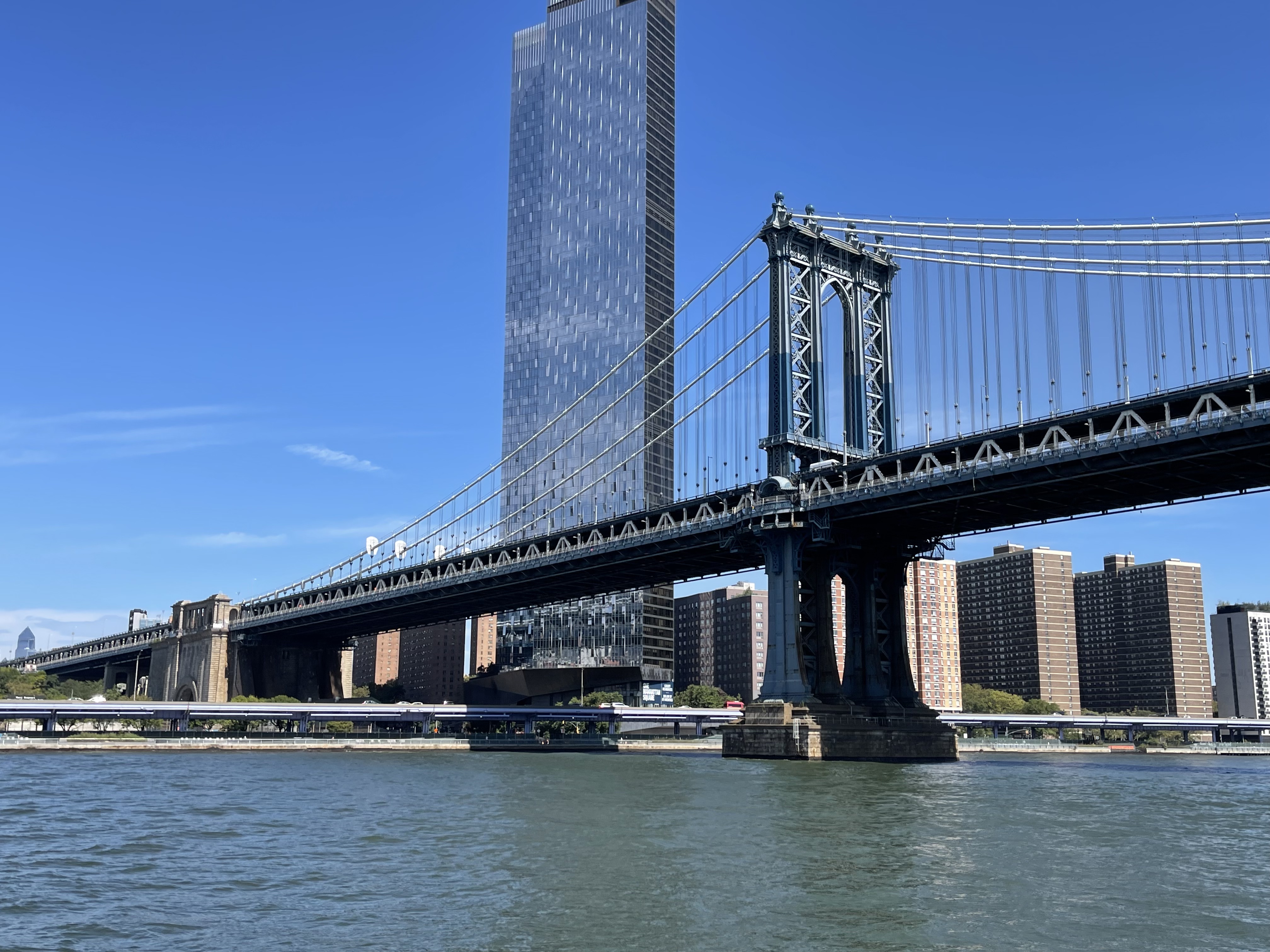
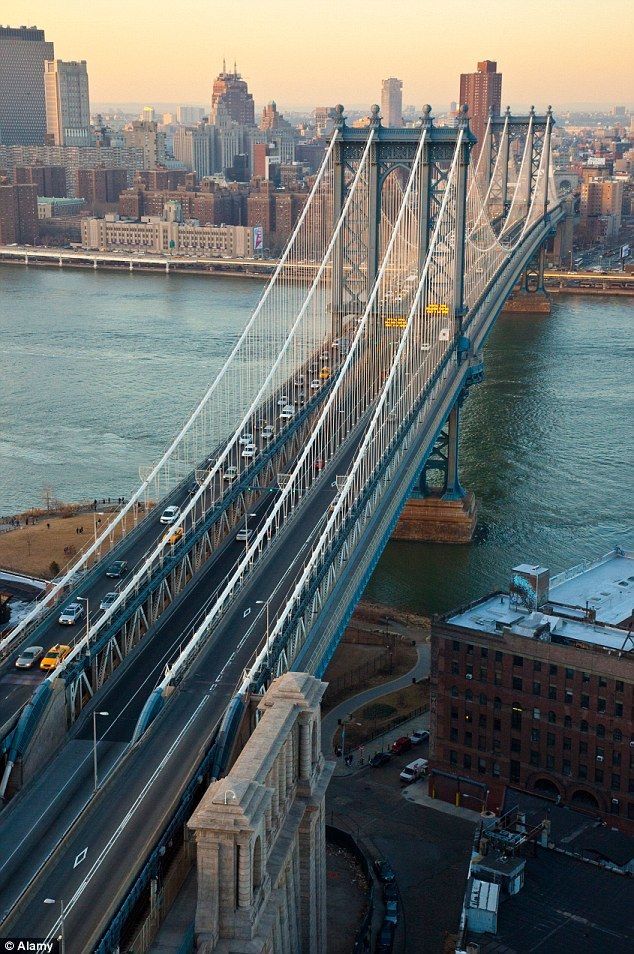
Completed in 1909, the Manhattan Bridge linked Canal Street in Lower Manhattan to Brooklyn at a moment when the city was rapidly consolidating across the East River. Engineer Leon Moisseiff designed the suspension bridge, while Carrère and Hastings gave the Manhattan approach its formal stone portal and plaza, turning infrastructure into a ceremonial urban entrance.


Government Landmarks
Manhattan Municipal Building
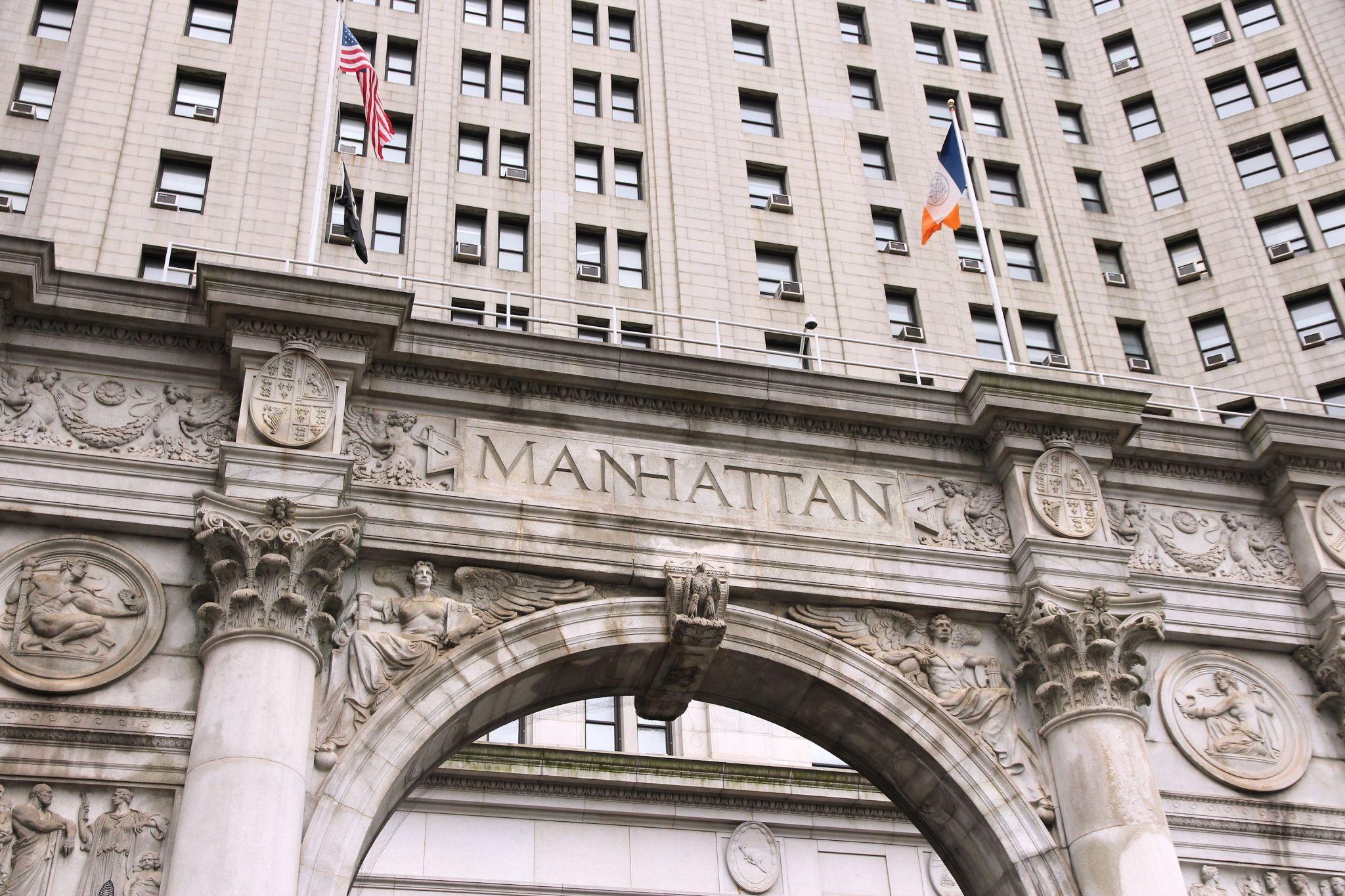
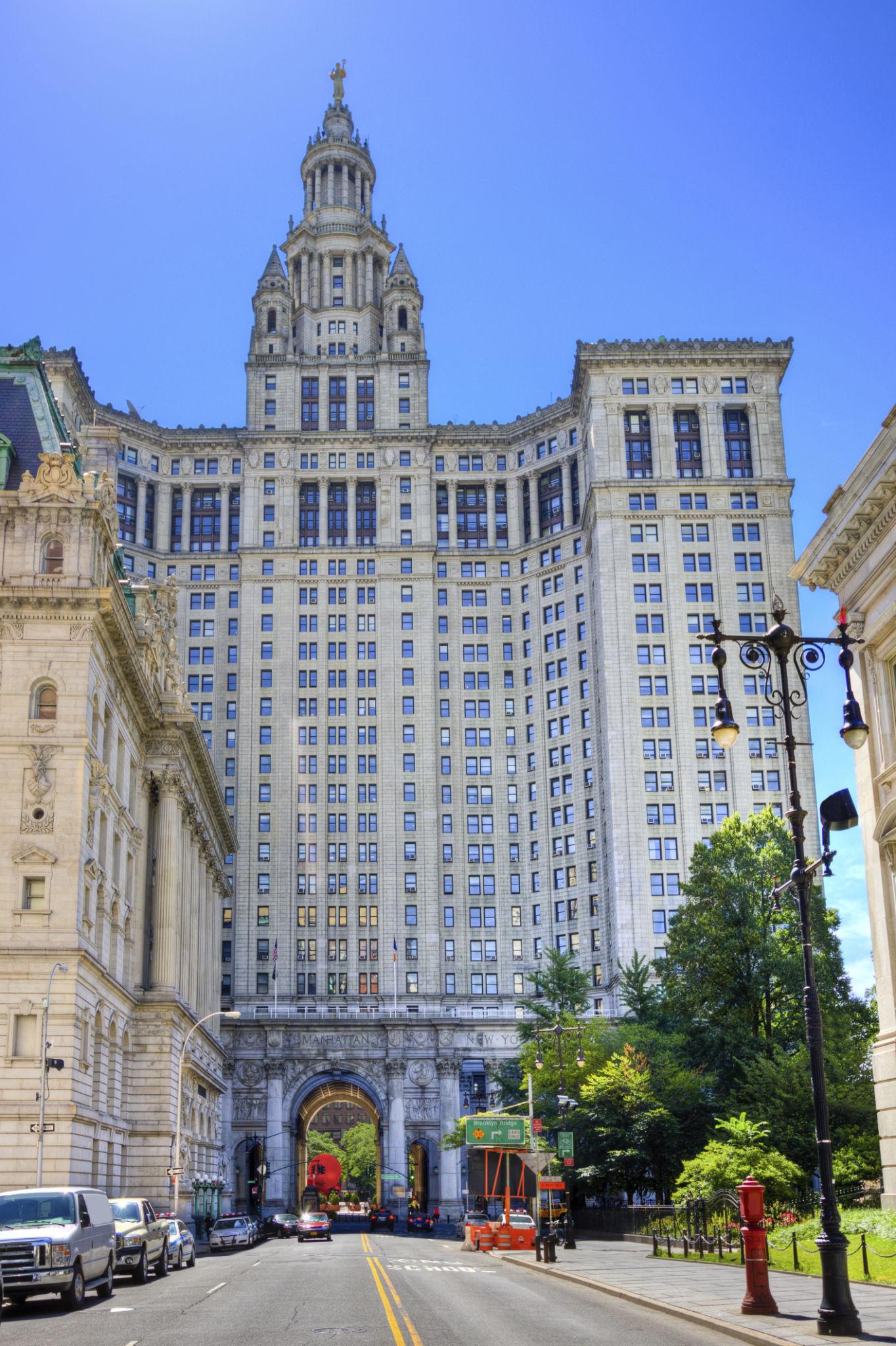
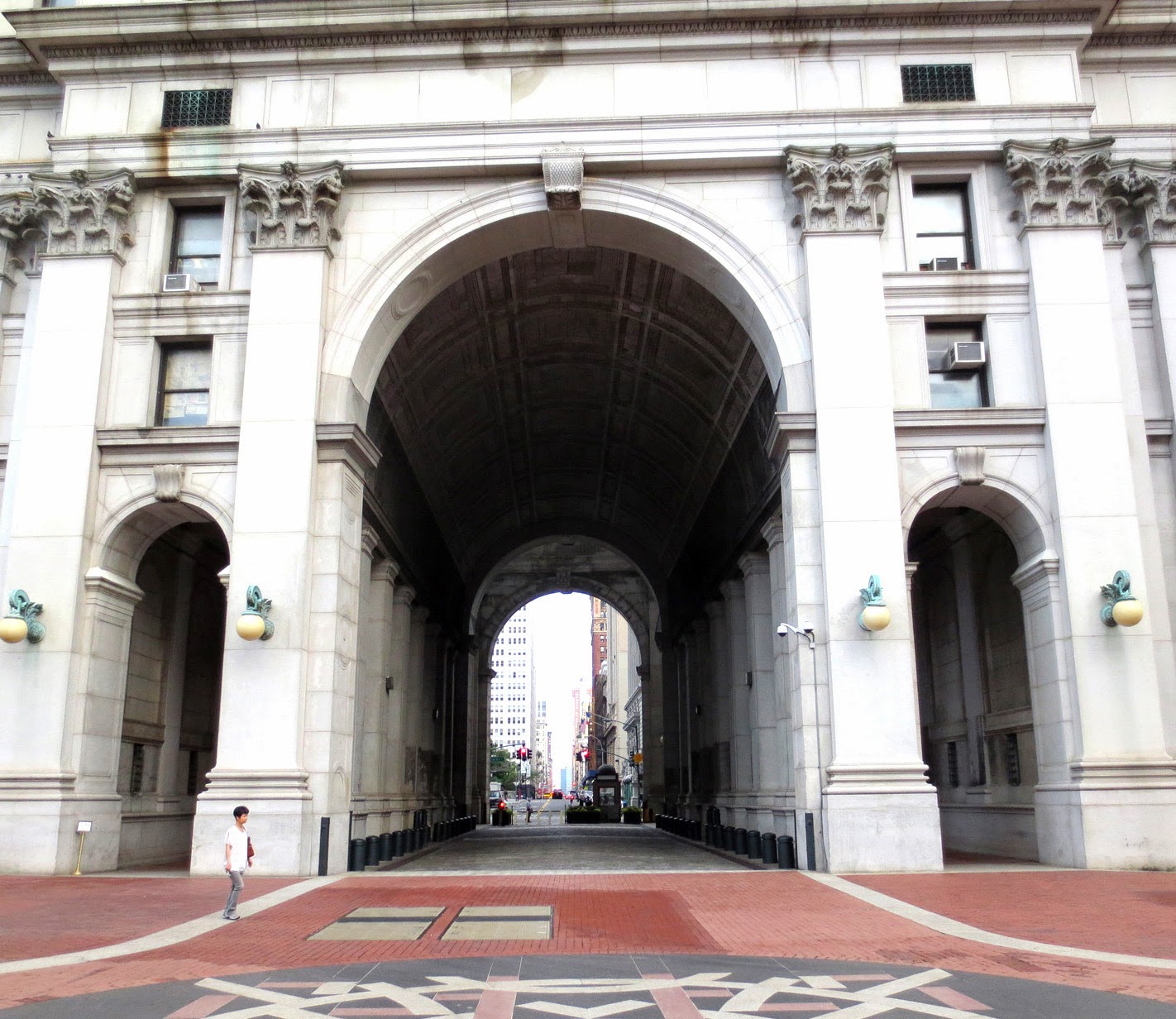
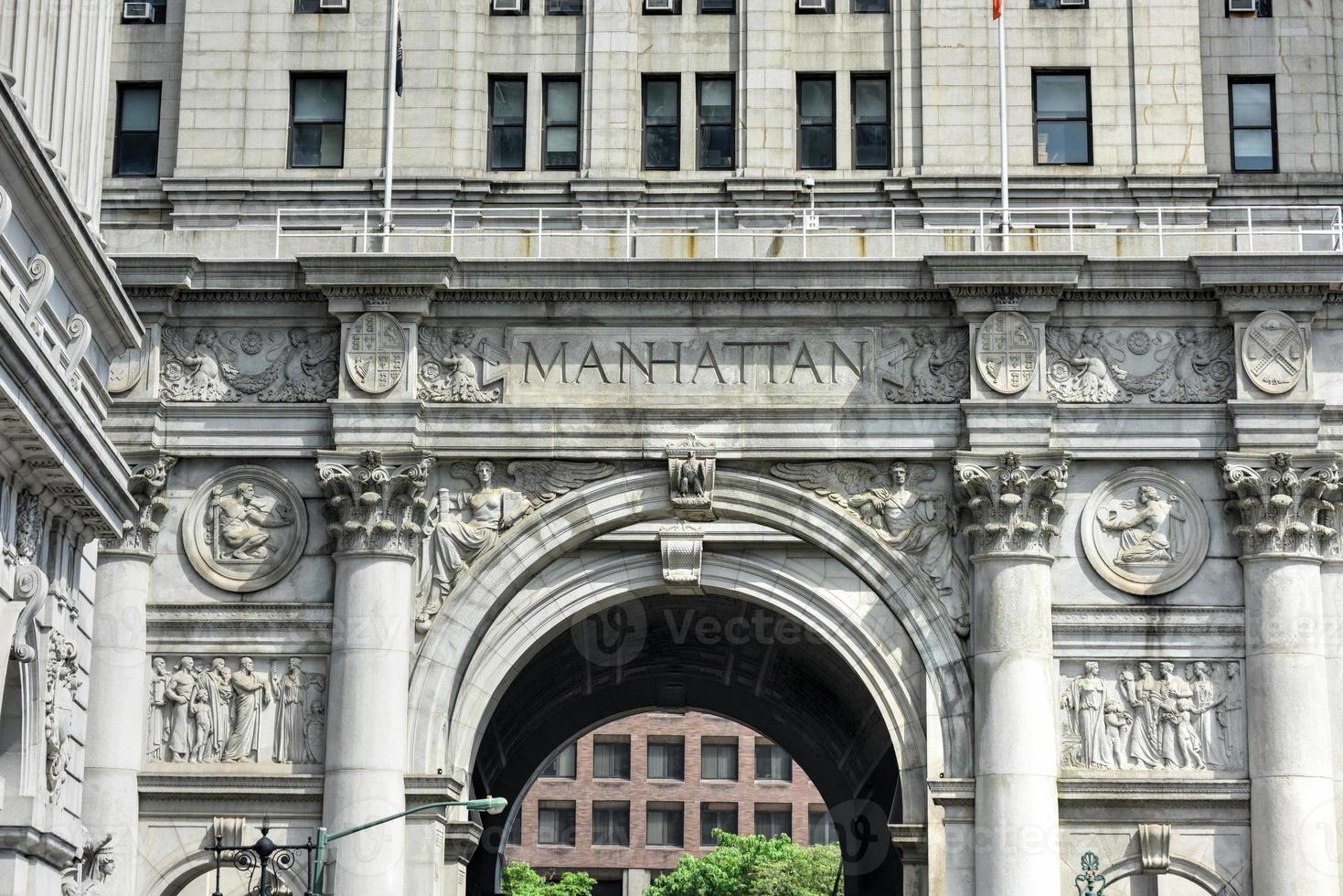
Rising at 1 Centre Street beside City Hall Park, the Manhattan Municipal Building was constructed from 1909 to 1914 as a centralized headquarters for New York’s expanding municipal government. William M. Kendall of McKim, Mead & White designed it as a monumental civic skyscraper, using a Beaux-Arts-inflected classical language to give administrative offices the scale and symbolism of a public institution.

Clubs and Hotels
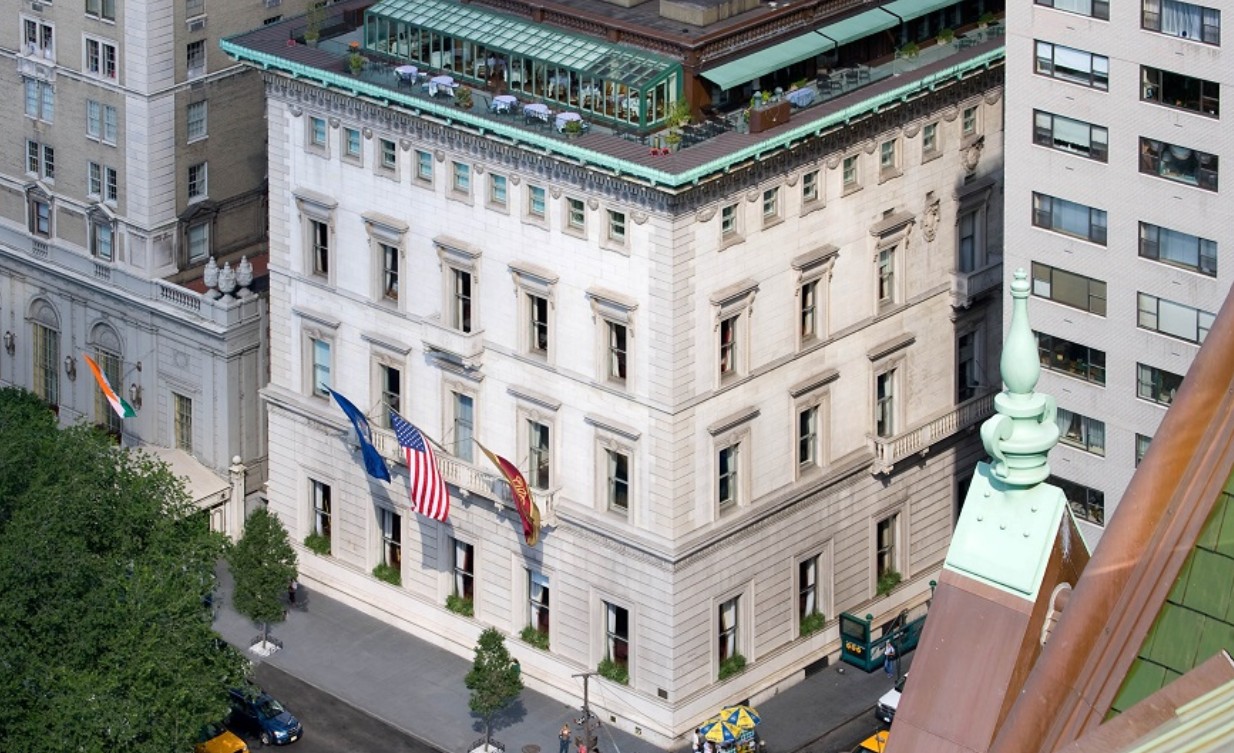
Metropolitan Club
1 East 60th Street
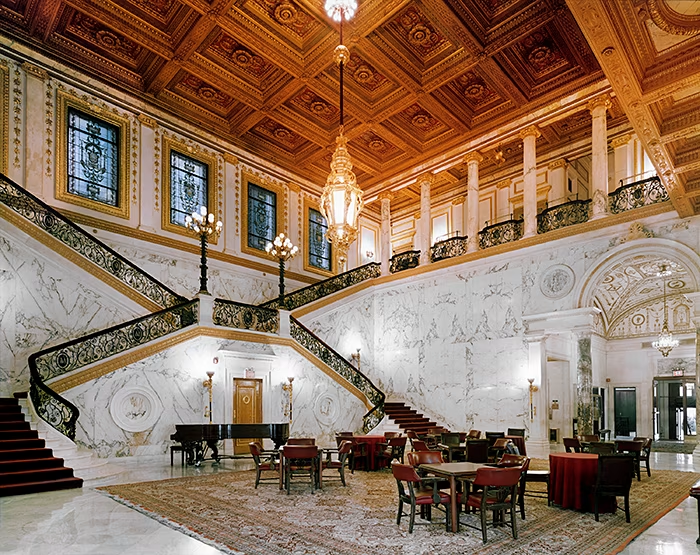
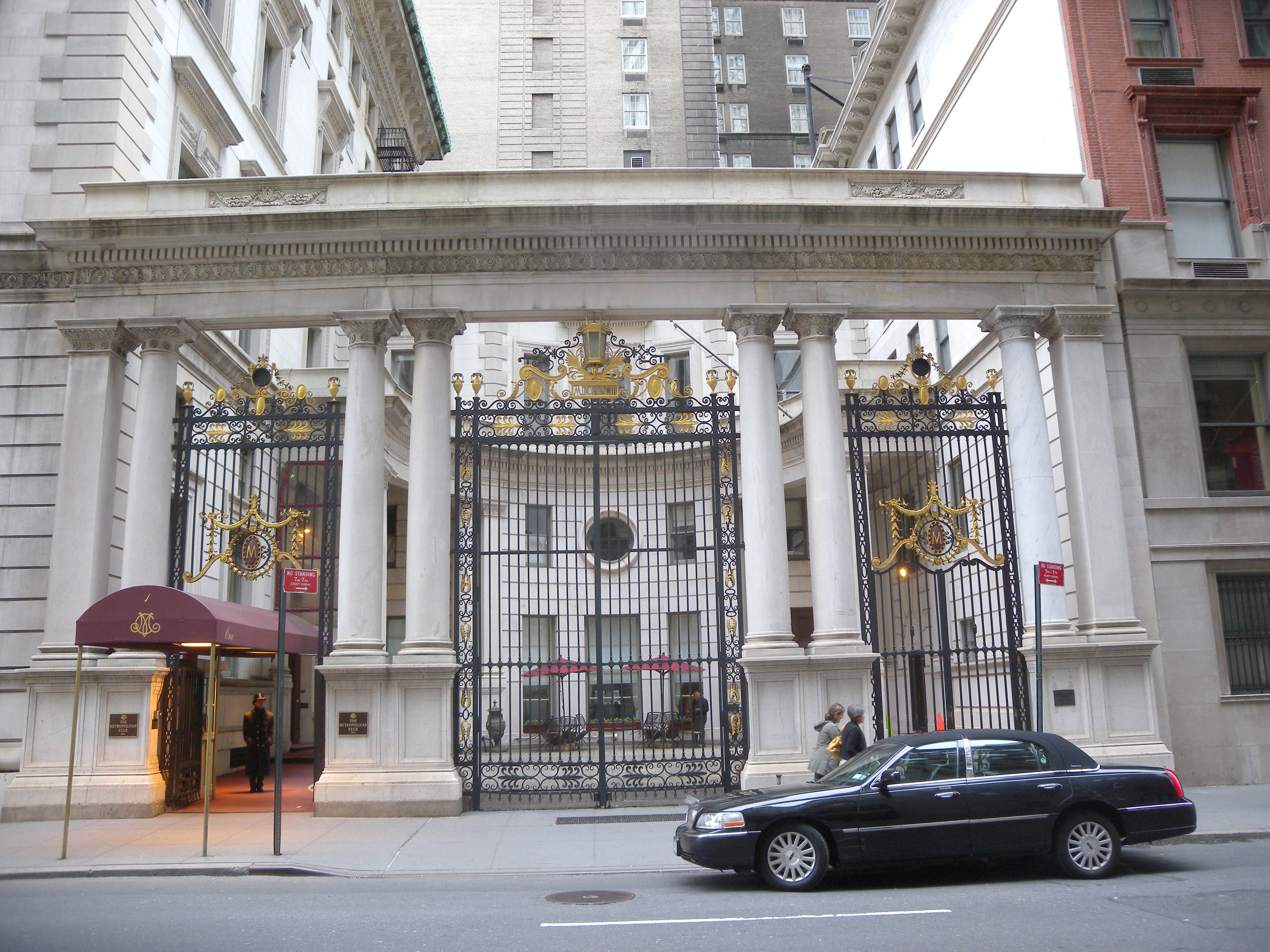
Founded in 1891 by J. P. Morgan after he was snubbed by older clubs, the Metropolitan opened in 1894 and quickly became the gathering place for America’s financial aristocracy. Its Fifth Avenue mansion symbolized late Gilded-Age wealth. Designed by McKim, Mead and White.
Government Landmarks
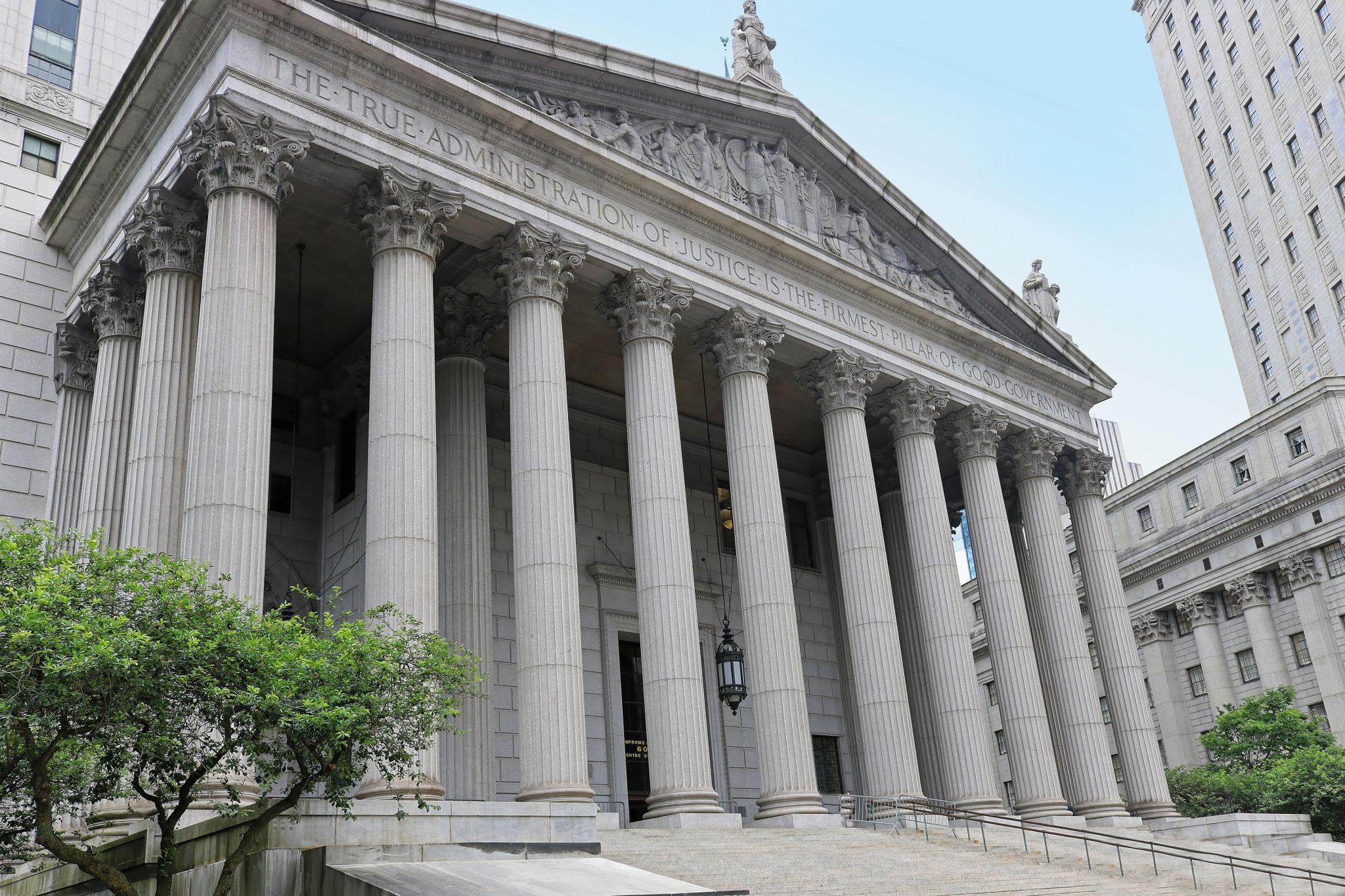
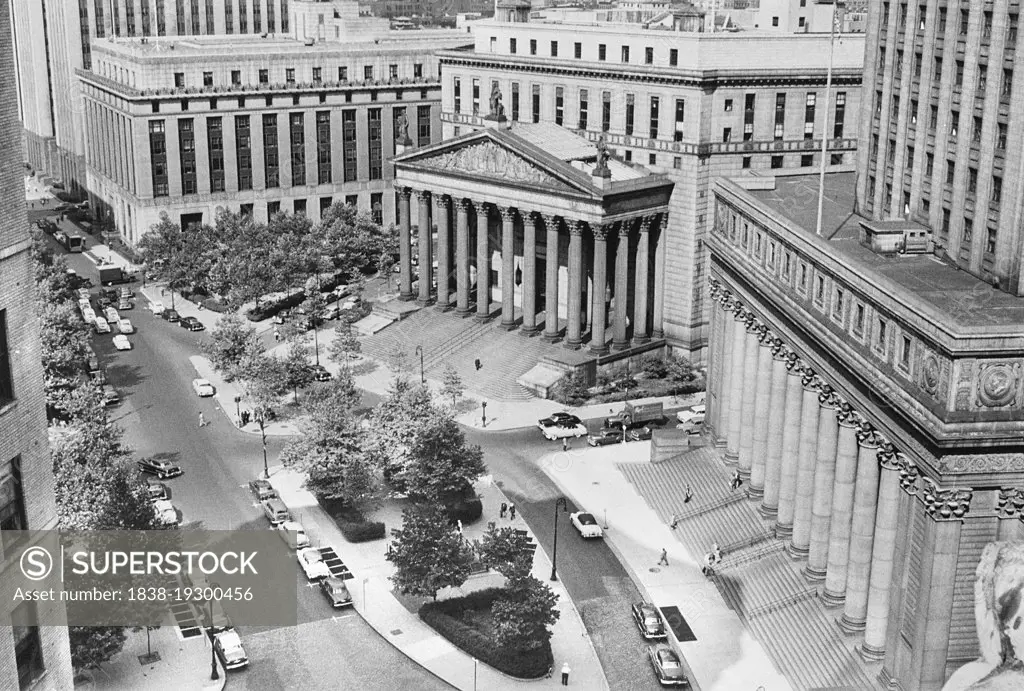
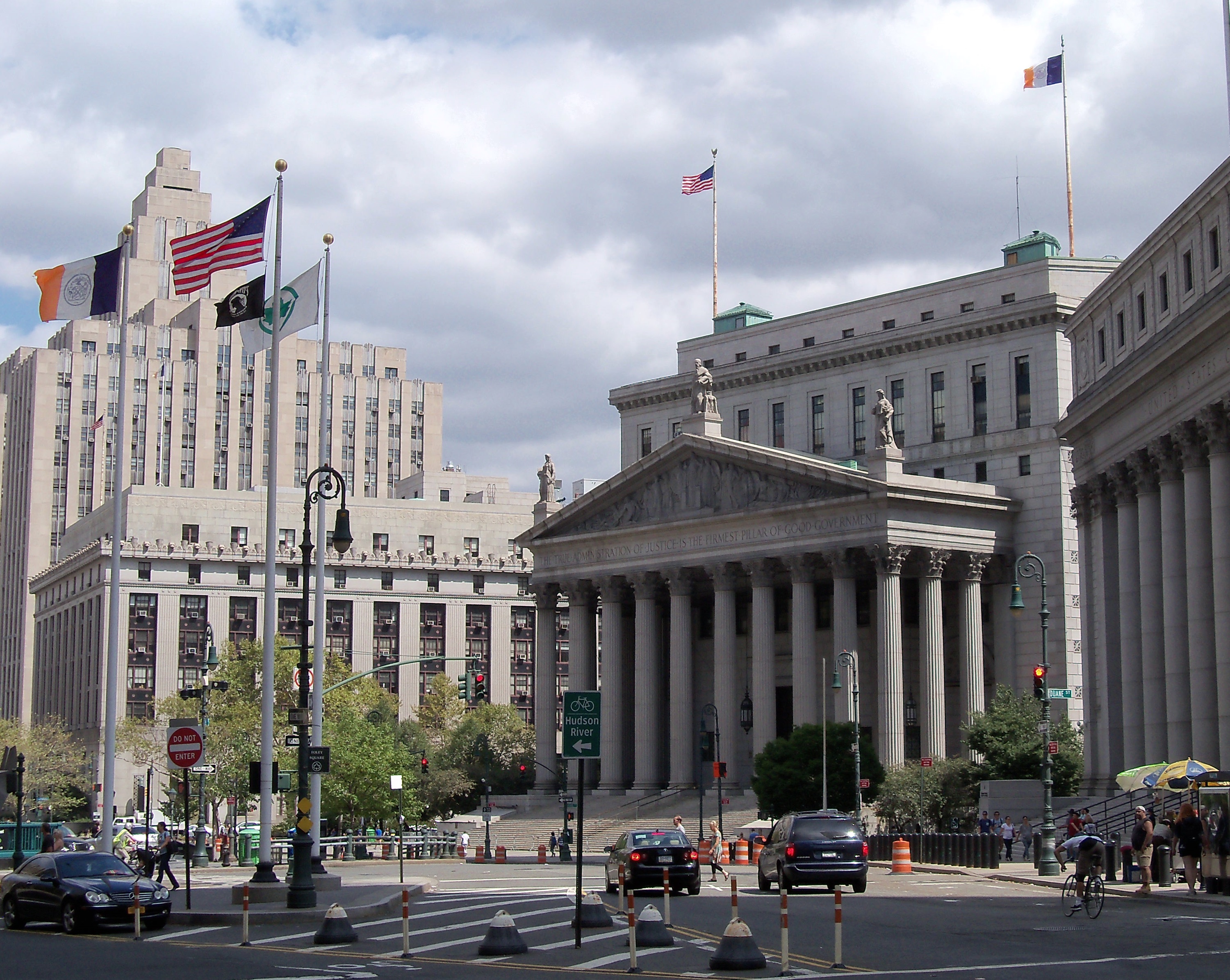
New York County Courthouse
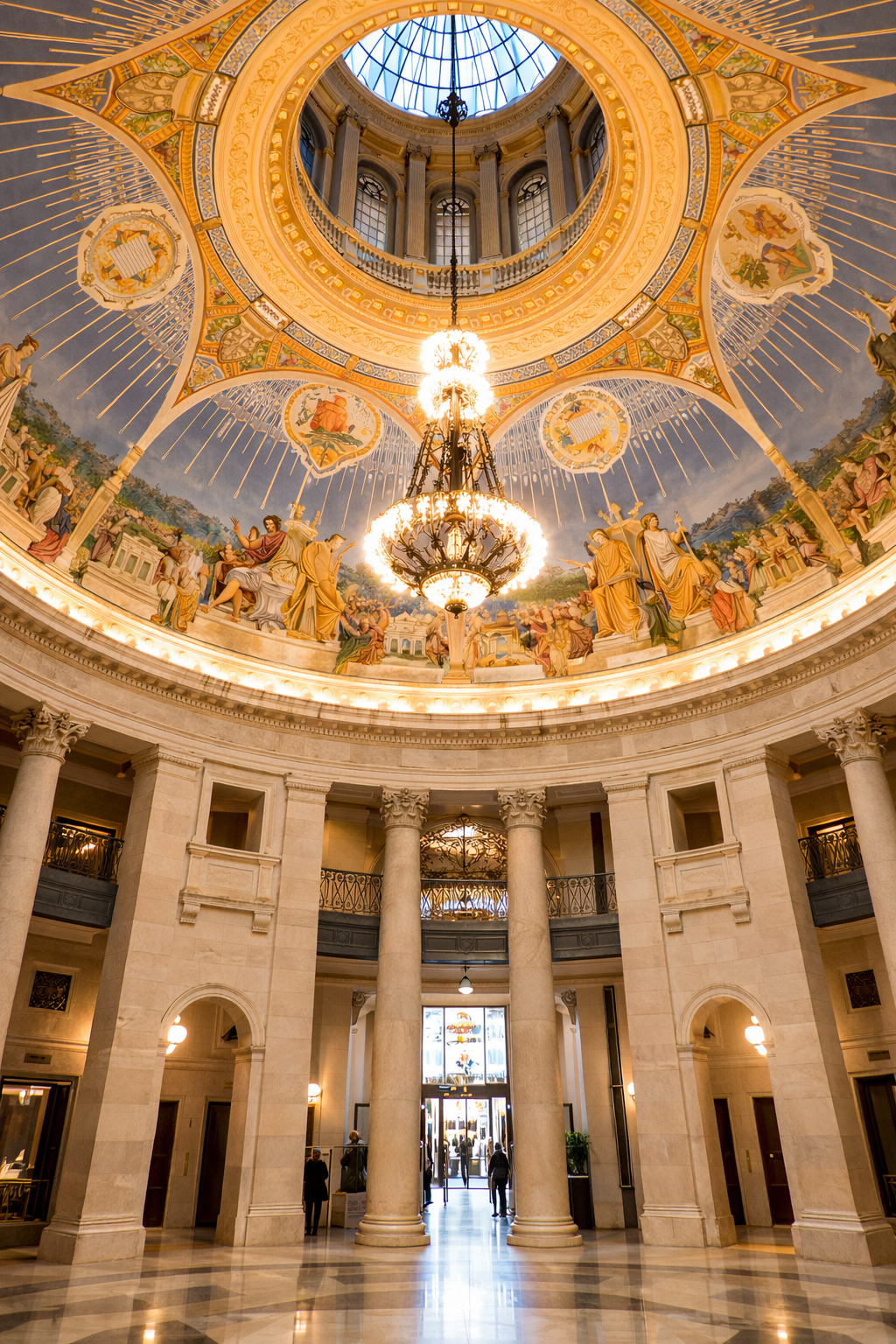
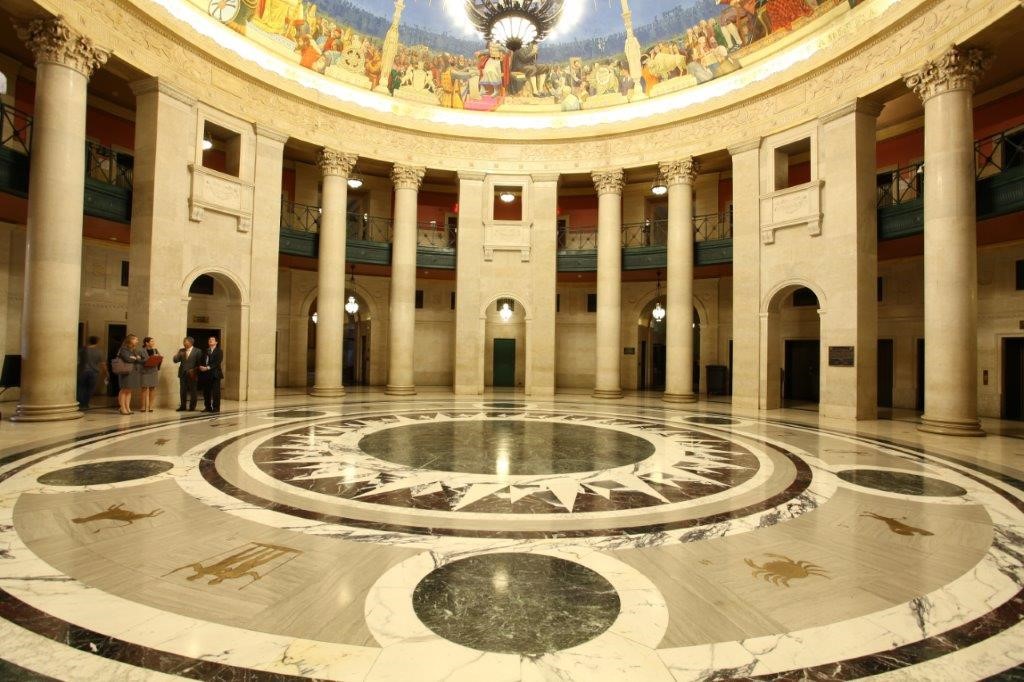
The New York County Courthouse at 60 Centre Street (the Supreme Court building overlooking Foley Square) was selected through a design competition won by Guy Lowell in 1913, then revised and completed after wartime delays. Lowell’s final scheme became a hexagonal, Roman classical “Temple of Justice,” opening in 1927. The architecture is intentionally declarative: a broad stair, giant Corinthian colonnade, and elevated portico that frame the courthouse as a civic stage for law and authority.
Government Landmarks
New York Public Library Stephen A. Schwarzman Building
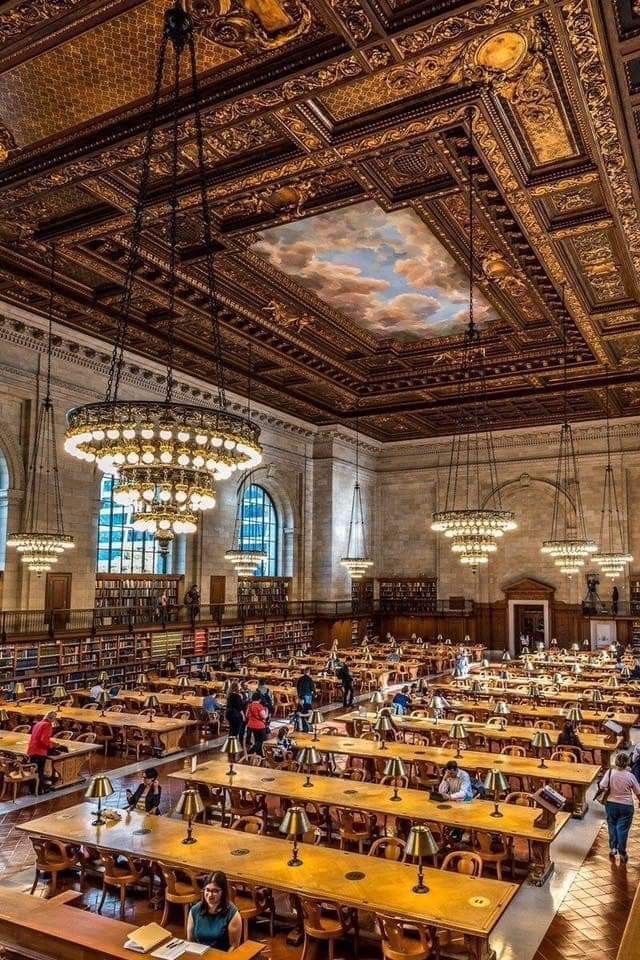
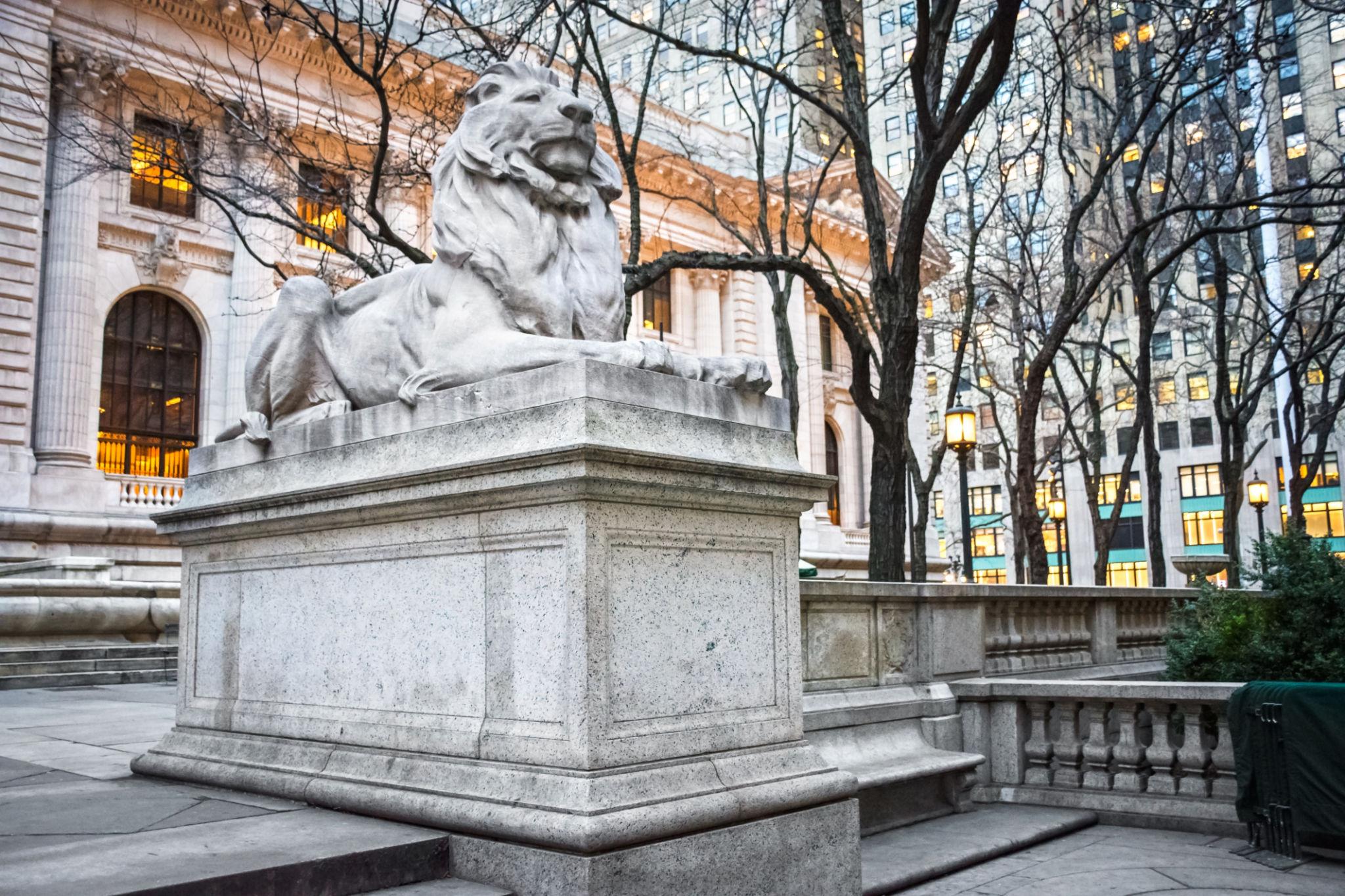
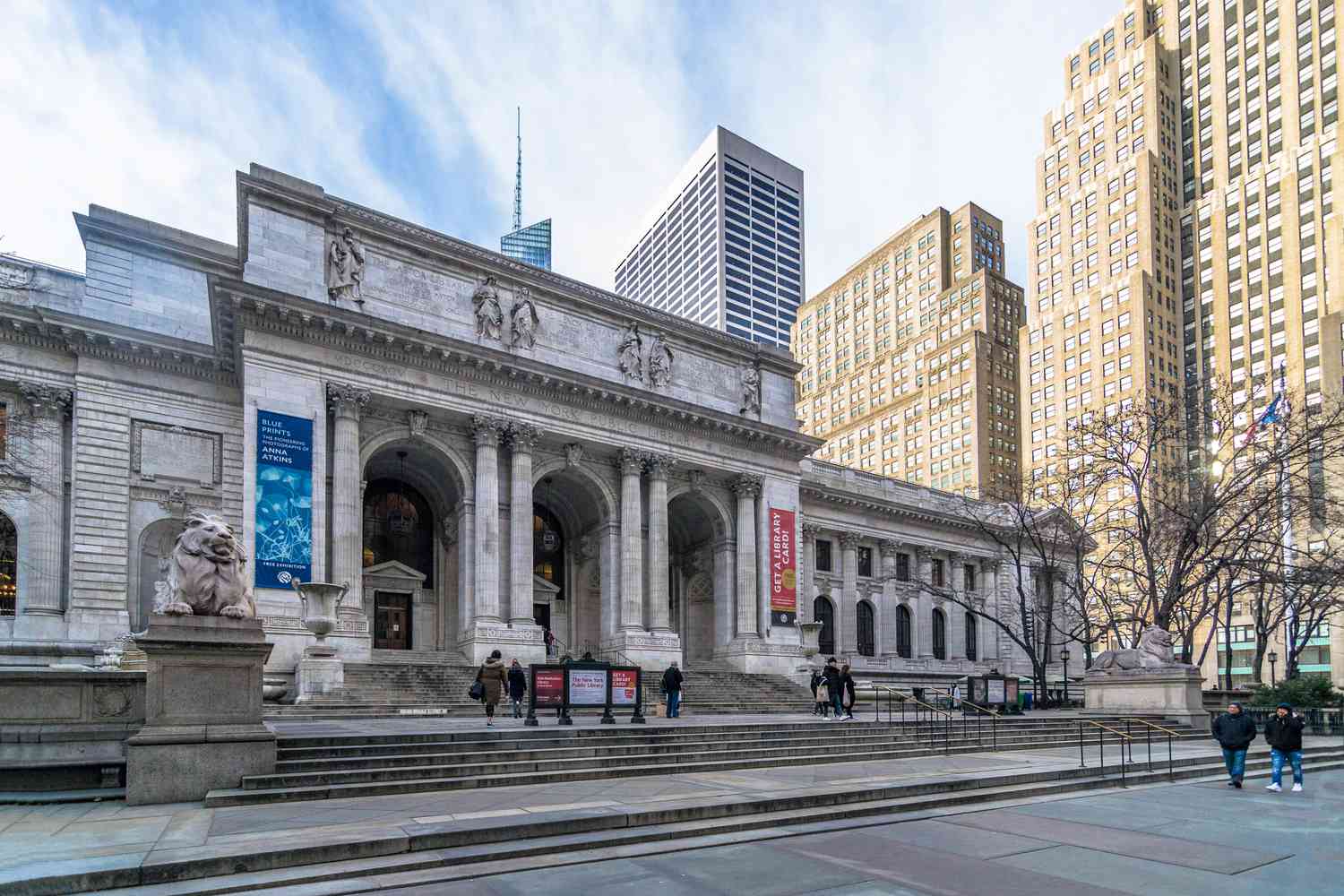
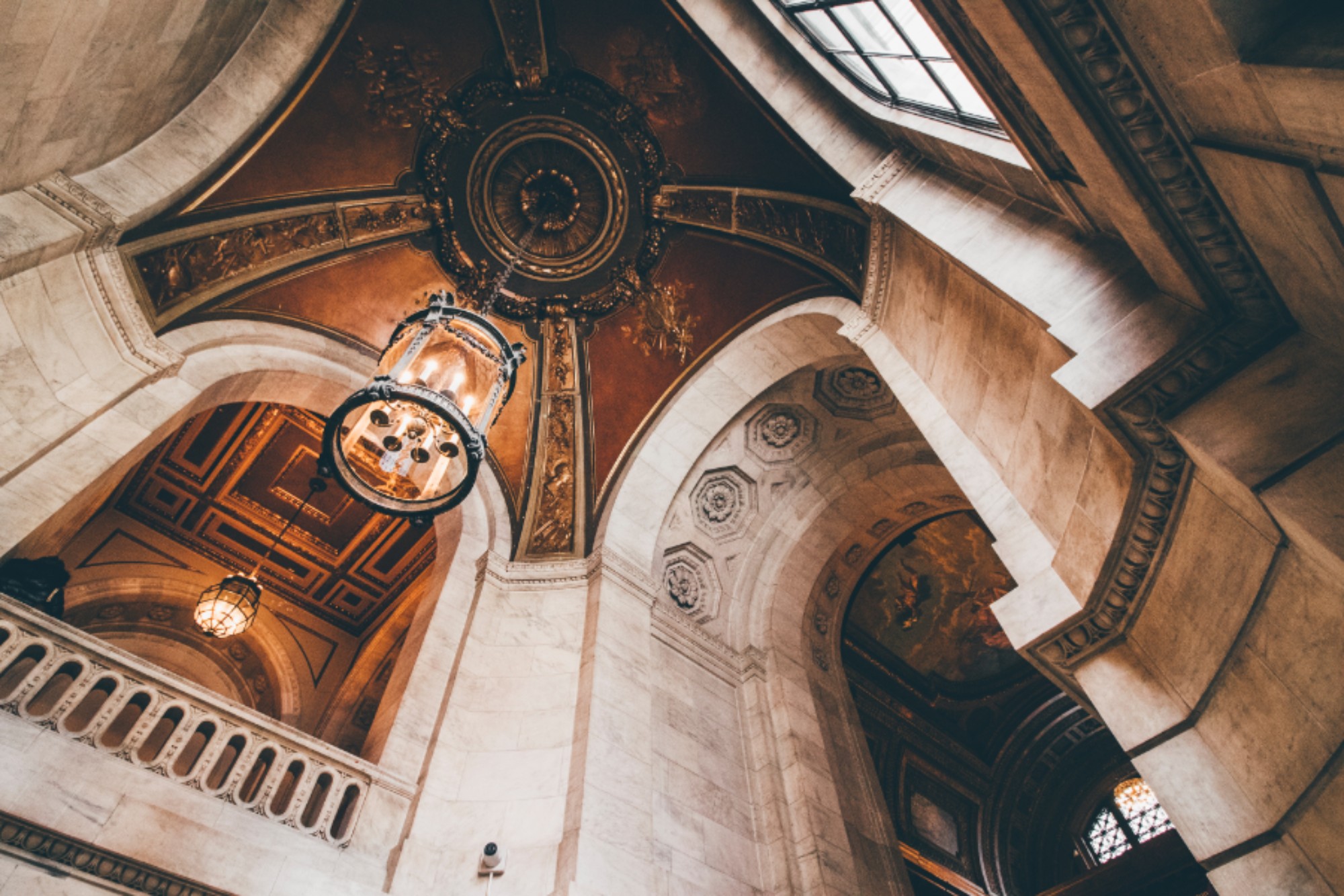
The New York Public Library on Fifth Avenue and 42nd Street is the NYPL’s Beaux-Arts flagship and one of the clearest examples of architecture used to project public culture. Carrère and Hastings designed not just the building shell but also much of the interior furniture and fittings, which helps explain why the whole building feels so unified. An absolute masterpiece, the library opened in 1911 as a monumental civic institution built around access, research, and urban scale. The Rose Reading Room ceiling is one of New York’s great treasures. An open, luminous, skyline ceiling that is a singular work of art.

Government Landmarks
New York Stock Exchange Building
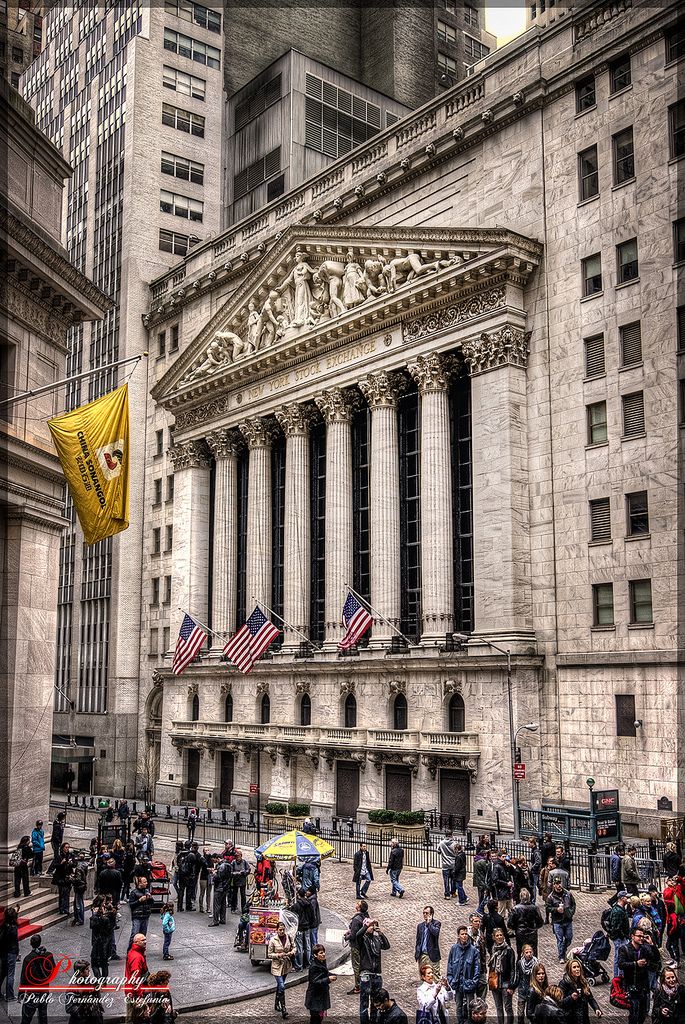
At 18 Broad Street, the New York Stock Exchange Building has housed the nation’s principal securities market since its 1903 completion. An original Beaux Arts classic designed by George B. Post, its Broad Street frontage uses a giant neo-classical portico and colonnades to project the security & confidence the Exchange wanted the building to convey. An American icon, a symbol of industry & commerce, the annex of 11 Wall Street was subsequently designed by Trowbridge & Livingston (see B.Altman & St. Regis). It remains one of the most recognizable architectural symbols of Wall Street and American economic power in the world.


Infrastructure and Transit
Pennsylvania Station
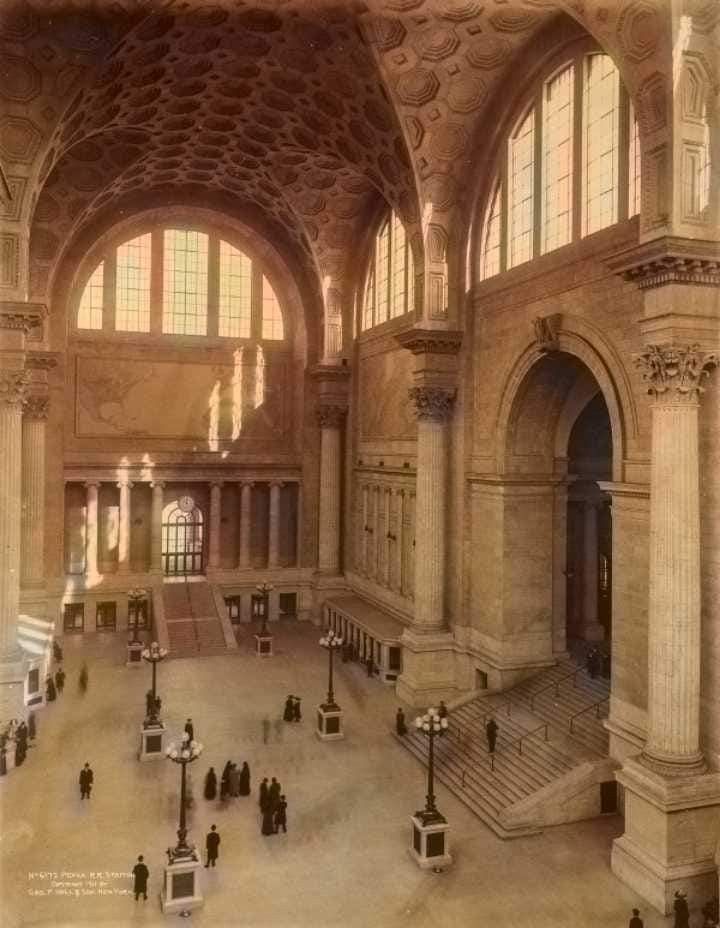
New York’s original Pennsylvania Station opened in 1910 on the two-block site between Seventh and Eighth Avenues and 31st to 33rd Streets, built for the Pennsylvania Railroad’s arrival into Manhattan. Designed by McKim, Mead & White in the Beaux-Arts style, it framed rail travel as a civic experience, combining engineering ambition with monumental public architecture. The Great Hall was one of the most powerful expressions of architecture ever built in America. Its expansive clerestory windows bathed travelers in sunlight, modeled after the Baths of Caracalla in Rome.


Parks
Prospect Park
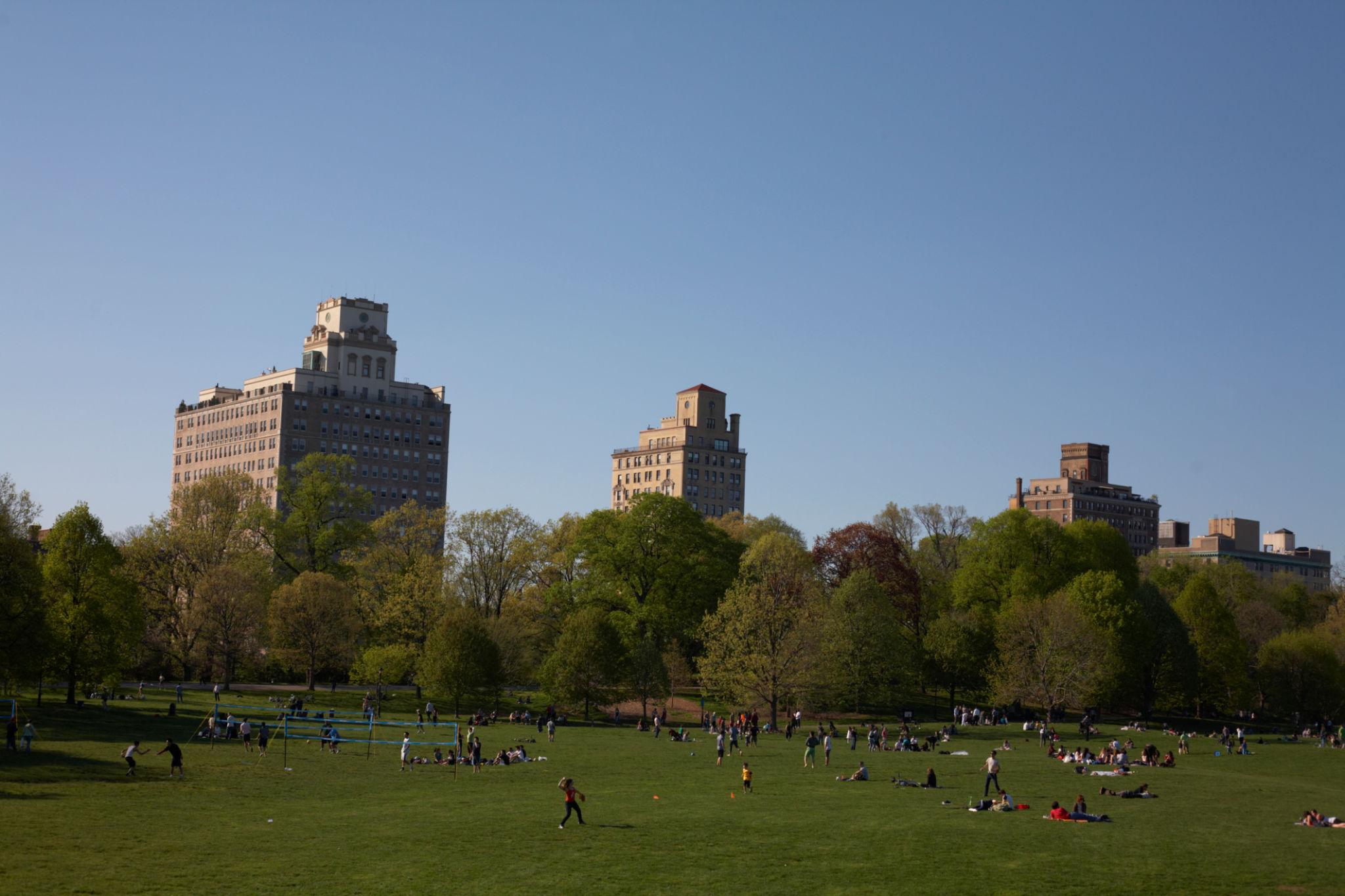
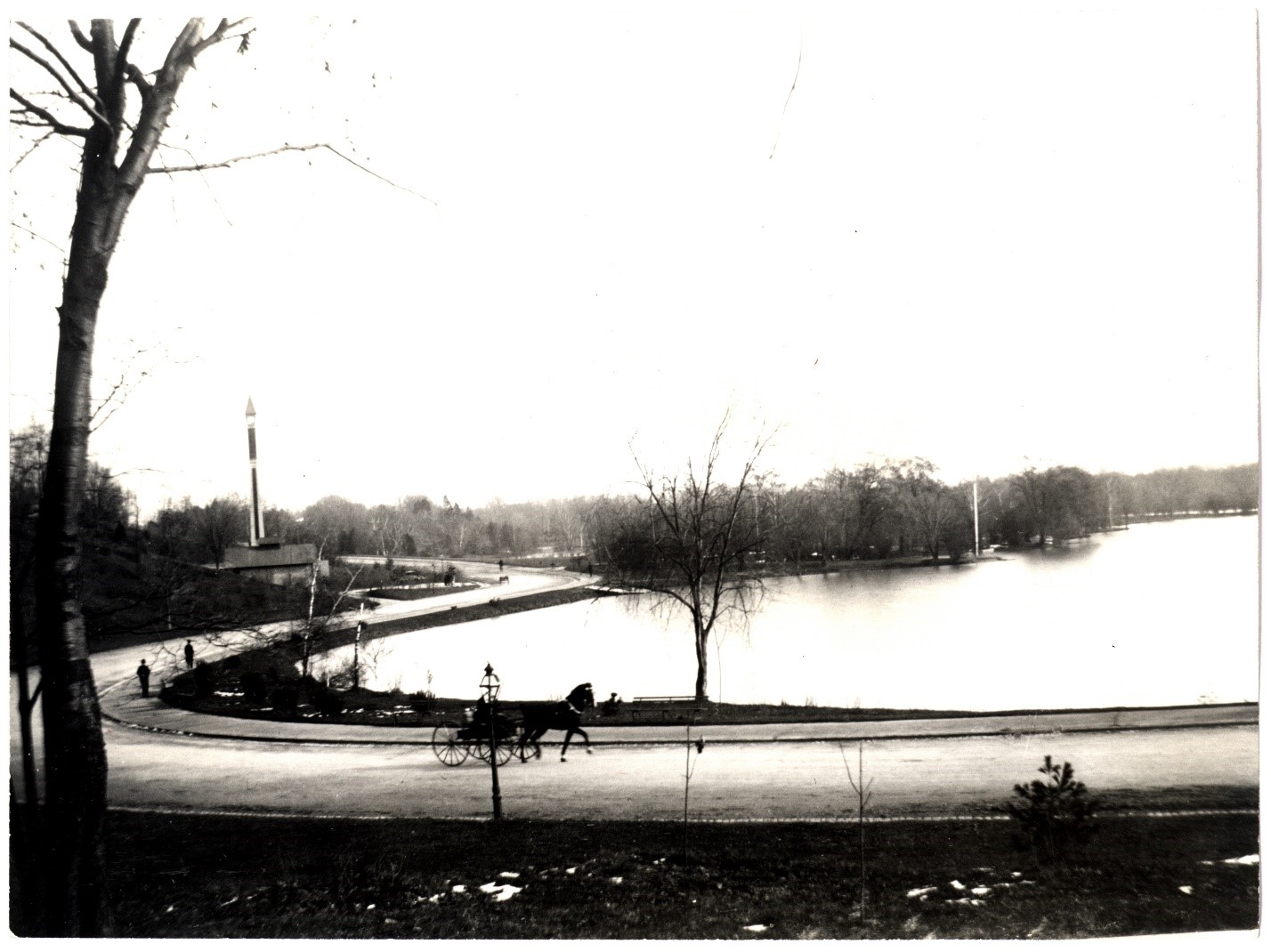
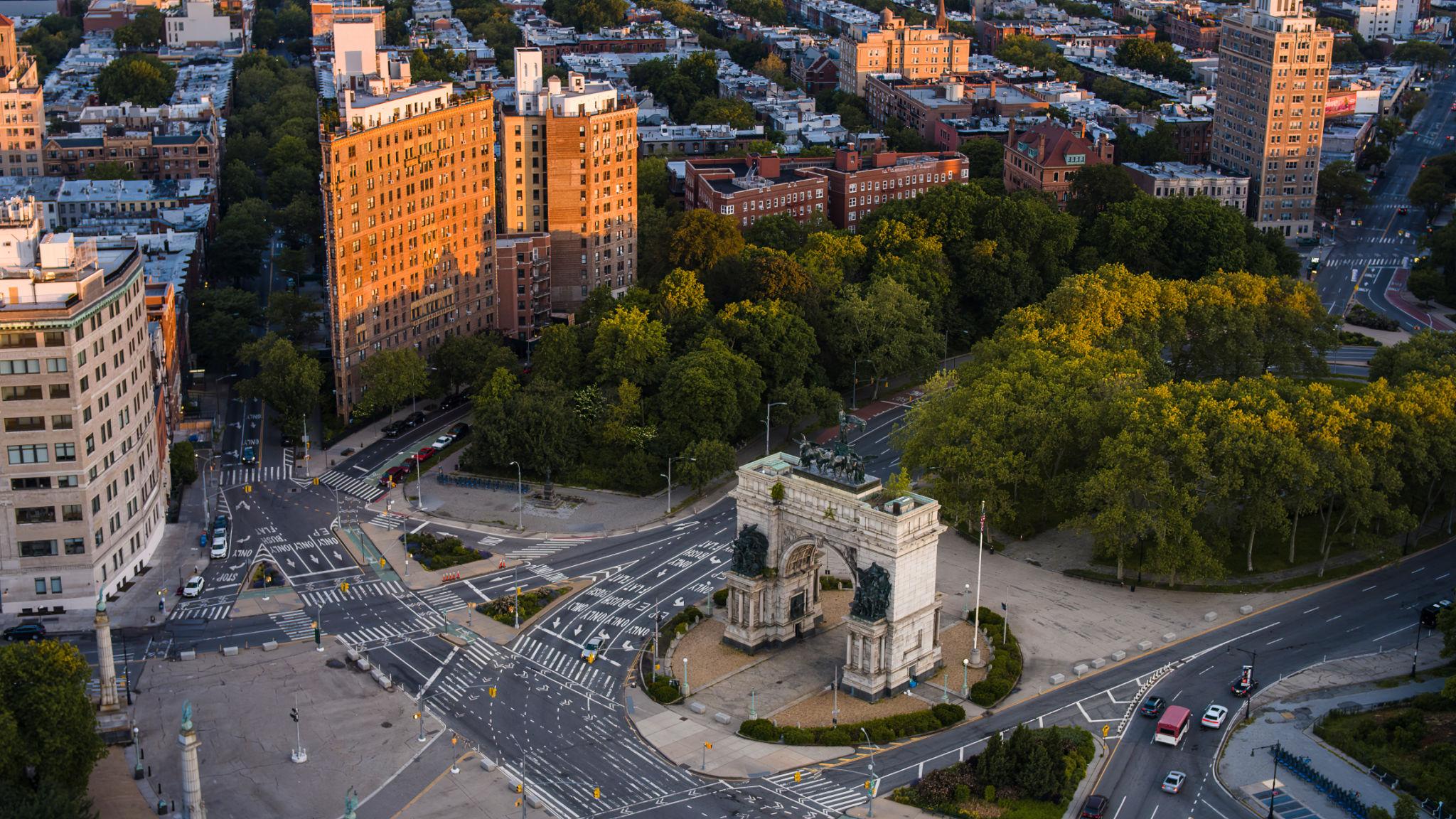
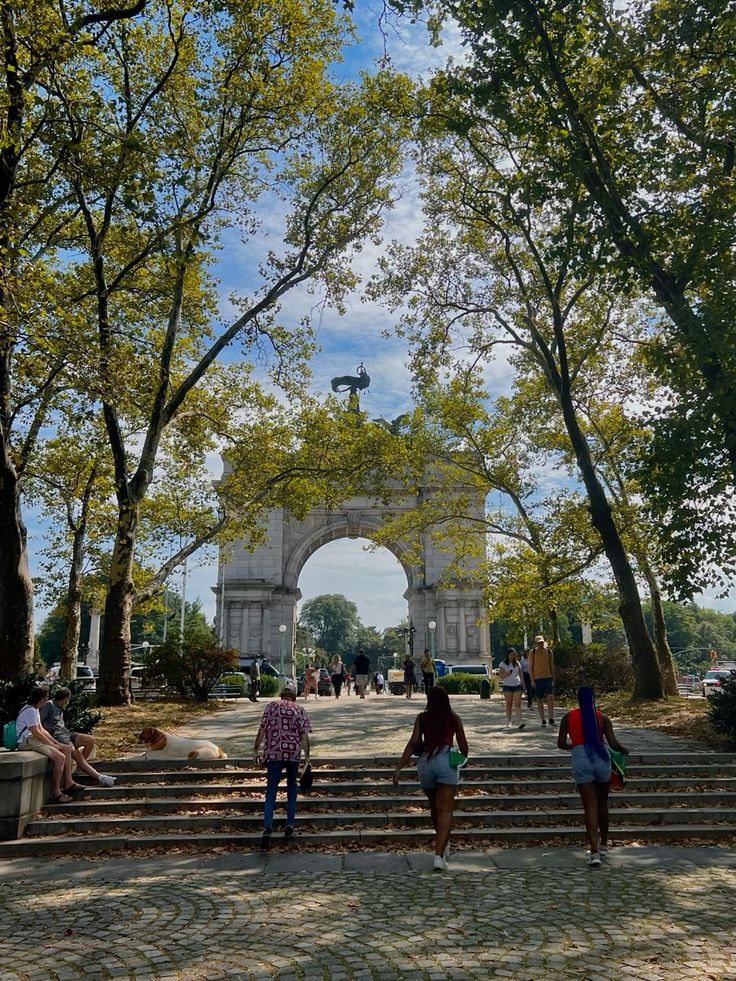
Prospect Park was conceived after Central Park, when Brooklyn leaders sought a major public landscape of their own, and Frederick Law Olmsted and Calvert Vaux were hired in 1866 to shape it. Rather than a formal garden, they designed a constructed pastoral landscape—meadows, ravine, lake, and winding paths—using park design as social infrastructure for a growing city. Anchored by the Soldiers and Sailors Arch, designed by John Duncan (Grants Tomb), Subsequent ornamentation above the arch was encouraged by Stanford White.

Clubs and Hotels
St. Regis New York
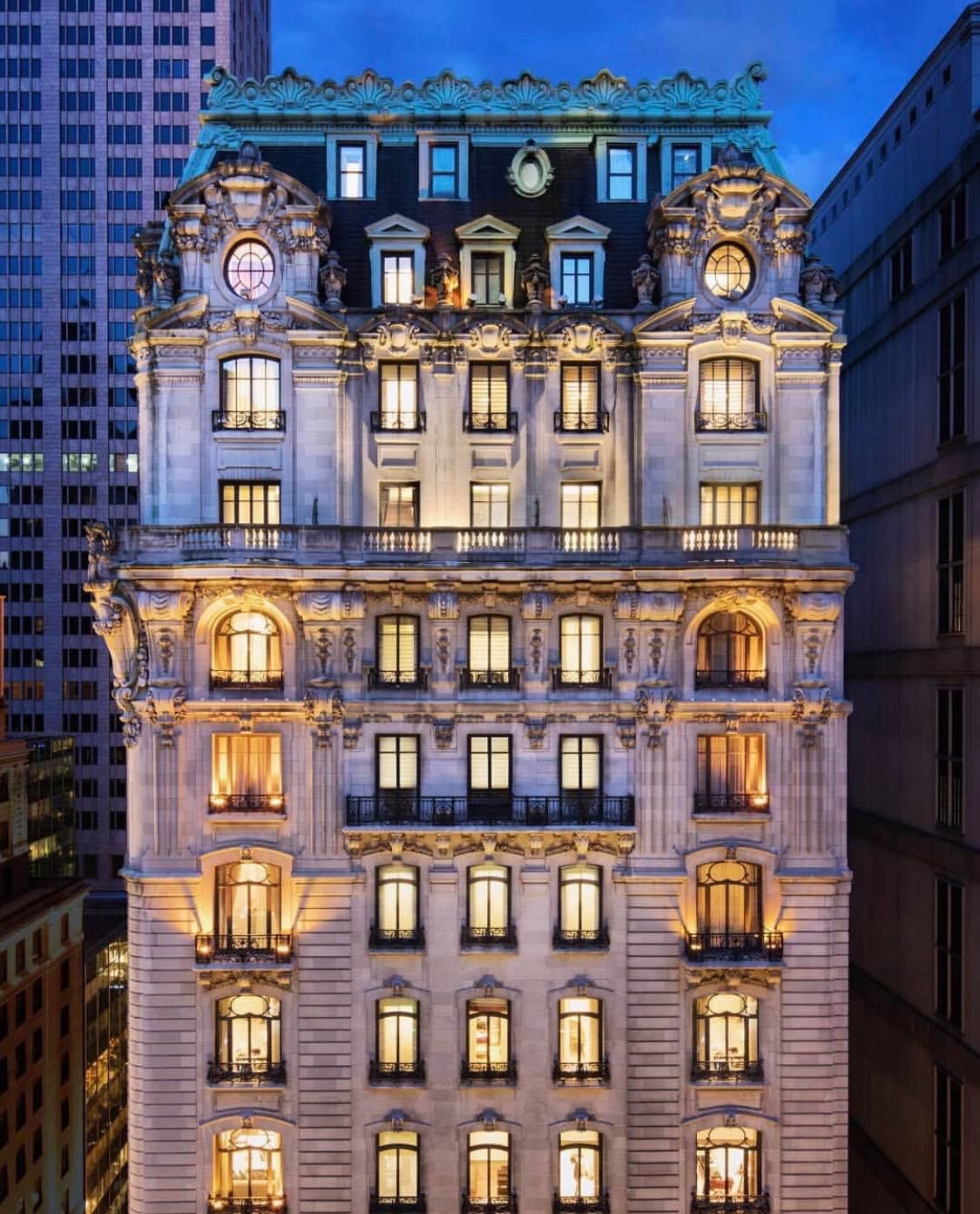
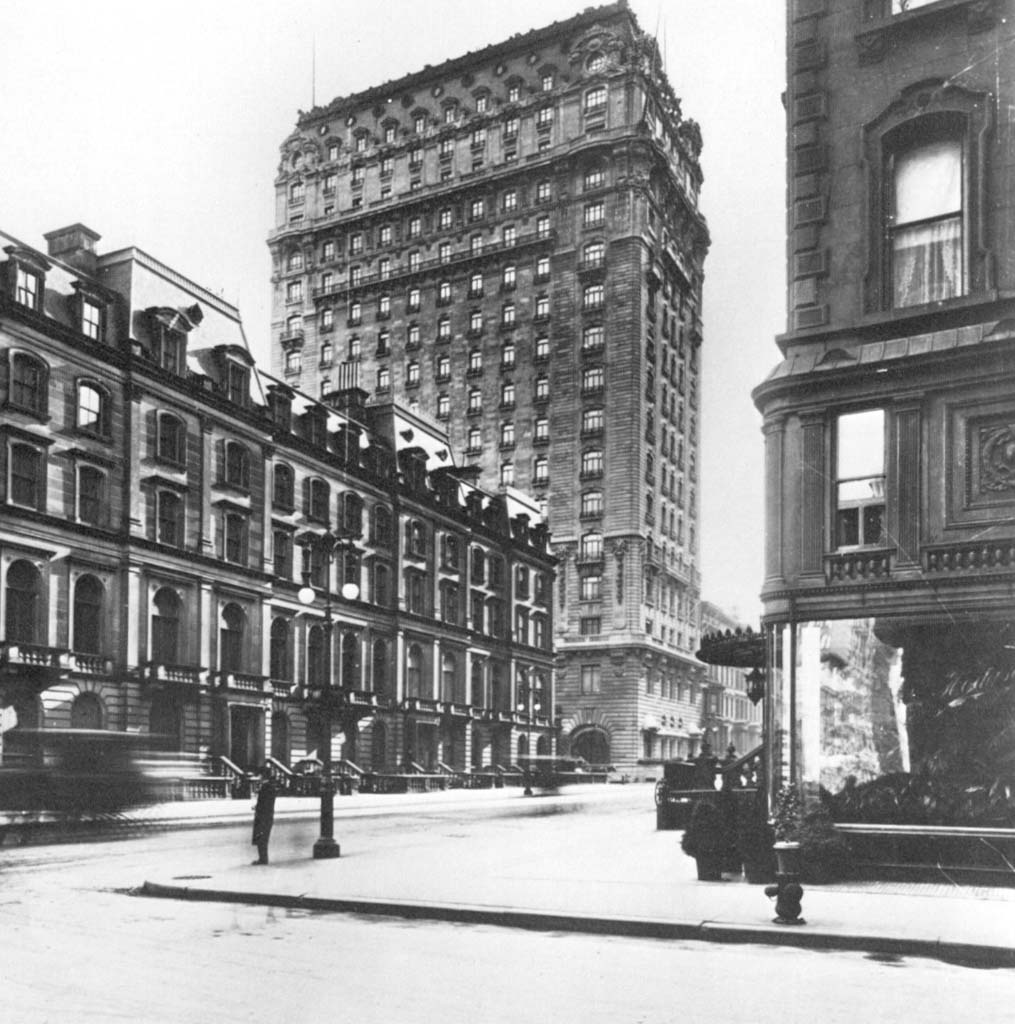
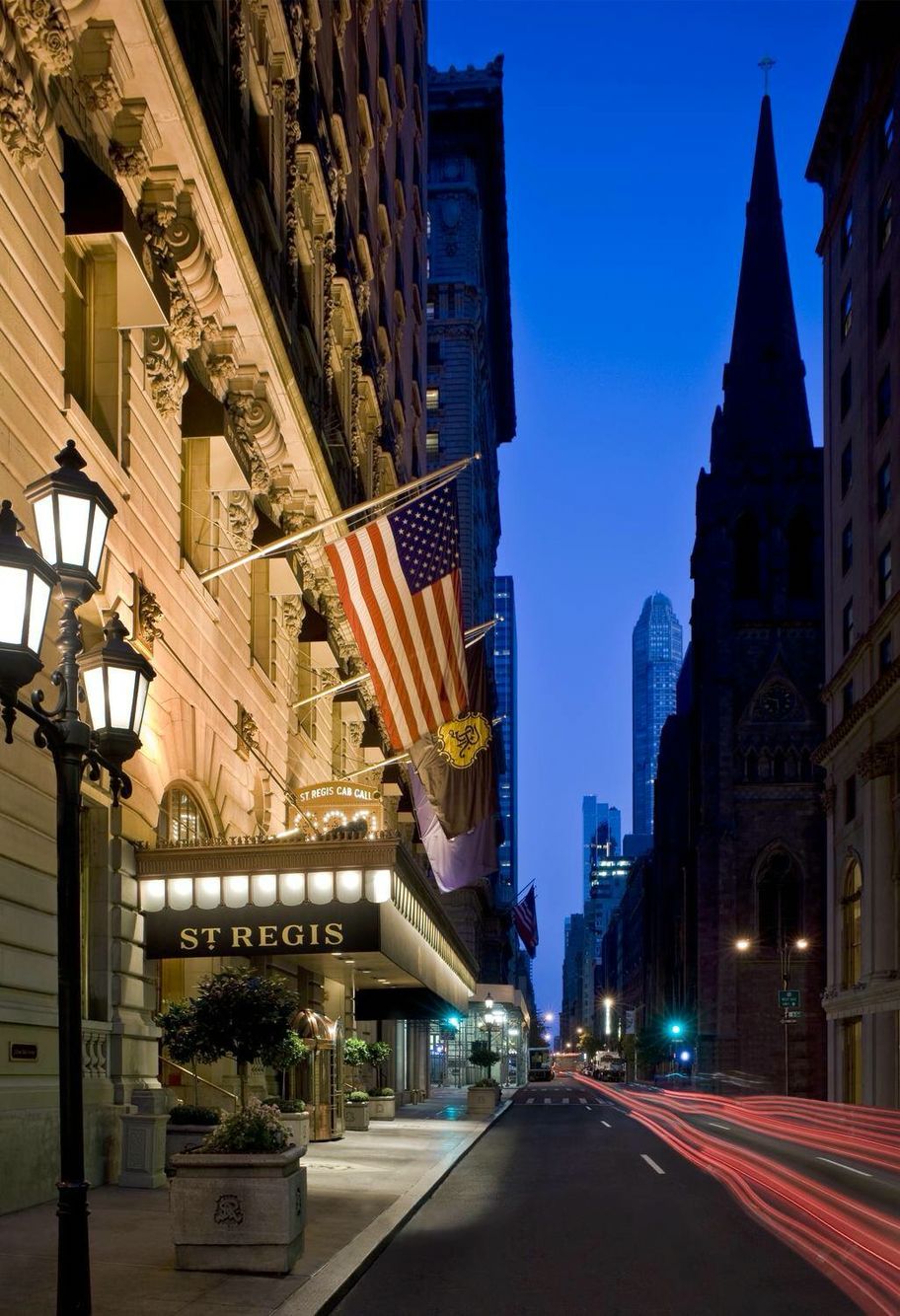
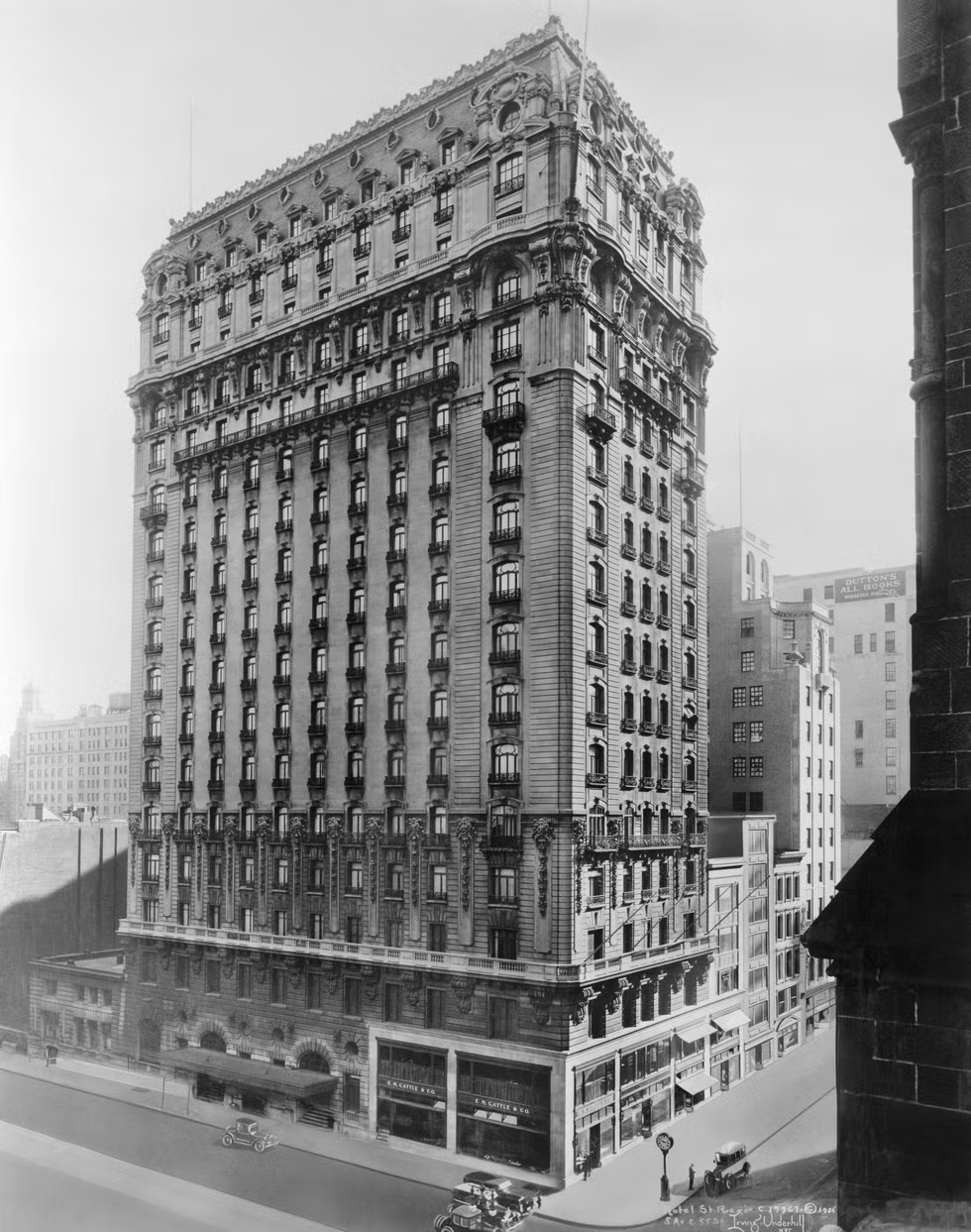
At the southeast corner of Fifth Avenue and East 55th Street, the St. Regis was commissioned by John Jacob Astor IV and completed in 1904 to designs by Trowbridge & Livingston. It was conceived as the most opulent hotel in the city, featuring a steel-frame structure clad in limestone, richly ornamented façades, and lavish interiors with marble, crystal chandeliers, and Louis XV–style detailing. Rising 19 stories, it was among the tallest hotels of its time and incorporated modern amenities such as central heating and a sophisticated ventilation system. The St. Regis quickly became synonymous with elite social life, hosting prominent guests, formal dinners, and high-society events. It remains one of New York’s most famous grand hotels and a symbol of Gilded Age elegance and hospitality
Museums and Culture
The Metropolitan Museum of Art
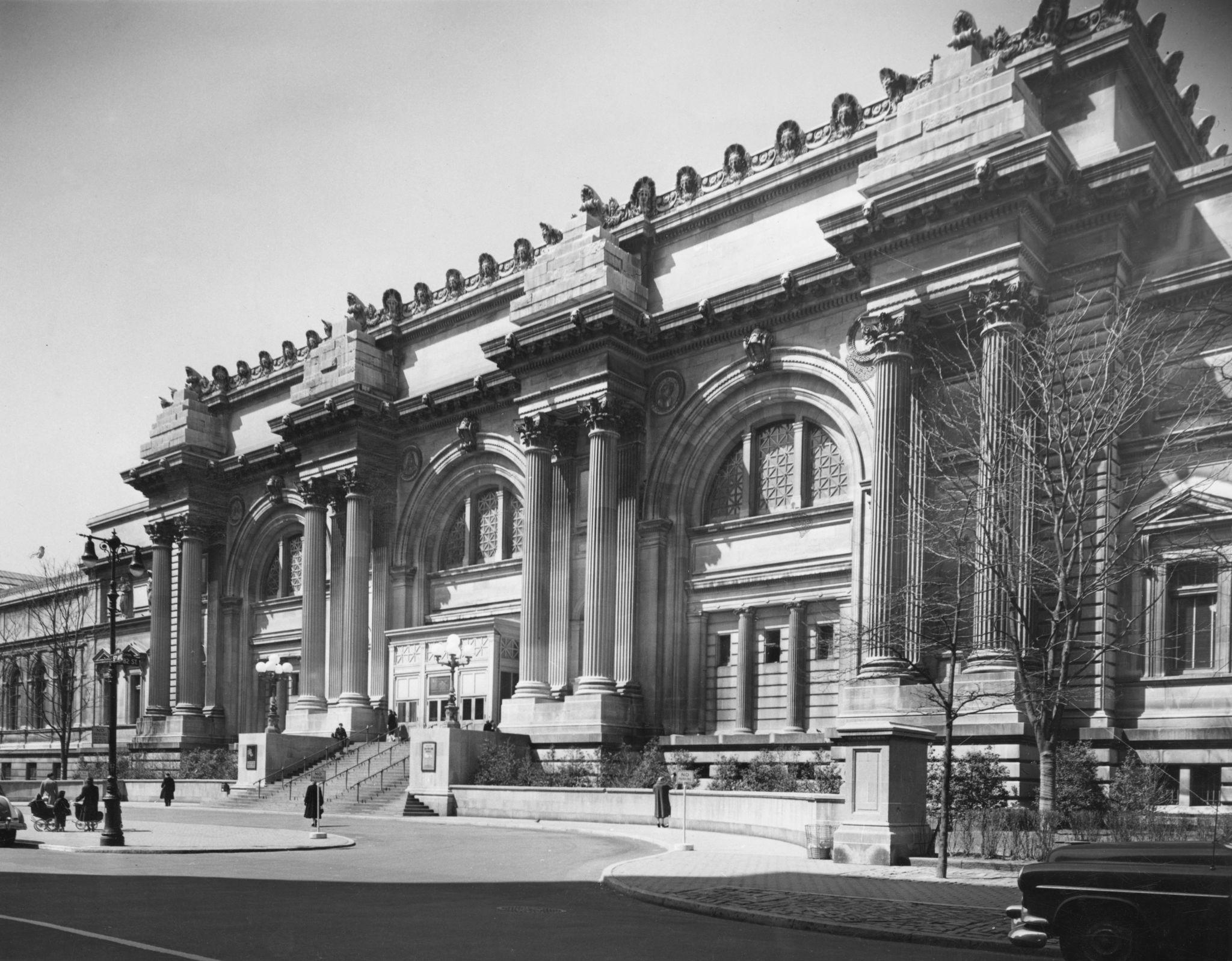
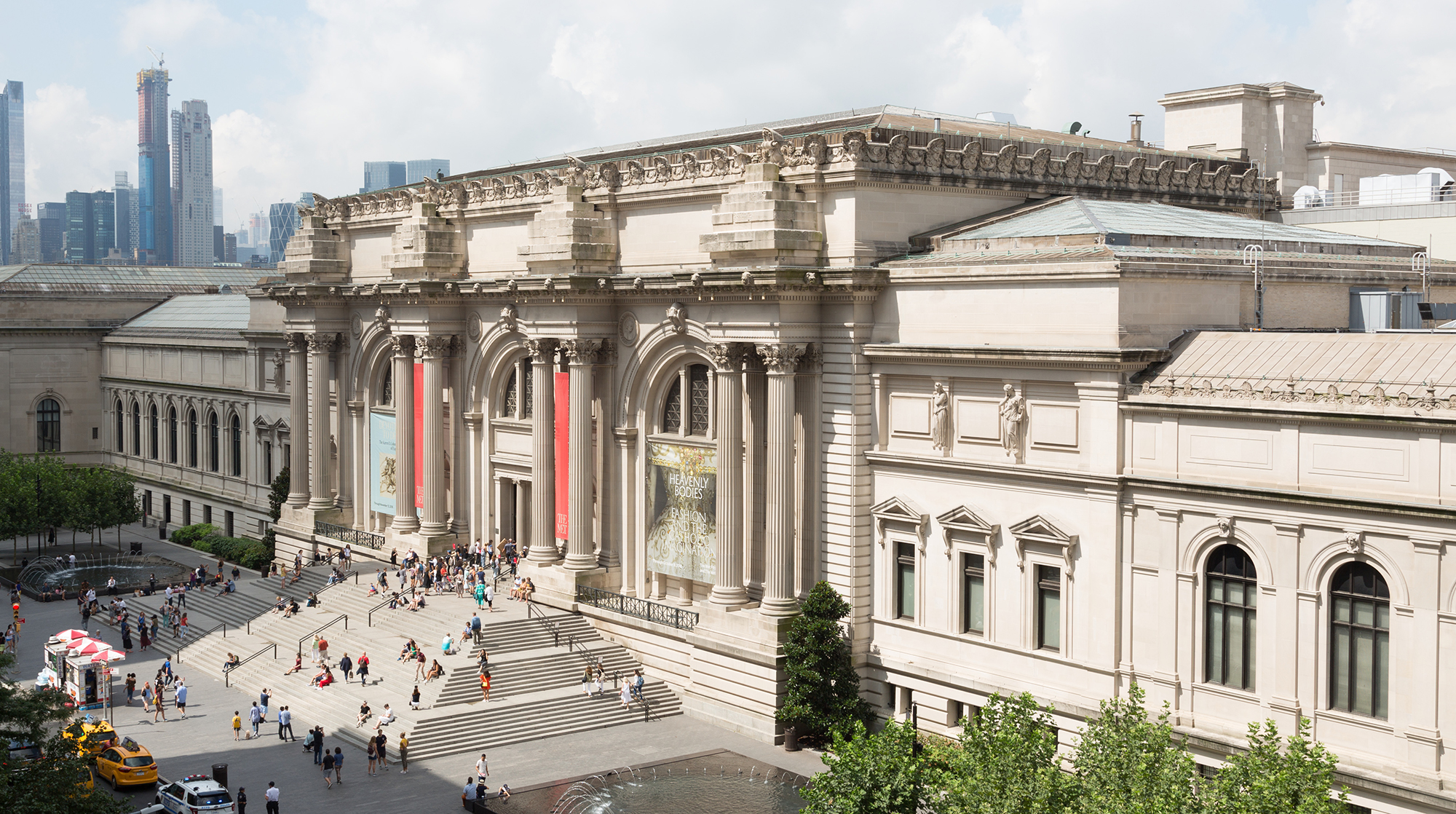
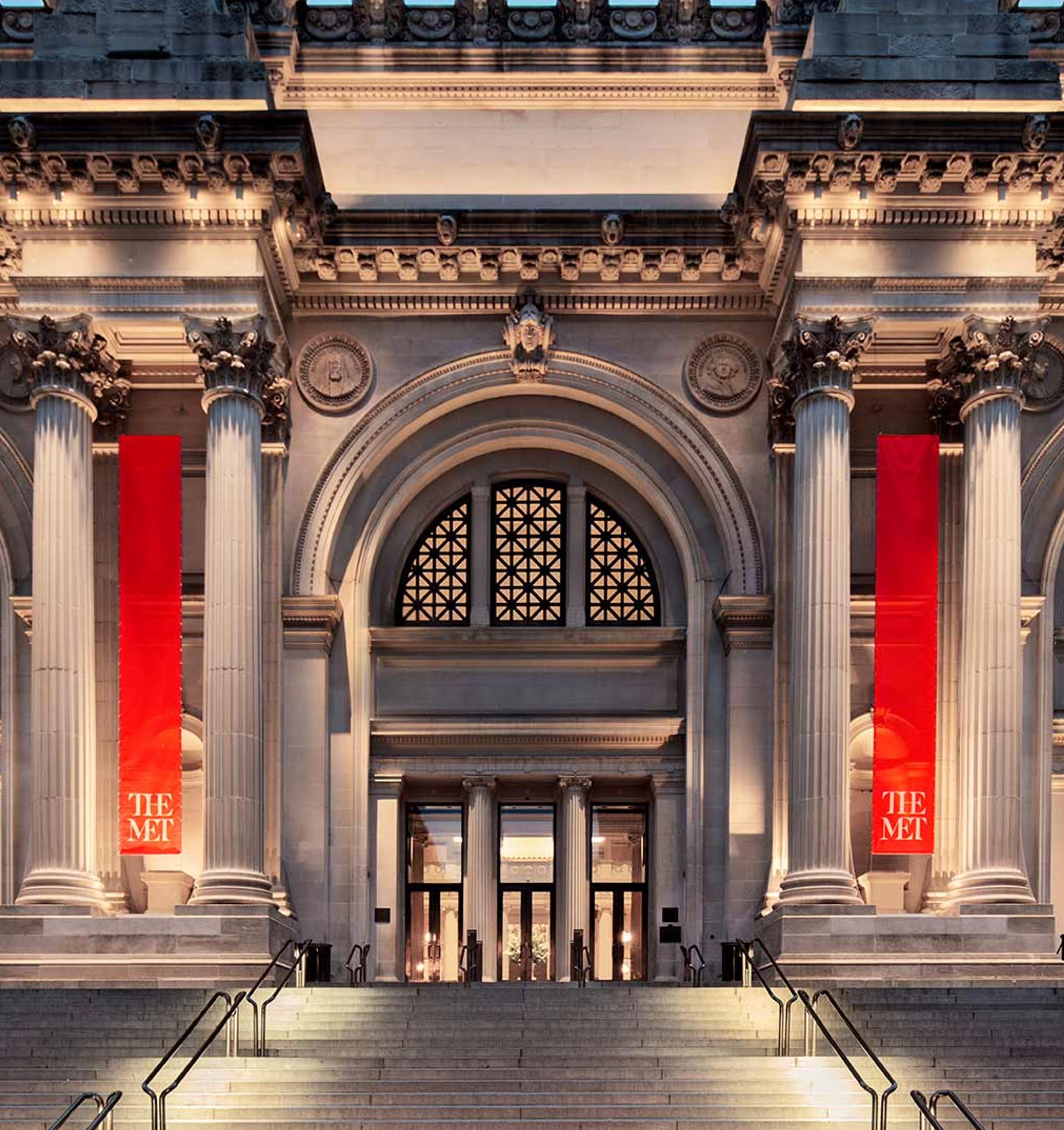
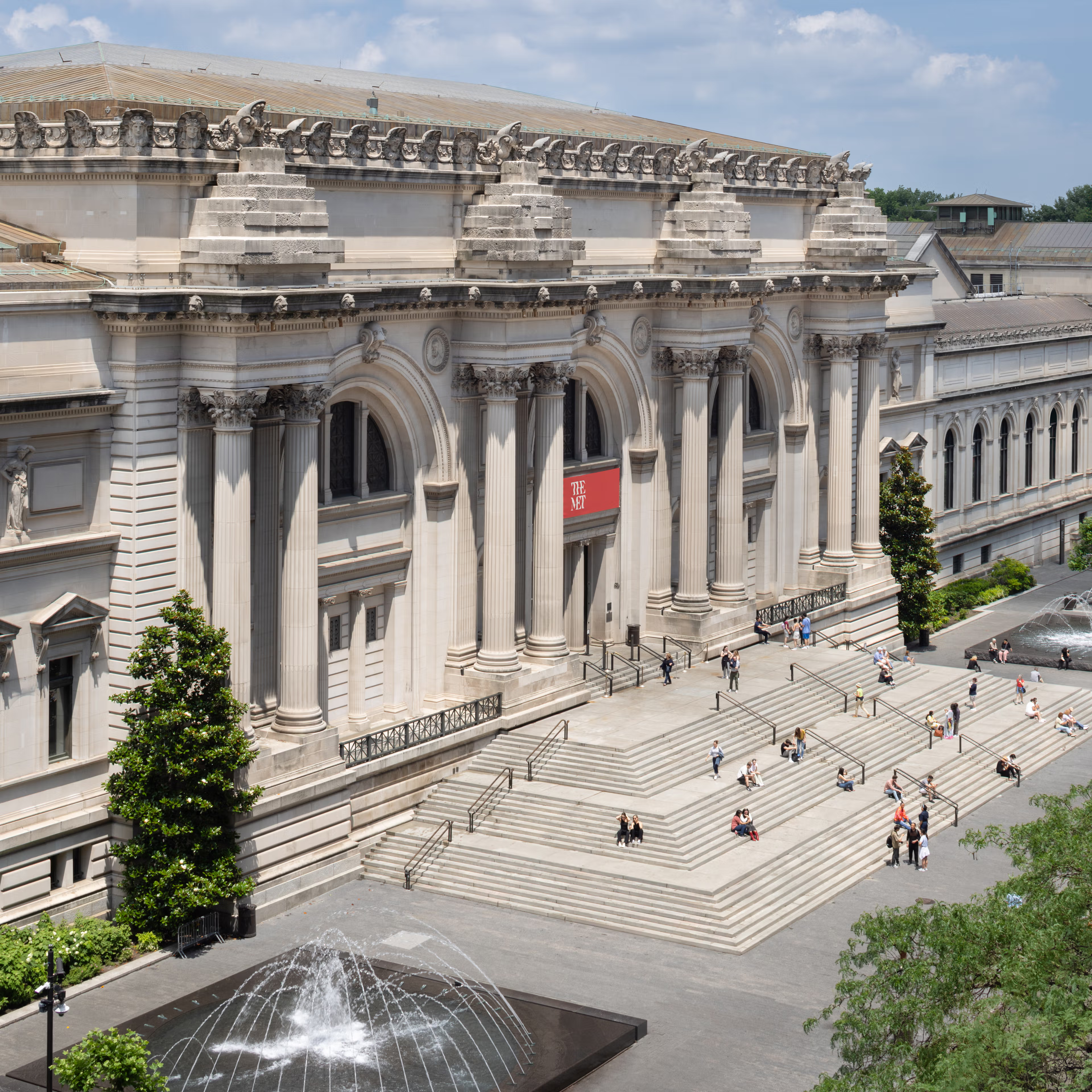
Founded in 1870, the Met grew into a building almost as layered as its collection. The first section opened in 1880, and the Fifth Avenue complex evolved through multiple major designers: Calvert Vaux (Central Park) and Jacob Wrey Mould (Bethesda Terrace & The Belvedere Castle) on the early structure, Richard Morris Hunt on the monumental Beaux-Arts frontage and Great Hall, and McKim, Mead & White on the facade wings that completed the museum’s grand civic face. The result is less a single building than a long architectural timeline in stone, featuring some of the most influential names of the Beaux-Arts era.
Clubs and Hotels
The Plaza Hotel
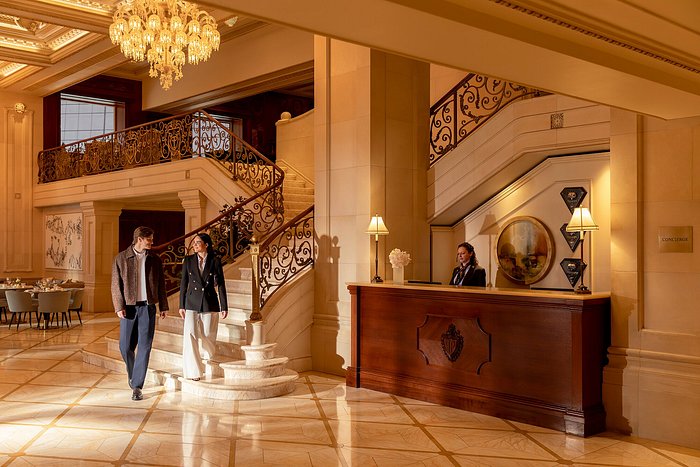
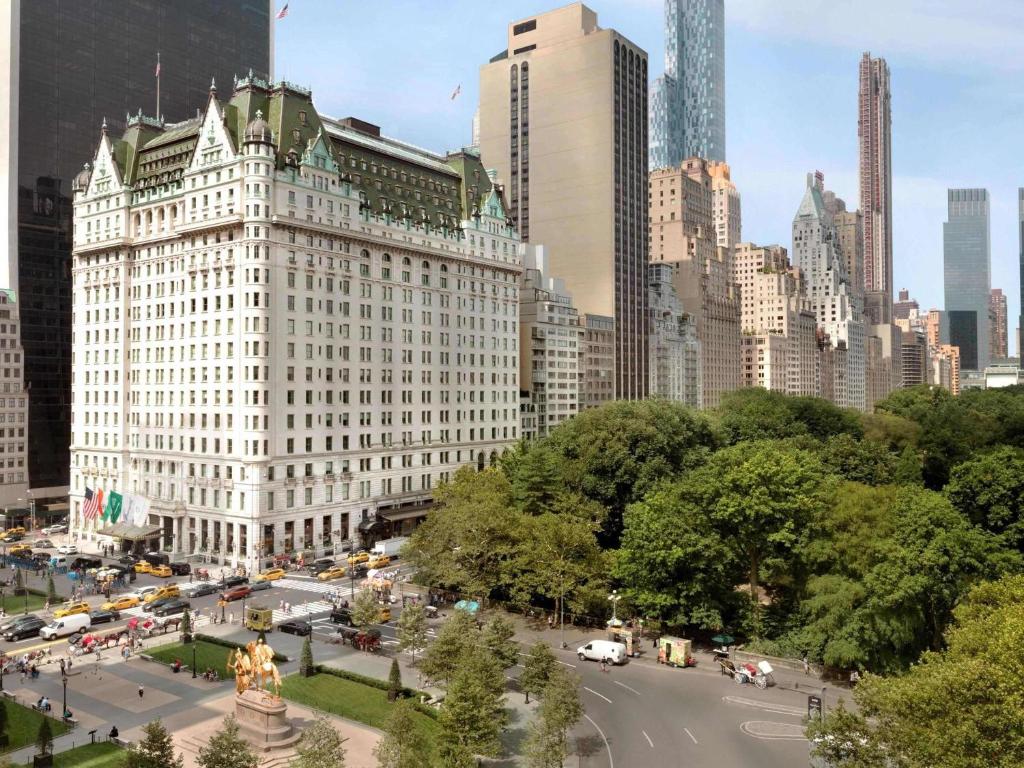
Facing Grand Army Plaza at the edge of Central Park, The Plaza opened in 1907 as a new flagship for luxury hospitality in Midtown. Henry Janeway Hardenbergh (also known for The Dakota and The Waldorf and The Astoria Hotels) designed the iconic grand Beaux-Arts hotel anchoring Fifth Avenue at Central Park South. Its white marble façade, mansard roofs, and ornate detailing evoke French Renaissance châteaux, helped it emerge as one of the city’s most luxurious early high-rise hotels. Inside, opulent public spaces such as the Palm Court and Grand Ballroom became centers of New York social life, hosting debutante balls, political gatherings, and lavish banquets. Throughout the 20th century, the Plaza gained fame as both a residence for the wealthy and a cultural icon, appearing in films, literature, and high-profile events. It remains one of the most recognizable symbols of Manhattan elegance and hospitality.



Clubs and Hotels
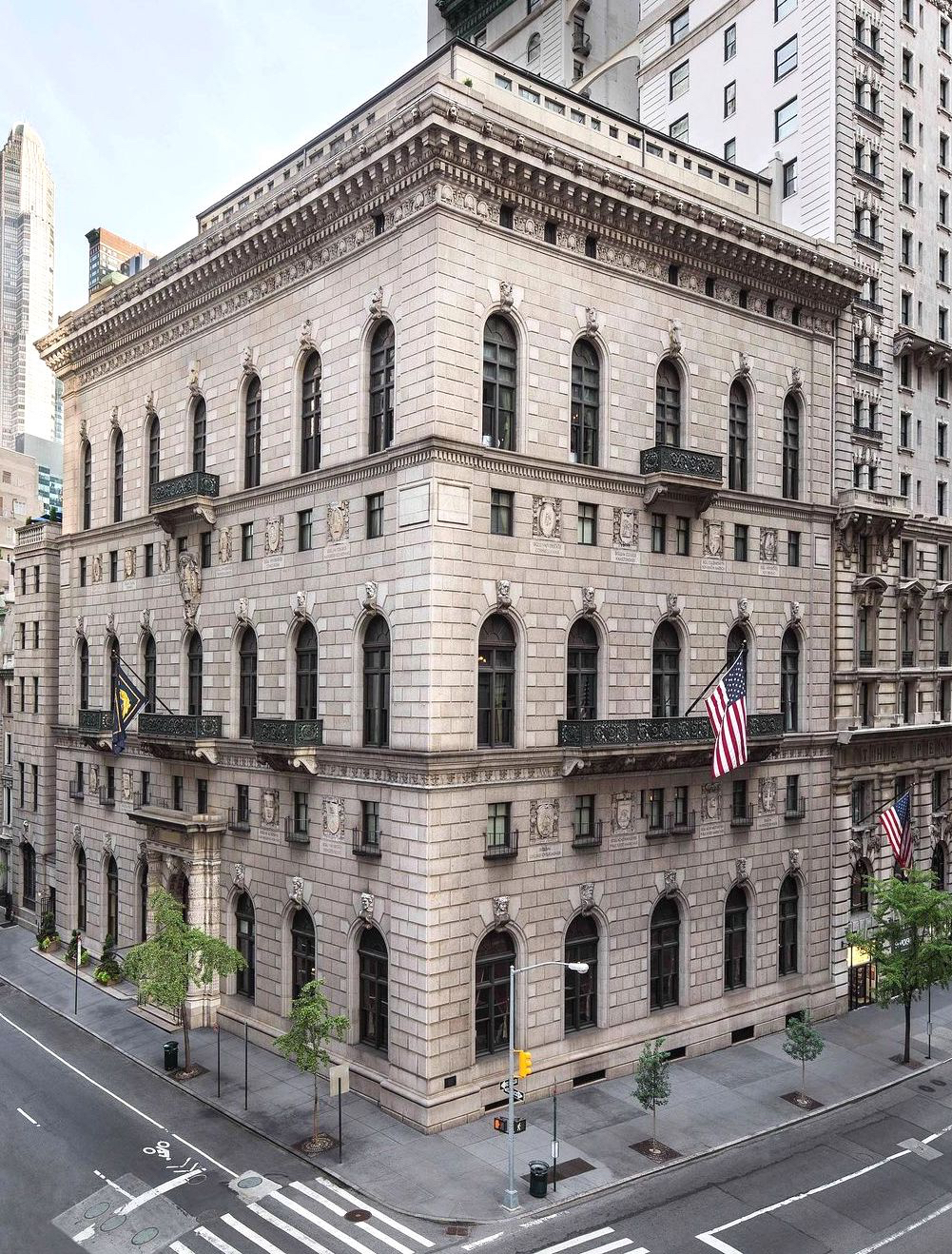
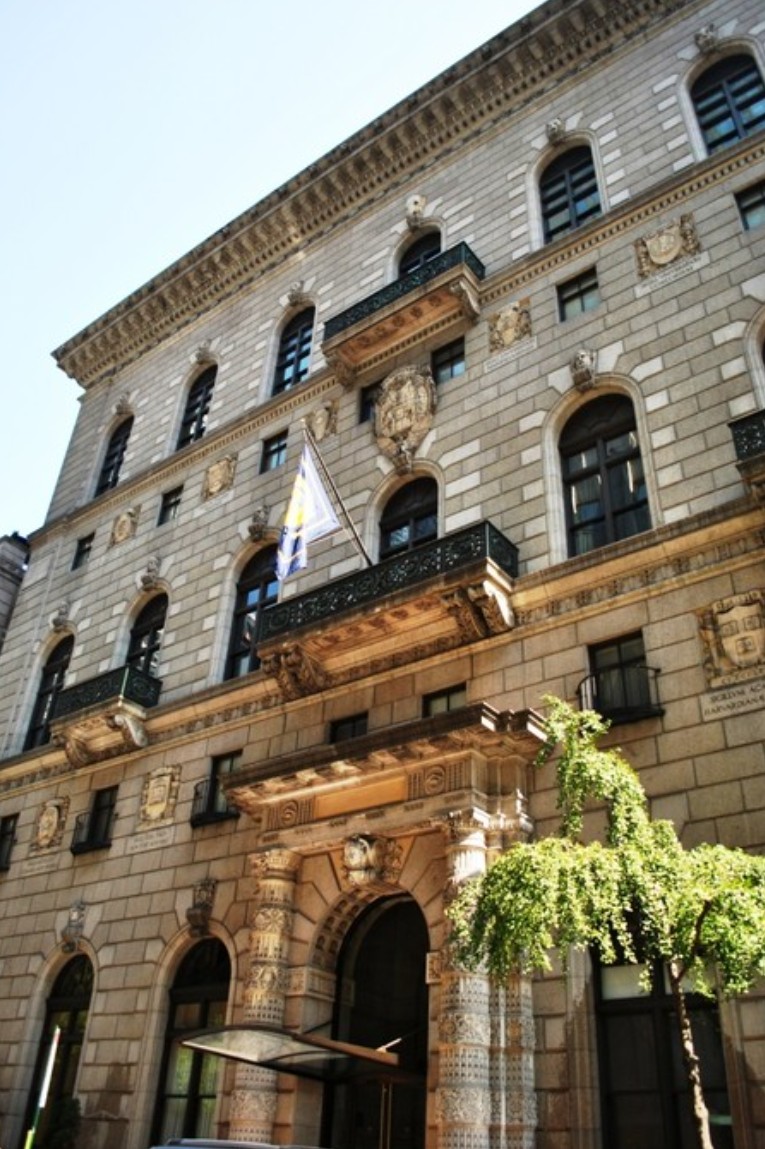
University Club of New York
1 W 54th Street
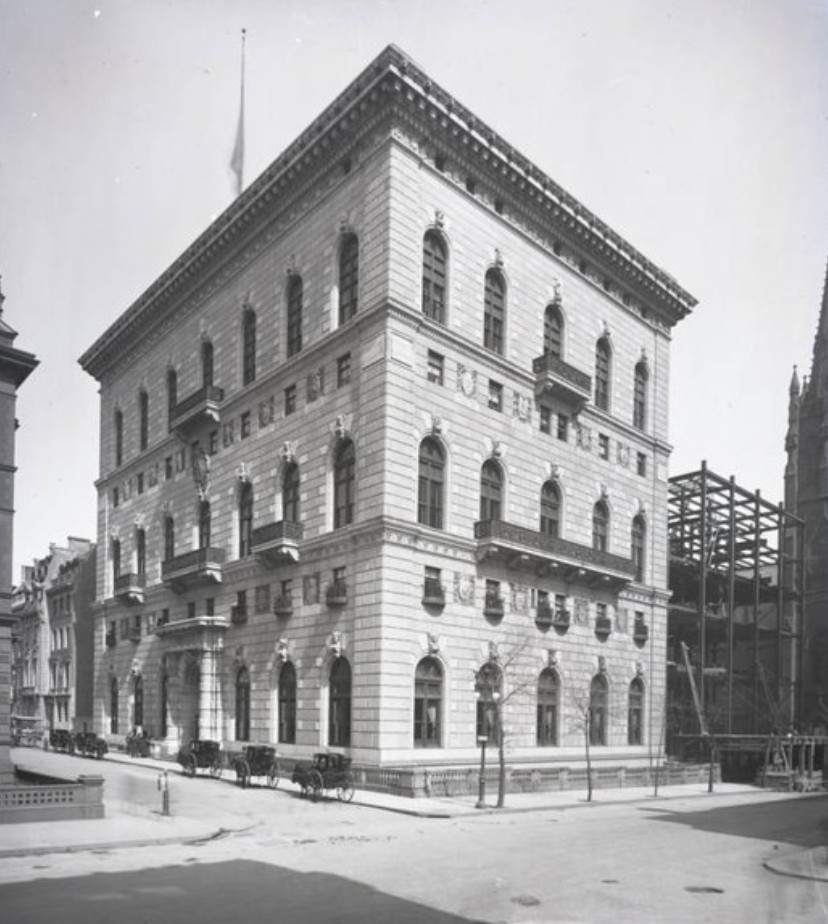
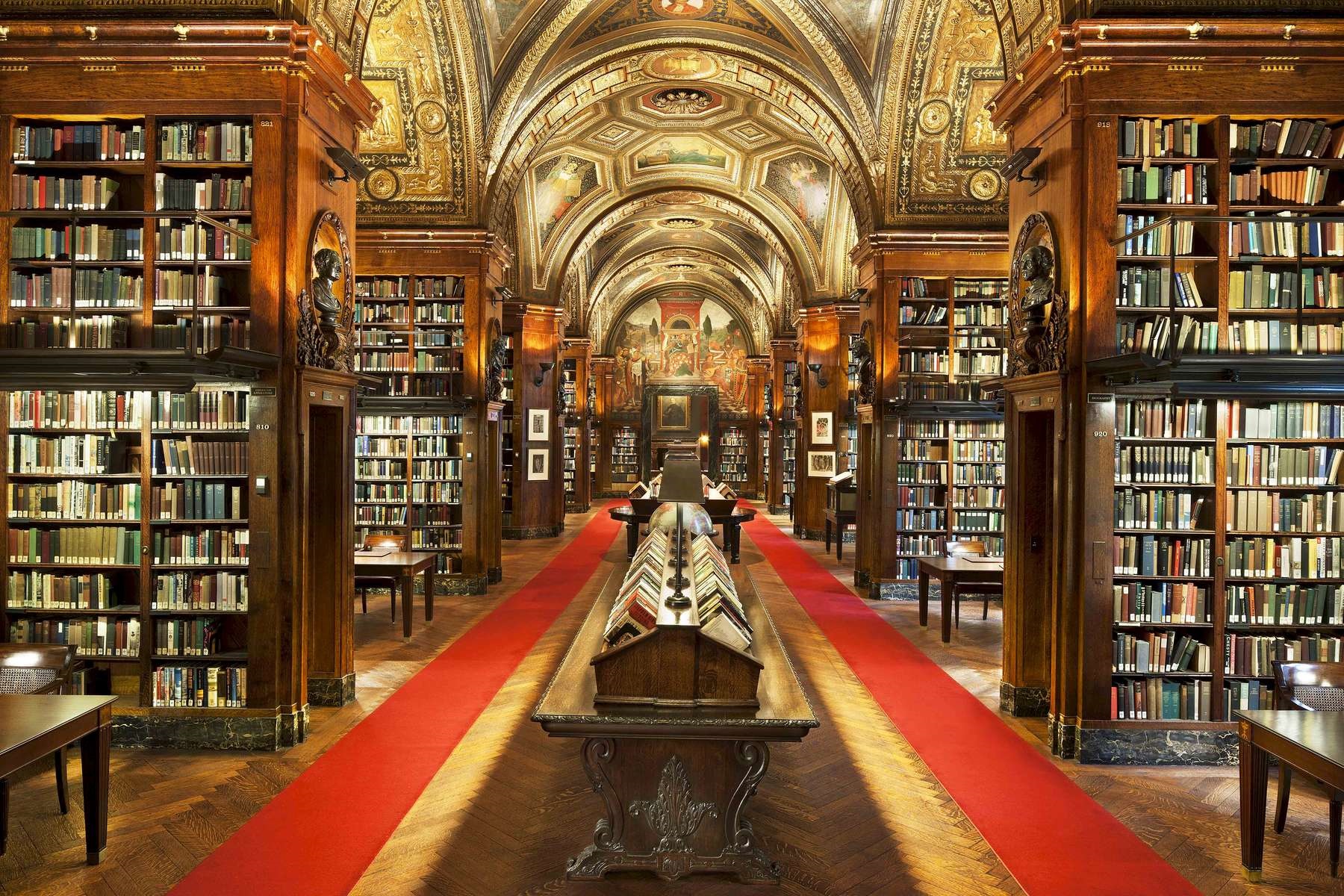
Though established in 1865, the University Club aimed to build a new site, settling on the corner of 54th and Fifth Avenue. Commissioning club member Charles McKim as its designer in 1896, the club built a site in the Italian Renaissance style. McKim wanted the Club to feel timeless, scholarly, and institutional.
Buildings and Monuments
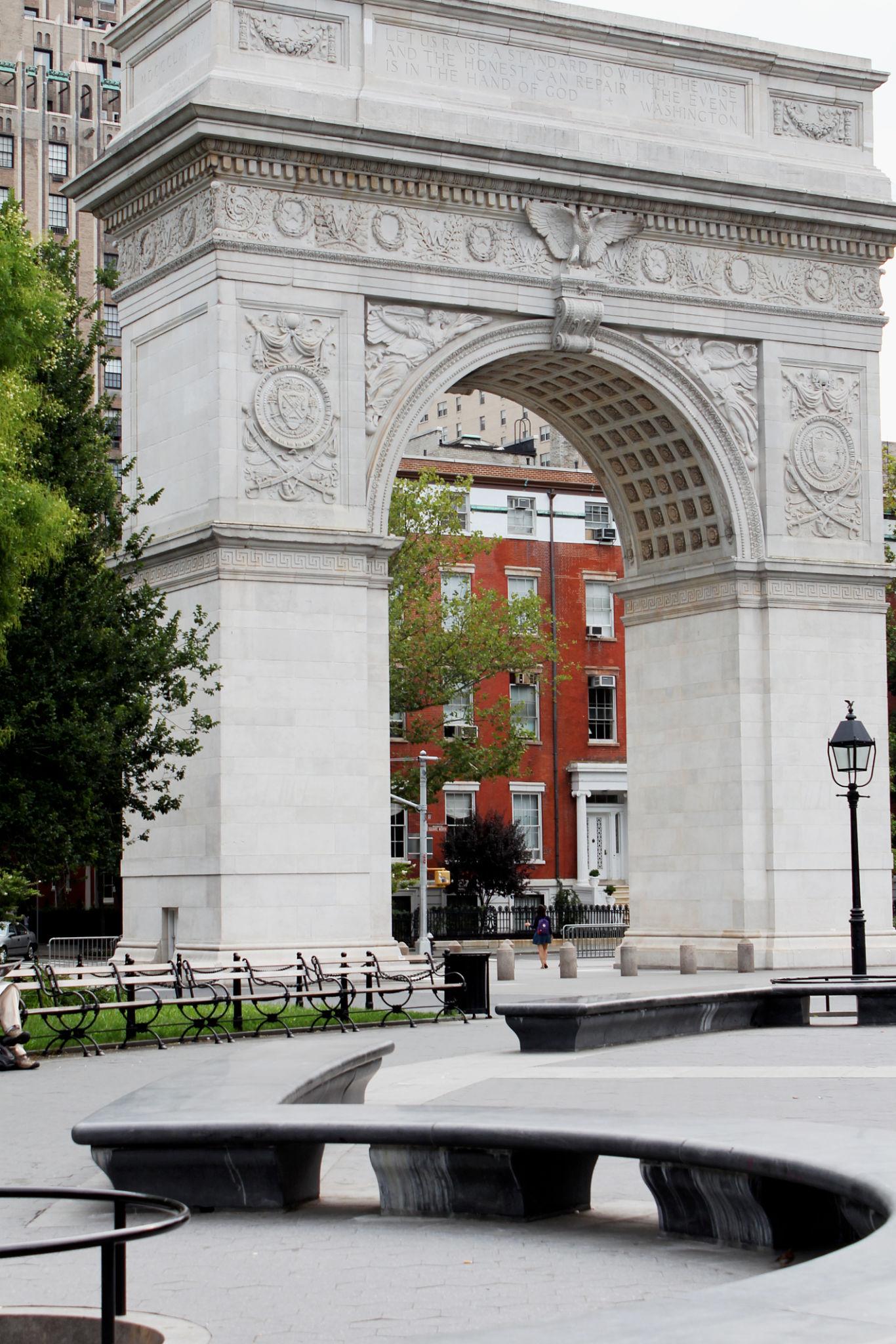
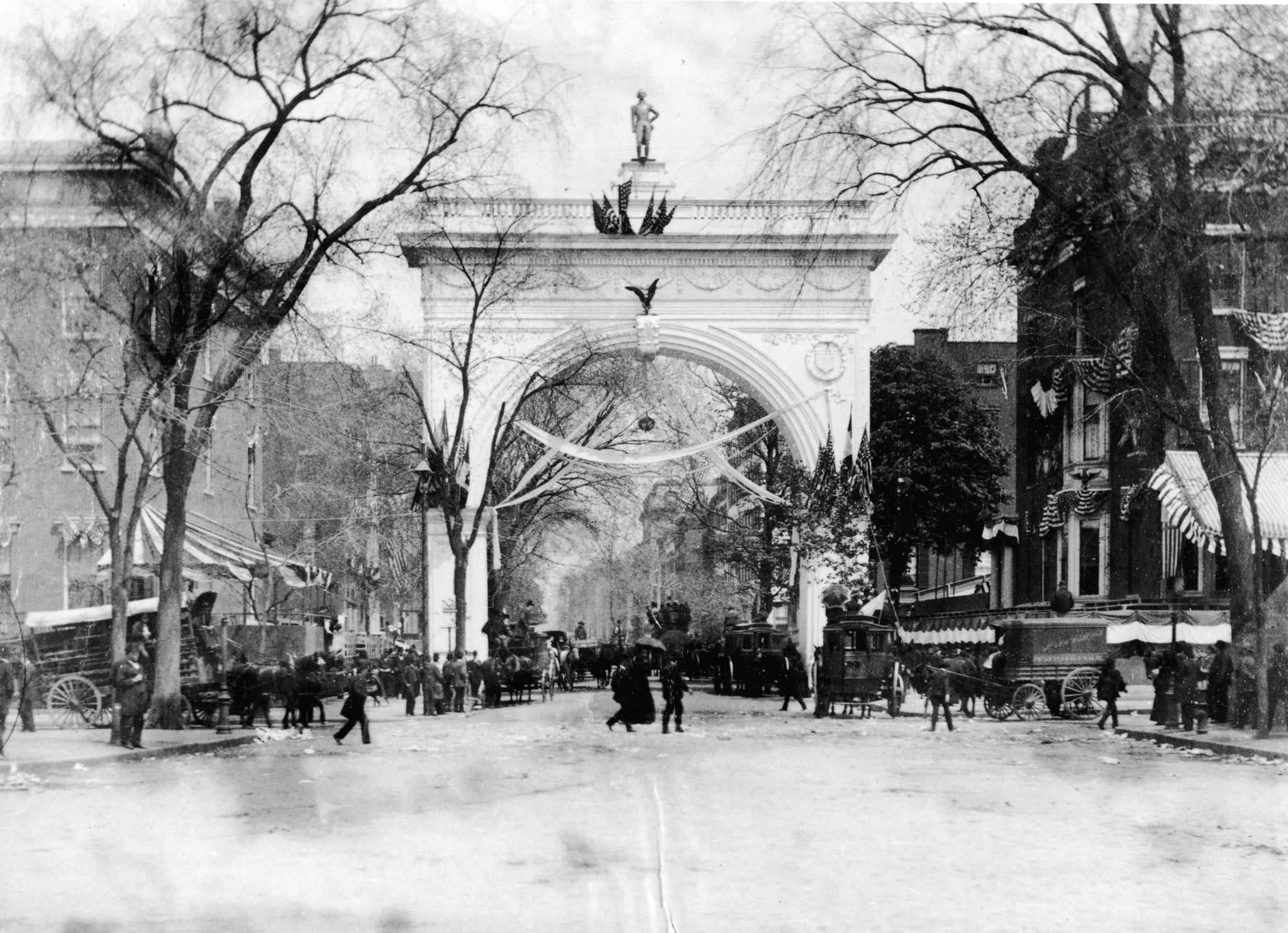
Washington Square Arch
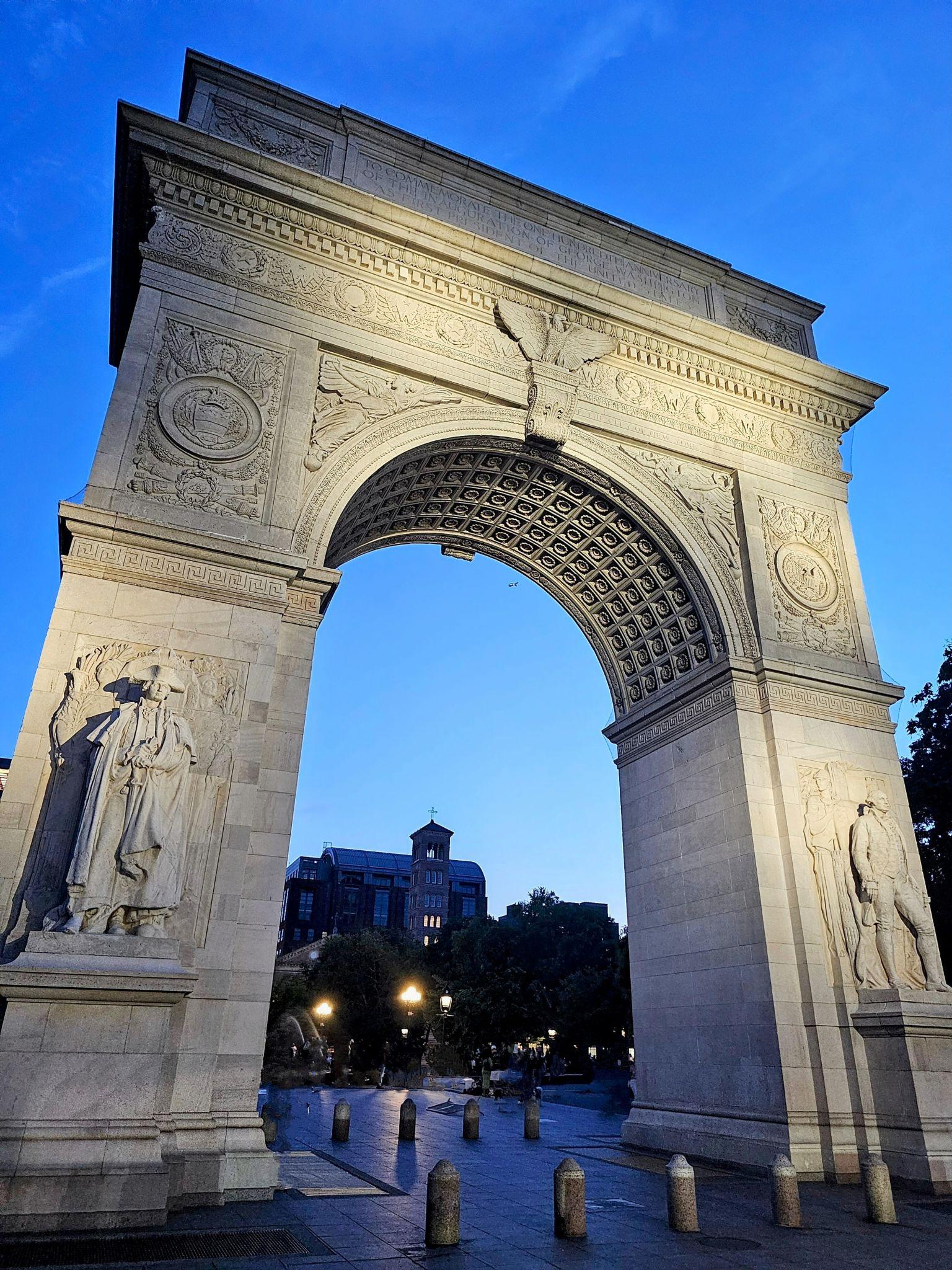
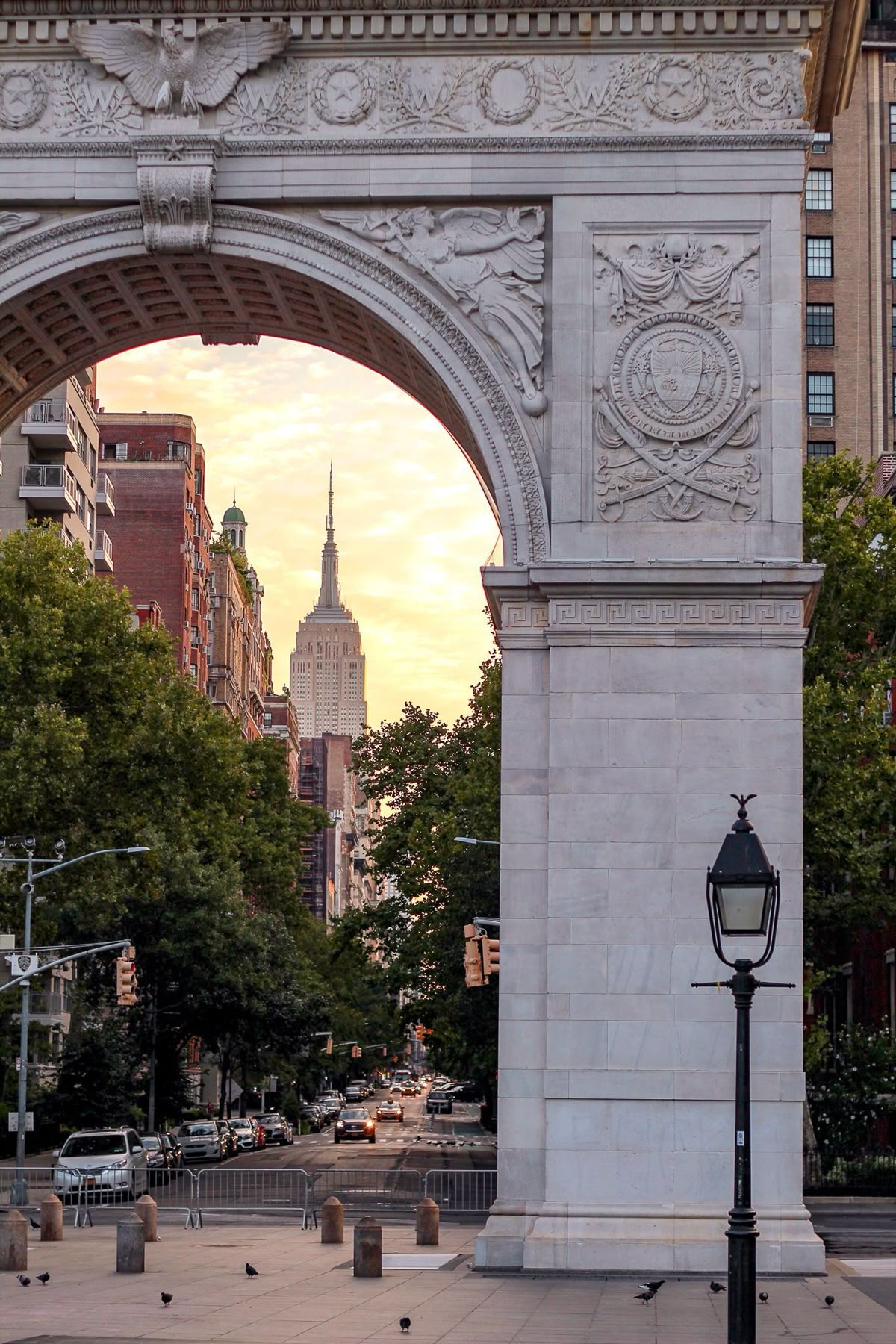
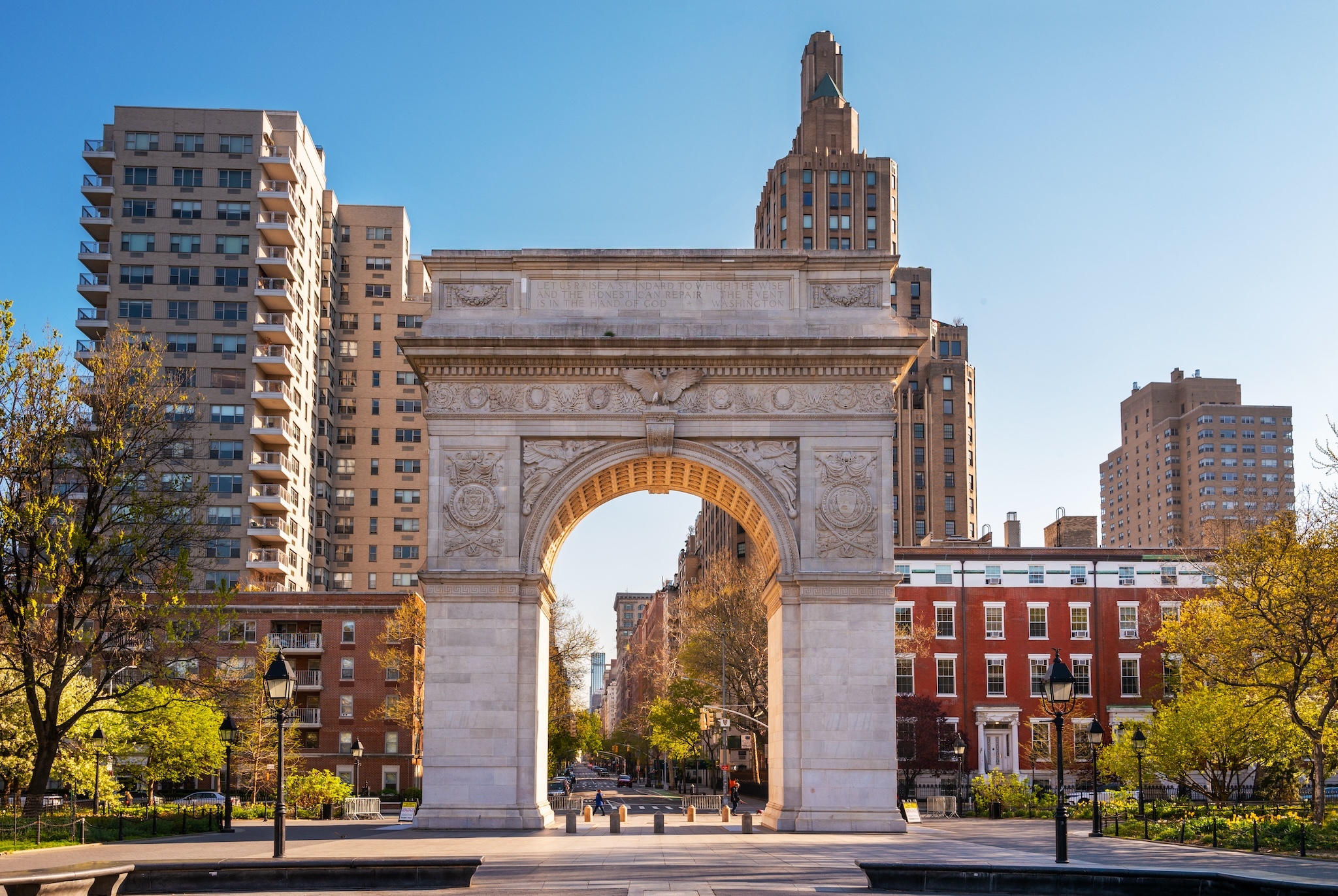
The Washington Square Arch began as a temporary wood-and-plaster structure for the 1889 centennial celebrations of George Washington’s inauguration, then became permanent after public adoration and enthusiasm. Stanford White’s marble arch, dedicated in 1895 at the south end of Fifth Avenue, gave Greenwich Village a ceremonial urban threshold and a monument tied directly to civic memory. Evocative of the Arc of Titus in Rome, and similar in tribute to other triumphal arches in Paris and Rome, it has remained New York’s iconic tribute to the foremost of the American founding fathers.
Your
Landmark
Headquarters

